
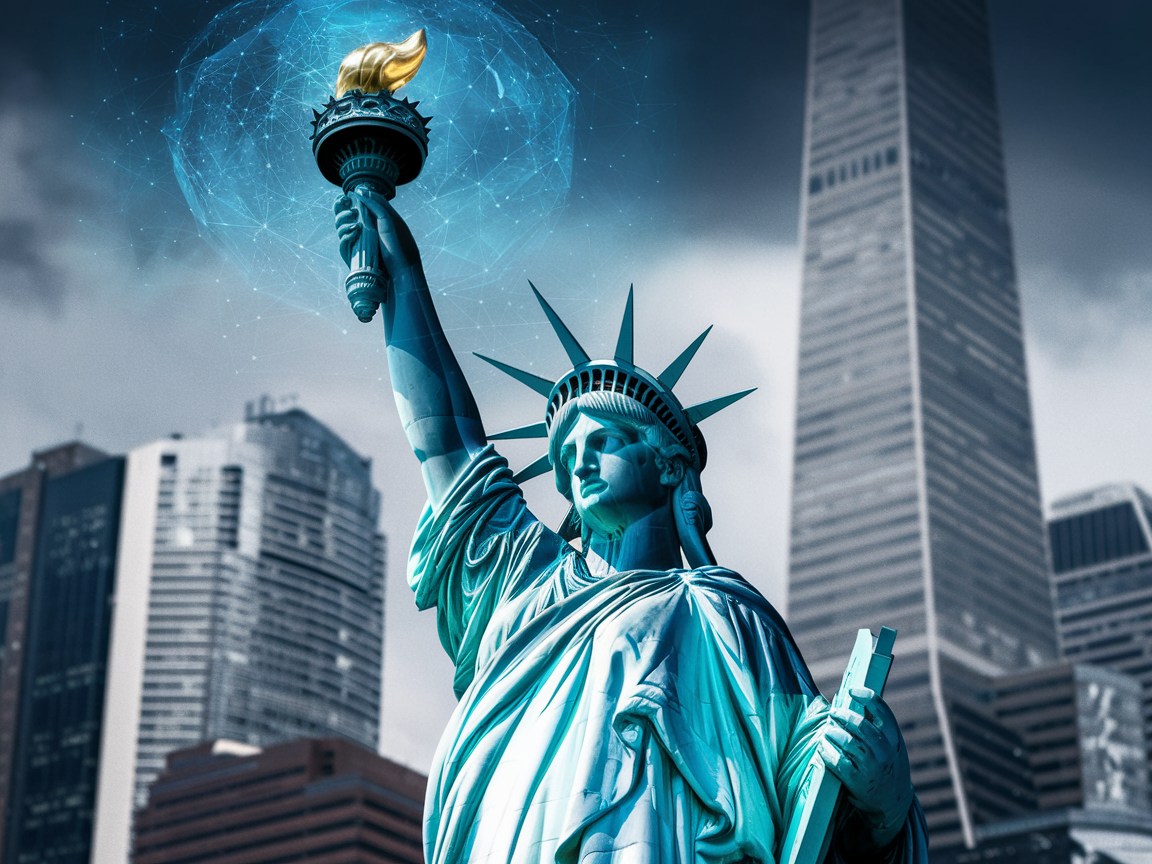
Introduction: US Economy Boosted by AI
The US economy boosted by AI, has become one of the hottest topics in 2025. From Wall Street boardrooms to everyday small businesses, artificial intelligence is reshaping the way Americans work, invest, and consume. Yet, while AI is fueling optimism, deeper economic challenges are brewing beneath the surface.
Eight months after Donald Trump’s return to the White House, the American economy is showing a mixed picture: slower GDP growth, rising inequality, and uncertainty in the labor market. At the same time, AI has emerged as both a savior and a risk factor — an innovation boom masking the cracks in traditional economic performance.
In this deep dive, we’ll uncover 7 shocking truths about how AI is reshaping the U.S. economy, including the opportunities, risks, and what it means for ordinary Americans.
1. AI Is the New Growth Engine — but at What Cost?
The U.S. economy, which grew at 2.8% in 2024, slowed down sharply in the first half of 2025. Job creation has weakened, consumer confidence is shaky, and purchasing power is under strain.
Yet AI is powering ahead:
- Billions are being poured into AI data centers, chip manufacturing, and cloud infrastructure.
- Big Tech companies are investing in everything from generative AI models to robotics and automation.
- Venture capital is once again pouring into Silicon Valley after years of stagnation.
AI has become the primary growth driver, compensating for sluggish traditional sectors like manufacturing and retail. According to Statista, the U.S. AI market is projected to surpass $300 billion by 2030, creating massive opportunities.
But here’s the catch: AI’s growth is not evenly distributed. The profits are flowing to a handful of tech giants, while many workers and small businesses struggle to adapt.
2. Job Market Disruption: The Double-Edged Sword
One of the most debated effects of AI is its impact on the workforce.
- Automation is replacing routine jobs in customer service, logistics, and even finance.
- White-collar roles are under pressure, with AI tools handling tasks like legal research, coding, and marketing.
- Meanwhile, new roles are emerging — AI trainers, ethics experts, prompt engineers — but these require higher skills and education.
According to Pew Research, 62% of Americans worry that AI will reduce job opportunities. The paradox is striking: while AI boosts productivity, it also creates fear of unemployment.
Real example: Major airlines and airports are now experimenting with AI-driven security scanning, reducing the need for manual checks. While efficient, this also threatens thousands of jobs in airport operations.
- Related:
3. Inequality Is Growing — The AI Divide
The US economy boosted by AI, is not lifting all boats equally. Instead, it’s creating a wider divide:
- The top 10% households with tech investments are reaping massive gains.
- Low-income workers face stagnating wages and higher living costs.
- Access to AI tools like ChatGPT Enterprise or advanced automation platforms remains limited for small businesses.
This divide could worsen social tensions. A Pew survey shows that 47% of Americans believe AI will mostly benefit the wealthy, not ordinary citizens.
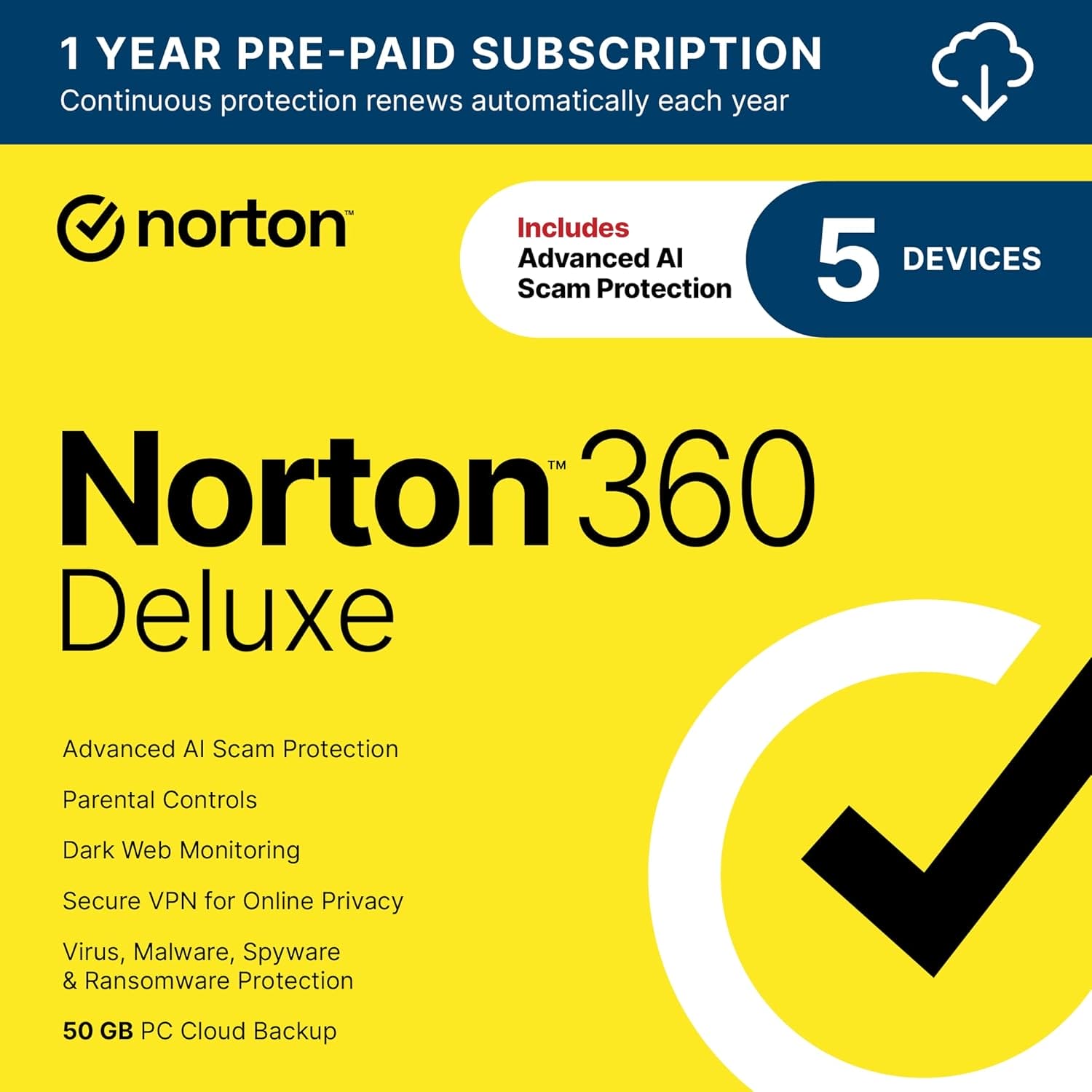
👉 Recommendation: For everyday Americans looking to protect their digital identity, a VPN is now essential. Products like Norton 360 Deluxe 2025 or Bitdefender Total Security can help safeguard privacy in an AI-driven economy.
🌐 Norton 360 Deluxe 2025 – Business VPN solutions to secure corporate communications. Shop on Amazon

🛡 Bitdefender Total Security – Endpoint security software that detects threats in real time. Available on Amazon

4. AI and Inflation: A Hidden Risk
While Trump’s administration blames the Federal Reserve for keeping interest rates high, inflationary pressures are building elsewhere — particularly through tariffs and trade restrictions.
But AI also plays a complex role in inflation:
- On one hand, AI automation lowers costs by improving efficiency.
- On the other hand, AI data centers require massive energy consumption, driving up electricity prices.
- Supply chain disruptions in semiconductors and GPUs add pressure to consumer electronics pricing.
For instance, NVIDIA’s AI chips are now in such high demand that prices on platforms like Amazon have skyrocketed. While AI boosts innovation, the cost of scaling this technology may eventually feed into consumer inflation.
5. Wall Street’s AI Obsession: Is This a Bubble?
The stock market is booming, with AI stocks at the center of the rally. NVIDIA, Microsoft, and Google are posting record valuations, while smaller AI startups are raising billions.
But many analysts warn of a potential AI bubble:
- Valuations are based on future expectations, not current profitability.
- Venture capital funding is outpacing real-world adoption in many industries.
- If profitability doesn’t materialize, the AI sector could face a dot-com style correction.
Suggested diagram: A chart comparing AI stock valuations in 2025 vs. dot-com bubble valuations in 2000.
6. National Security and AI: A Strategic Gamble
AI is no longer just an economic driver; it’s a national security priority.
- The Pentagon is investing billions into AI-powered defense systems.
- Cybersecurity firms are using AI to detect and neutralize threats faster than ever.
- At the same time, AI deepfakes and misinformation are becoming geopolitical weapons.
The US economy boosted by AI, also faces global competition. China, for example, is heavily subsidizing its AI sector. The U.S. risks falling behind if political instability scares away foreign investment.
7. Everyday Americans and the AI Future
For most Americans, AI is both exciting and intimidating. From smart home devices to AI-powered healthcare apps, the technology is slowly integrating into daily life.
👉 Suggestion: Promote Amazon Echo Show and Ring Video Doorbell as AI-driven smart home essentials for readers who want to experience AI safely.
- Smart Home AI: Products like Amazon Alexa, Ring cameras, and Google Nest thermostats help manage households efficiently.


- Healthcare AI: Apps track health conditions and even predict potential illnesses.
- Education AI: Students use AI tutors and platforms for personalized learning.


The Bottom Line: US Economy Boosted by AI Is a Double-Edged Sword
The US economy boosted by AI, is a fascinating paradox:
- It drives growth, innovation, and global leadership.
- But it also masks structural weaknesses — inequality, job insecurity, and inflationary risks.
As America races forward with AI, the challenge is to balance innovation with inclusivity. If done right, AI could usher in a golden age of productivity. If not, it could deepen divisions and trigger economic instability.
Frequently Asked Questions (FAQs)
1. How is AI boosting the U.S. economy?
AI is fueling growth by improving productivity, attracting investment in chips and data centers, and enabling automation across industries.
2. Will AI take American jobs?
Yes and no. AI will replace some jobs but also create new, higher-skilled opportunities. The net effect will depend on how quickly workers reskill.
3. Is the U.S. economy too dependent on AI?
There’s a risk of overreliance. While AI boosts growth, the economy still faces structural issues like inequality and trade tensions.
4. Is there an AI bubble forming?
Some analysts believe current AI valuations resemble the dot-com bubble. If profits don’t catch up, a correction could happen.
5. What can Americans do to protect themselves in an AI-driven economy?
Invest in digital skills, use VPNs for online security, and explore smart devices that responsibly leverage AI.




What i don’t realize is actually how you are now not actually a lot more neatly-appreciated than you might be now. You are very intelligent. You know thus considerably in terms of this topic, produced me in my opinion consider it from a lot of various angles. Its like men and women are not involved unless it is one thing to do with Girl gaga! Your own stuffs outstanding. All the time deal with it up!
You can certainly see your skills in the work you write. The world hopes for even more passionate writers like you who are not afraid to say how they believe. Always go after your heart.