
Introduction
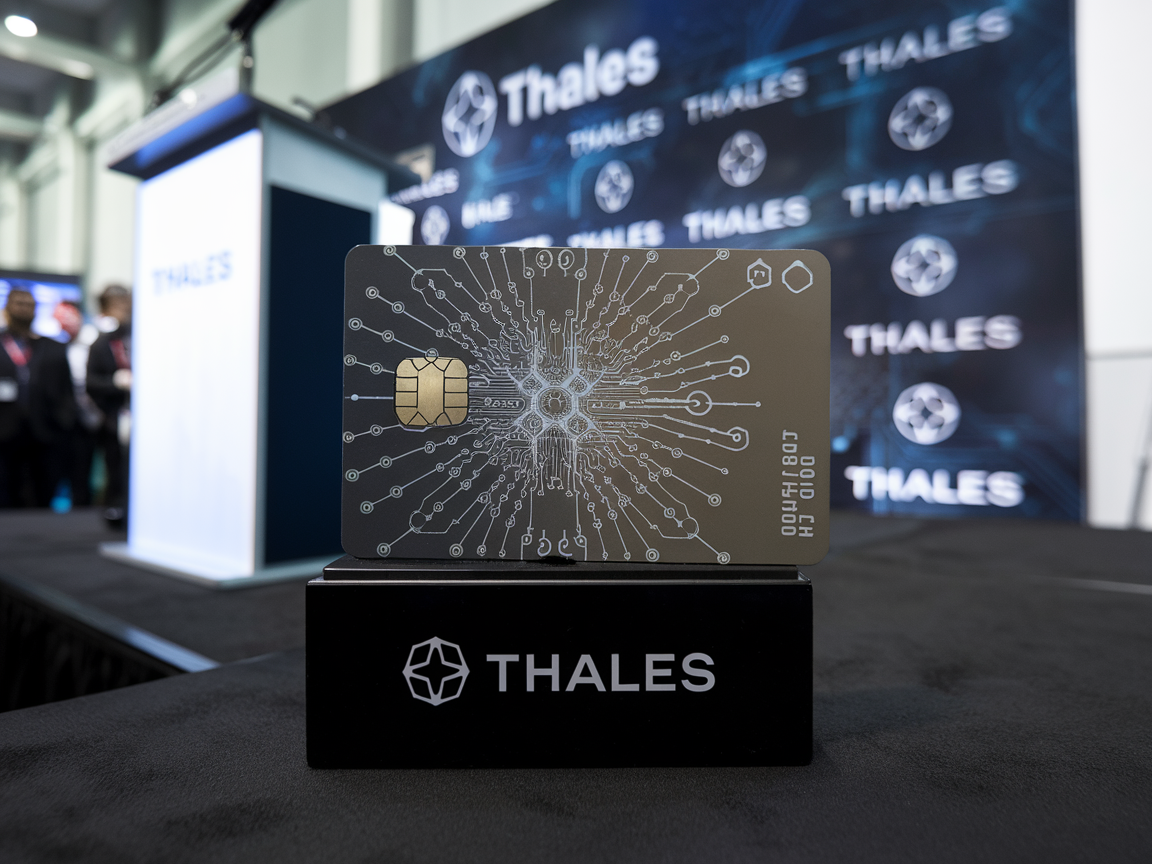
Neutralizing quantum attacks is no longer science fiction—it’s an urgent cybersecurity priority. On October 7, 2025, French defense and cybersecurity giant Thales unveiled the MultiApp 5.2 Premium PQC, the world’s first certified smart card equipped with post-quantum cryptography (PQC).
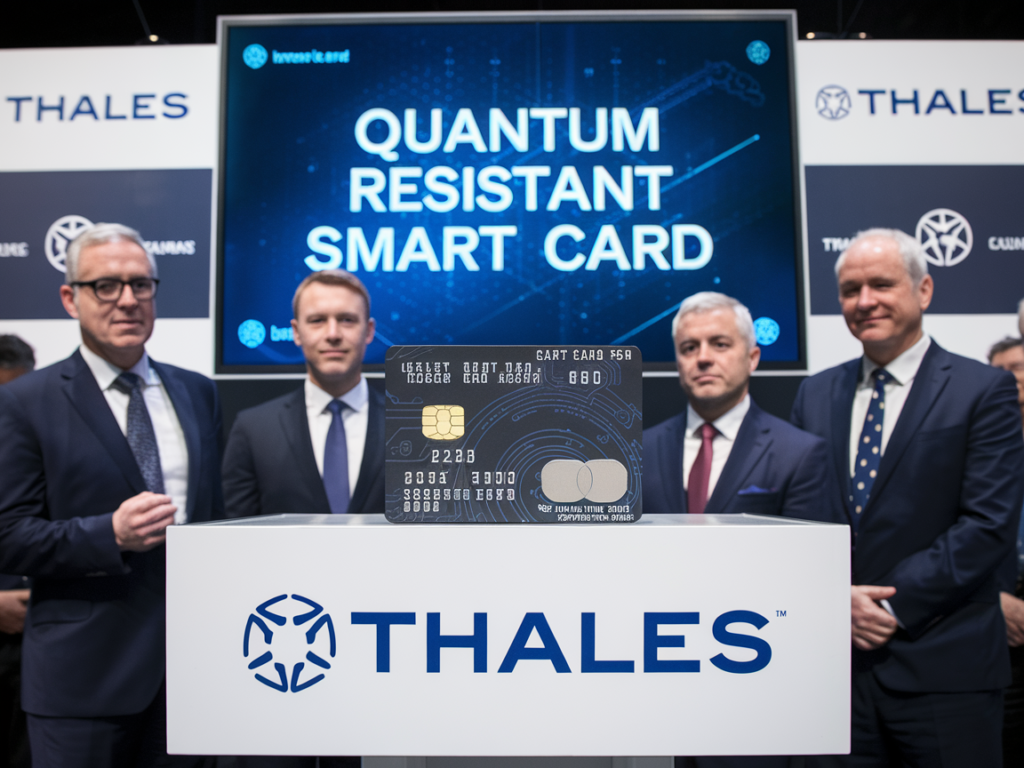
This innovation is being hailed as a critical milestone in preparing for the era of quantum computing, where today’s standard algorithms like RSA and ECC could be rendered obsolete. While it may sound like a futuristic concern, analysts, including Gartner, warn that by 2029, classical cryptography could be fully compromised by quantum systems.
So, why does this smart card matter—and how does it fit into the global race against quantum threats? Let’s break down the 7 powerful insights behind Thales’ breakthrough, why it matters for the U.S. cybersecurity landscape, and what it means for governments, banks, and critical infrastructure.
1. A Certified “Post-Quantum” Smart Card
At the heart of Thales’ announcement is the MultiApp 5.2 Premium PQC, a smart card that’s not only PQC-ready but also certified.
- Certified under Common Criteria EAL 6+, recognized by France’s ANSSI (the National Cybersecurity Agency).
- Uses NIST-standardized algorithms for digital signatures, ensuring resilience against quantum-powered decryption.
- Built for long-term data protection, especially for sensitive national security and financial sectors.
What makes this critical? Certification means the card meets internationally recognized security benchmarks, which is a big deal for U.S. agencies and enterprises evaluating global solutions.
2. Neutralizing Quantum Attacks with PQC Algorithms
Traditional cryptography, like RSA or ECC, could crumble under quantum brute-force attacks. Thales’ card instead integrates post-quantum cryptographic algorithms (PQC), already approved by NIST.
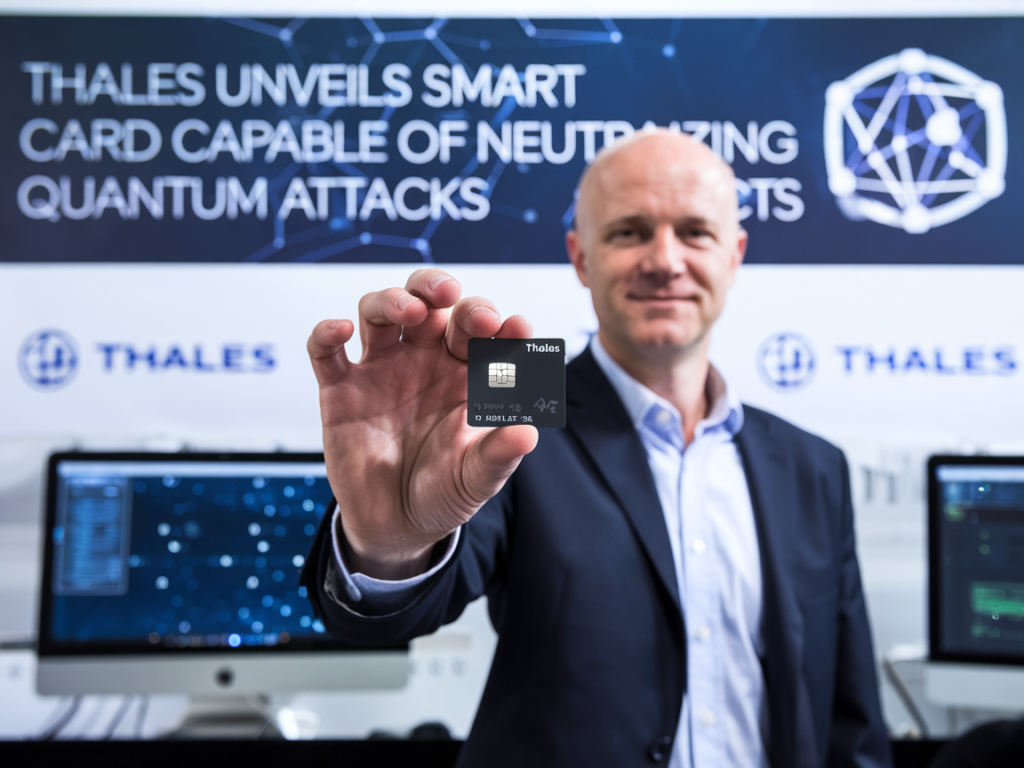
These include:
- ML-KEM (Key Encapsulation Mechanism)
- ML-DSA (Digital Signature Algorithm)
Both are designed to resist Shor’s algorithm, the main quantum method capable of breaking today’s encryption.
For the U.S. defense sector, this is significant. Agencies like NSA and NIST are already pushing a crypto-agility strategy, where systems must quickly adapt encryption methods as threats evolve.
3. Quantum Threats Are Closer Than You Think
Why does this matter in 2025, when scalable quantum computers are still in development?

Because of the Harvest Now, Decrypt Later (HNDL) tactic. Attackers steal encrypted data today and store it until quantum power is available to decrypt it. Sensitive files—government communications, medical data, financial transactions—are already being stockpiled for future exploitation.
In the U.S., this has serious implications for:
- Banking systems handle millions of encrypted transactions daily.
- Federal agencies securing classified communications.
- Healthcare networks store decades of patient records.
Thales’ card is a practical defense against this looming strategy.
4. Integration with Hardware Security Modules (HSMs)
Beyond smart cards, Thales is extending PQC to Hardware Security Modules (HSMs), the backbone of large-scale enterprise encryption.
- Its Luna HSM v7.9 line already integrates PQC algorithms.
- Partnership with Quantum Dice to embed quantum random number generators (QRNGs)—boosting cryptographic key robustness.
For the U.S. market, where financial institutions and cloud providers rely heavily on HSMs, this step ensures enterprise-grade resilience.
5. Strategic European Sovereignty vs. U.S. Security Needs
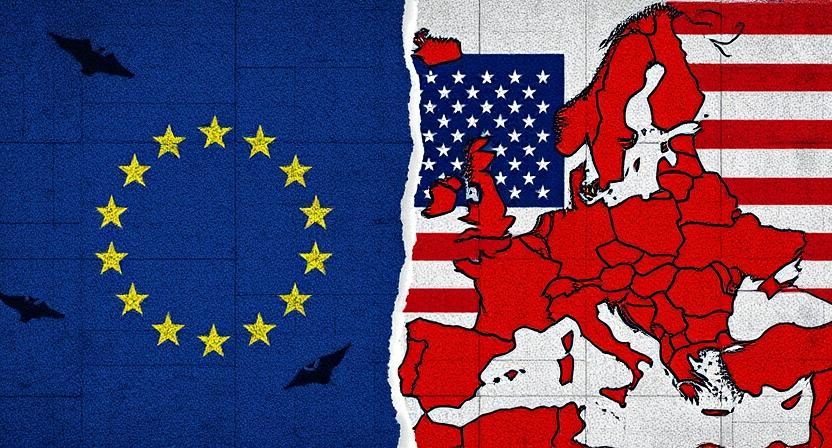
Thales emphasizes that this is not just a tech upgrade—it’s a strategic sovereignty move. By building Europe’s first certified PQC smart card, Thales reduces reliance on foreign (including U.S. and Chinese) tech.
For the United States, this raises key considerations:
- Should U.S. agencies adopt foreign-certified PQC solutions, or prioritize domestic development?
- Will partnerships between U.S. and EU companies become essential for a global PQC standard?
- How does this affect ongoing U.S. NIST PQC competitions that are setting worldwide benchmarks?
6. Challenges in Deployment at Scale
While groundbreaking, deploying PQC smart cards at a massive scale is not simple.
- Replacing millions of ID cards, passports, and banking devices will require a heavy investment.
- Only high-priority sectors (government, defense, banking) will see adoption first.
- Any software or hardware flaw in PQC implementation could undermine security entirely.
In the U.S., this mirrors challenges faced during the migration to chip-enabled cards in the 2010s. Mass adoption will require policy guidance, subsidies, and standards enforcement.
7. The Road Ahead: Beyond Smart Cards
Thales is already signaling that PQC smart cards are just the beginning.
- Satellites and military IoT devices may be next.
- Secure defense communications (DCM5 system) are already integrating PQC for sovereign quantum-resistant links.
- PQC firmware upgrades for enterprise HSMs show a future where the entire trust chain—from identity verification to cloud security—is quantum-proof.
For U.S. cybersecurity planners, this is a wake-up call: the global race to neutralize quantum attacks is on, and early adoption could determine national resilience.
U.S. Market Implications
Why should American readers care?
- U.S. infrastructure (power grids, banks, military systems) is a prime target for future quantum attacks.
- The federal government is already mandating post-quantum readiness through NIST’s standards.
- American enterprises that fail to migrate early may face regulatory fines, data breaches, and reputational collapse once quantum systems arrive.
Affiliate Picks: Quantum-Safe & Cybersecurity Products
Looking to prepare your business or home setup for next-gen security? Here are some Amazon picks:
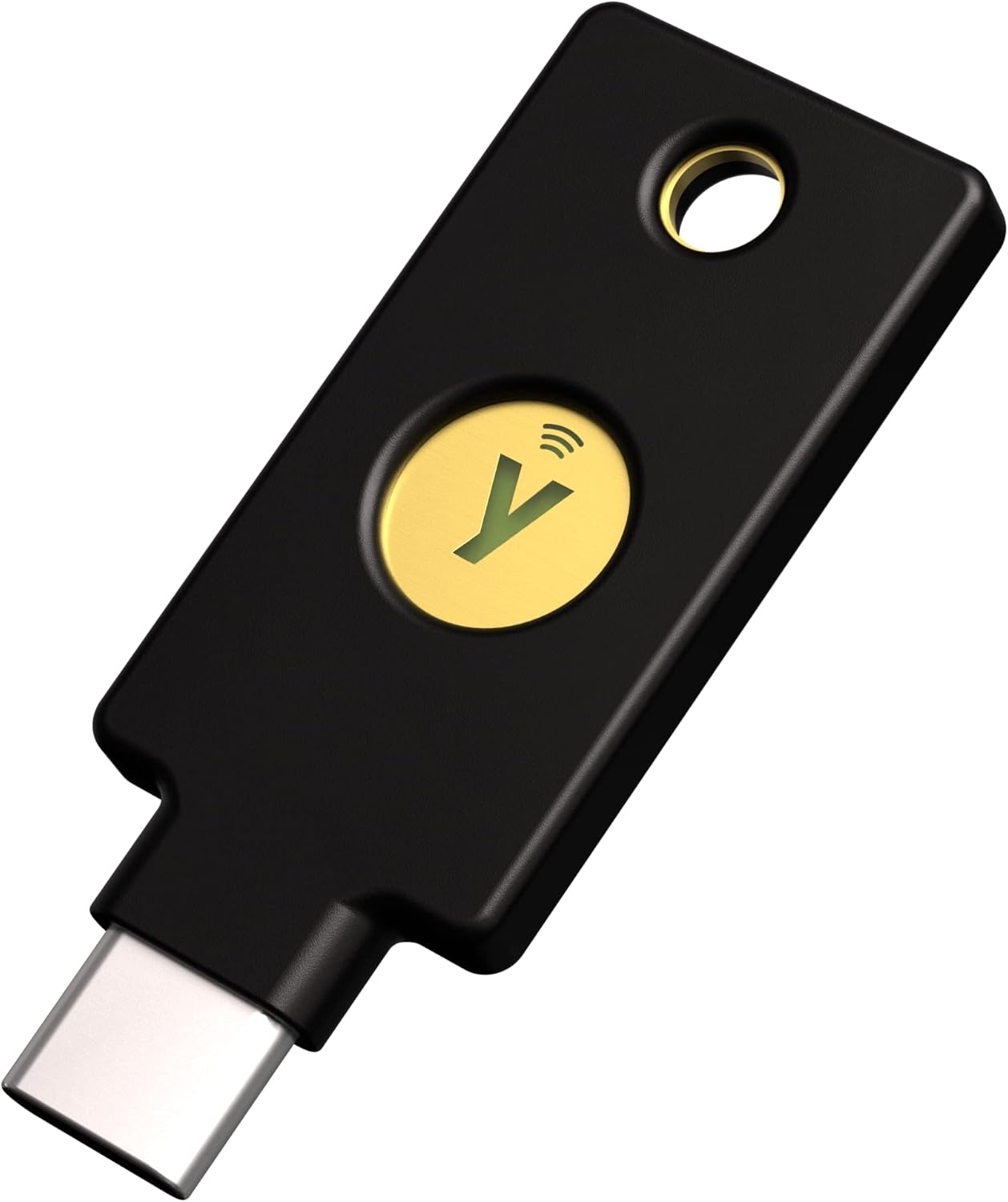
YubiKey 5C NFC Security Key – Multi-protocol hardware authentication.

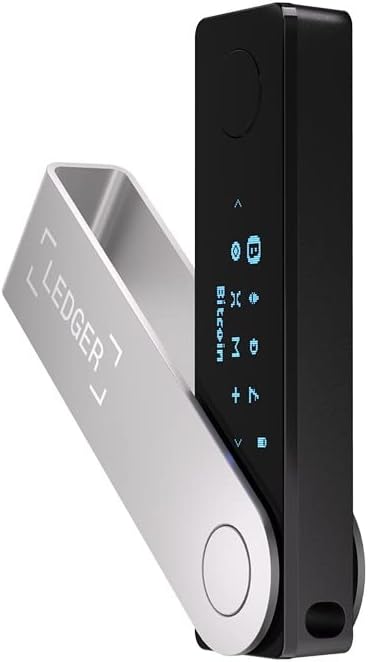
Ledger Nano X Crypto Wallet – Secure your crypto assets with post-quantum awareness.
FAQs
Q1: What is a quantum attack?
A quantum attack uses quantum computing to break today’s encryption methods like RSA or ECC.
Q2: What makes Thales’ card unique?
It’s the first certified smart card in Europe designed with NIST-standardized PQC algorithms.
Q3: When will quantum computers break today’s encryption?
Analysts expect significant risk by 2029, but attackers are already collecting data today.
Q4: Should U.S. companies adopt Thales’ card?
Enterprises in finance, defense, and healthcare should begin pilot programs while monitoring domestic PQC standards.
Conclusion
The race to neutralize quantum attacks is accelerating, and Thales’ PQC smart card represents a landmark achievement. For Europe, it’s a step toward sovereignty. For the U.S., it’s a wake-up call: preparation must start now to avoid catastrophic vulnerabilities by the end of the decade.
Quantum-safe systems aren’t optional—they’re the future of cybersecurity.



Who knew a smart card could spark a geopolitical chess match while also keeping my online pizza order safe from future computers? Thales PQC card is like that eccentric uncle at a family reunion who brings the cool new tech everyone’s talking about – quantum-resistant, certified, and making Europe beam with pride. But dont get too comfy, America; it’s apparently also a strategic move that makes U.S. agencies ponder adopting foreign tech or sweating through domestic competitions. Honestly, while the threat of someone decrypting my forgotten online banking password in 2045 feels slightly distant, it’s great to see innovation. Just hope the rollout isn’t as painful as that awkward transition to chip-and-PIN. Stay quantum-safe, folks!hẹn giờ online
You’ve perfectly captured the fascinating blend of high-tech innovation and high-stakes strategy surrounding Thales’s quantum-resistant smart card. It is indeed a significant technical achievement for Europe and a development that is being closely watched by security agencies worldwide, including those in the U.S.