Introduction
Microsoft has issued a critical warning about a new cyberattack known as “Payroll Pirate,” a scheme designed to steal employee salaries without either the worker or the employer realizing it. This new attack highlights the increasing sophistication of cybercriminals who now target the very core of organizations: payroll systems that control how and where salaries are deposited.
Payroll processing has always been considered the backbone of corporate and university operations in the United States. For millions of employees, payday is a routine event—money moves from an organization’s payroll platform straight into their bank account. But with the emergence of the Payroll Pirate campaign, hackers are rewriting this routine by quietly diverting employee paychecks into their own accounts.
The alarming part? Victims often discover the theft too late. Companies believe they have fulfilled their obligations by sending funds, while employees wait for deposits that never arrive. By the time discrepancies are spotted, attackers have already withdrawn or laundered the stolen funds.
According to Microsoft’s cybersecurity division, the attack is built on a mixture of advanced phishing campaigns, fraudulent websites, and unauthorized manipulation of payroll systems like Workday, one of the most widely used human resource platforms in the U.S. The company revealed that since March, thousands of individuals across more than 25 universities and multiple corporations have already been targeted.
This revelation puts both employers and employees in a precarious position. Salaries represent not just financial stability but also trust in the system. If that trust is undermined, it can have devastating consequences for workplace morale, employee retention, and the reputation of affected institutions.
How the Payroll Pirate Attack Works
Microsoft’s research team has revealed that the Payroll Pirate attack is not a simple case of phishing or a random email scam. Instead, it’s a carefully designed, multi-layered operation that exploits trust in HR and payroll systems. The attackers use sophisticated techniques to impersonate university or company administrators, creating a sense of urgency in their messages. Victims are usually instructed to log into what looks like their official payroll or HR management portal, but in reality, it is a fake website meticulously crafted by cybercriminals.

Once the employee enters their login credentials, the attackers immediately capture the information. But the threat doesn’t stop there. According to Microsoft, the hackers are also intercepting two-factor authentication (2FA) codes, whether delivered by text message or generated through authenticator apps. This allows them to bypass security features that many organizations rely on as their last line of defense.
The focus of the attacks, as documented by Microsoft, has been on platforms like Workday, a widely used HR and payroll management system adopted by thousands of businesses and educational institutions in the United States. After gaining access, the attackers do not immediately withdraw funds. Instead, they change critical account settings—such as the employee’s registered email address, phone number, and most importantly, their bank account details. This means the next paycheck or salary deposit is quietly diverted to the hacker’s account instead of the employee’s.
What makes the Payroll Pirate particularly insidious is that both sides of the payroll transaction believe everything is normal. The company or university processes the payroll as usual, and the employee assumes their paycheck is on its way. In reality, the salary has already been redirected. By the time the discrepancy is noticed, the hackers have often already moved the stolen money through a maze of international accounts, making recovery nearly impossible.
This form of cyberattack highlights a troubling trend: cybercriminals are no longer just stealing data or credentials; they are directly targeting financial lifelines. For employees, this can mean missing a critical paycheck, and for organizations, it can result in serious reputational damage and potential legal consequences.
- Related News:
Why Universities and Companies Are at High Risk
Microsoft’s warning about the Payroll Pirate attack emphasizes that the targets are not random. Universities and large organizations have become primary victims, and there are clear reasons why they are more vulnerable than other institutions.
First, many universities handle payroll for tens of thousands of employees and contractors, including faculty, staff, researchers, and student workers. This scale creates a broad attack surface. Each login to the HR system is a potential entry point, and with so many users, cybercriminals have countless opportunities to launch convincing phishing campaigns.
Second, universities often rely on decentralized IT structures. Unlike corporations with centralized cybersecurity teams, academic institutions typically allow departments to manage their own technology resources. This fragmented approach can leave security policies inconsistent and detection tools underutilized, making it easier for attackers to slip through unnoticed.

Companies are not immune either. Many businesses, particularly mid-sized organizations, use third-party HR management platforms like Workday, ADP, or Paycom to streamline payroll operations. While these platforms are generally secure, the problem lies in the human element. Employees are often less familiar with spotting phishing attacks and may quickly click on an email that appears to come from HR, especially if it contains sensitive wording like “action required for payroll processing.”
Microsoft revealed that more than 6,000 individuals across 25 universities have already been targeted by this attack since it was first detected in March. This scale demonstrates that hackers are casting wide nets, hoping that even a small percentage of victims will fall for the phishing attempt. Once a few accounts are compromised, attackers can use the stolen information to spread further within the institution.
The financial and emotional impact of these attacks is significant. Employees may miss entire paychecks, forcing them to delay rent, mortgage payments, or tuition bills. Employers face the burden of investigating fraudulent payroll changes, reimbursing stolen funds, and tightening security protocols—all of which can be costly and time-consuming.
This is why Microsoft is urging organizations to treat payroll security with the same seriousness as they treat banking or health data. Salaries are not just financial transactions—they are the backbone of employee trust. A breach here undermines confidence in the employer and exposes weaknesses in the company’s or university’s cybersecurity posture.
Microsoft’s Recommendations and Defense Strategies
In response to the growing threat of the Payroll Pirate attack, Microsoft has issued a set of recommendations to help organizations strengthen their defenses. These strategies focus on making it more difficult for attackers to successfully phish employees, compromise credentials, and alter payroll data without detection.
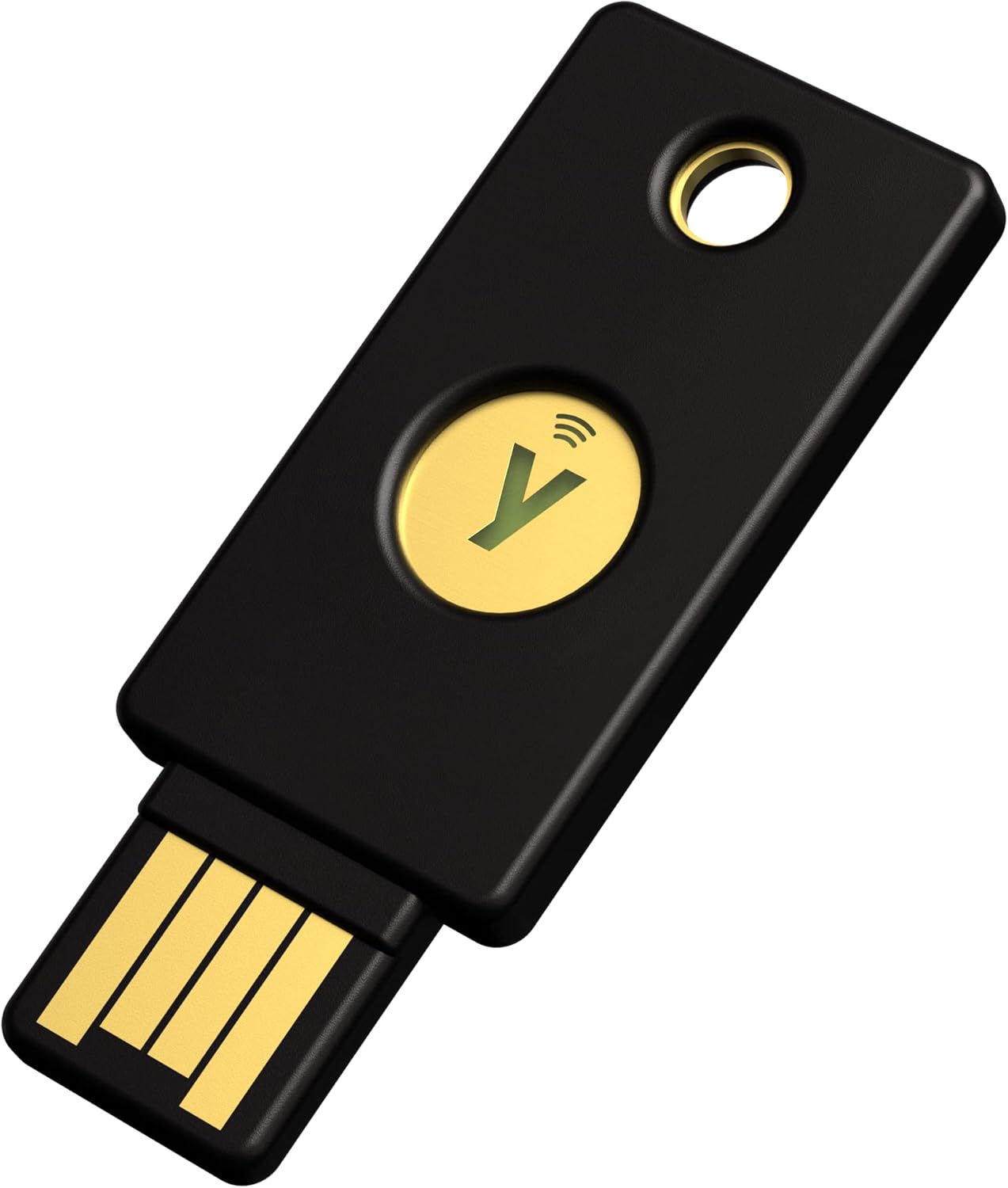
One of the most important steps Microsoft emphasizes is the use of strong multi-factor authentication (MFA). While many organizations already use two-step verification codes sent via email or SMS, cybercriminals have become adept at intercepting or tricking users into revealing those codes. For this reason, Microsoft recommends a shift toward biometric authentication or the use of physical security keys such as the YubiKey, which are much harder to bypass. These devices can plug directly into a computer or pair with a smartphone, providing a unique, hardware-based verification layer that attackers cannot replicate through phishing alone.
Another crucial recommendation is to improve employee awareness and training. Microsoft’s analysis shows that phishing emails in these campaigns are highly convincing, often mirroring the design and tone of legitimate HR communications. Training staff to carefully check URLs, verify sender domains, and recognize suspicious requests can make a measurable difference. Some companies have even adopted internal phishing simulations to test employees’ vigilance and reinforce best practices.
Microsoft also highlights the need for continuous monitoring and anomaly detection within HR and payroll platforms. For instance, sudden changes to bank account numbers, email addresses, or phone numbers linked to an employee profile should trigger immediate alerts for review. Automated monitoring tools can flag these unusual activities, allowing HR teams to intervene before salaries are redirected to fraudulent accounts.
The company is also encouraging organizations to review their vendor security policies. Because platforms like Workday or ADP are common targets, ensuring that they are configured with the latest security features is critical. Employers should verify that their HR platforms support advanced MFA, logging, and activity tracking. Additionally, enabling geo-restrictions—which can block suspicious logins from unexpected regions—adds another layer of protection.
Finally, Microsoft points out that cybersecurity should not be viewed as a one-time investment but as an ongoing process. Regular updates, patch management, and audits of both employee accounts and IT systems are necessary to stay ahead of attackers. With the speed at which phishing tactics evolve, complacency can be just as dangerous as an outright vulnerability.
In short, Microsoft’s message is clear: protecting payroll systems is about more than safeguarding money—it’s about preserving trust between employees and their institutions. Organizations that fail to take these precautions risk not only financial losses but also long-term damage to their reputations.
Real-World Examples of Payroll Attacks
While Microsoft’s warning about the Payroll Pirate campaign is alarming, this type of cyberattack is not without precedent. Over the past decade, payroll fraud has quietly grown into a lucrative target for hackers, largely because it exploits a unique vulnerability: the trust organizations place in their internal HR systems.

One widely reported case occurred in 2021, when a U.S. university disclosed that several of its faculty members had fallen victim to a phishing campaign. Attackers sent emails disguised as legitimate HR updates, directing employees to a fake login portal. Once credentials were entered, hackers immediately accessed payroll accounts and changed direct deposit information. By the time the fraud was detected, thousands of dollars in salaries had already been redirected.
Another example took place in the healthcare sector, where hospitals have increasingly become a target due to the sensitive nature of their data and large workforce. In 2022, a regional hospital chain in the Midwest reported that hackers had successfully compromised the payroll credentials of dozens of nurses and staff. The criminals altered bank account details for upcoming pay cycles, causing widespread frustration among employees who suddenly found themselves without their paychecks. While the hospital was able to reimburse staff, the breach highlighted how disruptive these attacks can be in critical industries.
Perhaps the most striking illustration came from a government agency in Europe, where attackers exploited a weak identity verification system. Instead of phishing, the hackers used social engineering to pose as employees and request payroll account changes via phone calls to HR. Because the agency lacked strong verification protocols, several fraudulent requests were approved, leading to salary theft that went unnoticed for weeks.
These incidents demonstrate that payroll fraud is not limited to phishing alone. Attackers may also rely on insider threats, poorly designed verification systems, or vulnerabilities in third-party HR platforms. In fact, according to a report from the Association of Certified Fraud Examiners (ACFE), payroll fraud accounts for nearly 27% of all internal fraud cases in organizations worldwide.
From universities to hospitals to government agencies, the common denominator is the same: payroll systems are seen as high-trust environments, and employees rarely suspect that their own salary deposits could be at risk. This makes the Payroll Pirate campaign especially concerning, as it combines phishing sophistication with the exploitation of one of the most essential HR functions.
The growing body of real-world cases underscores why Microsoft is urging organizations to upgrade security standards immediately. Without stronger safeguards, payroll fraud will likely continue to rise, affecting both employees and employers in costly ways.
Why Payroll Attacks Are Rising
The rise of campaigns like Payroll Pirate is not happening in isolation. Instead, it reflects broader trends in the cybersecurity landscape, where attackers are becoming more strategic in selecting their targets. Payroll systems sit at the intersection of sensitive financial data and human trust, making them particularly attractive for several reasons.
1. The Growth of Digital HR Platforms
Over the past decade, more organizations have shifted to cloud-based platforms such as Workday, ADP, or Oracle HCM to manage employee salaries, benefits, and HR data. While these platforms offer convenience and scalability, they also create a single point of failure. If attackers compromise employee credentials, they gain direct access to bank account details and salary payment instructions.
2. Increasing Sophistication of Phishing Campaigns
Phishing remains the entry point for most payroll fraud. According to Verizon’s 2024 Data Breach Investigations Report, 74% of breaches still involve the human element, such as falling for phishing emails or social engineering. Hackers are now crafting highly convincing emails that replicate official HR communication, complete with logos, professional language, and urgent calls to action. This makes it far easier to trick employees into entering their login credentials on fraudulent sites.
3. Insider Threats and Employee Turnover
High employee turnover in industries such as education, healthcare, and retail means that HR departments often manage frequent onboarding and offboarding. Attackers exploit these dynamics, slipping fraudulent requests into the flow of routine HR changes. In some cases, insiders with payroll access may abuse their privileges, either alone or in collusion with outside attackers.
4. Limited Awareness and Training
Despite advances in cybersecurity, many employees are still unfamiliar with how payroll fraud works. Security training often focuses on protecting email accounts, sensitive documents, or customer data — but payroll portals are rarely discussed in detail. This lack of awareness leaves employees vulnerable to social engineering tactics.
5. The Financial Incentive for Hackers
Unlike ransomware, which requires negotiation and payment, payroll fraud offers attackers direct, instant financial gain. Once they redirect salary deposits, the funds are often moved quickly through multiple accounts or converted into cryptocurrency, making recovery extremely difficult. For attackers, the return on investment is high compared to other types of cybercrime.
6. Weak Two-Factor Authentication (2FA)
Although many payroll platforms offer multi-factor authentication, not all organizations enforce strong policies. Some rely on SMS-based codes, which can be intercepted through SIM swapping attacks. Others allow email-based confirmations, which can be compromised if an attacker already has access to the victim’s email. Without more robust authentication methods, these safeguards are often bypassed.
These factors combine to create the perfect storm for campaigns like Payroll Pirate. As Microsoft’s report highlights, the use of phishing, credential theft, and platform exploitation in one coordinated attack shows just how far payroll fraud has evolved.
Here’s How to Protect Your Organization from Payroll Pirate Attacks
After understanding how payroll pirates operate, the next step is building strong defenses that make your organization a hard target. The good news: most payroll-related breaches can be prevented with a combination of modern security tools, employee awareness, and strong authentication policies.
1. Strengthen Access Control with Hardware-Based 2FA
Password-only logins are no longer enough. Attackers can easily phish or steal credentials from unsuspecting employees.
Implementing hardware-based two-factor authentication—such as YubiKey security keys —adds a powerful physical layer of protection. Even if a hacker gains a password, they still can’t access payroll systems without the physical key. Many HR and payroll platforms, including Microsoft 365 and Workday, support this type of secure login.
2. Use a Trusted Password Manager
Weak or reused passwords are one of the biggest vulnerabilities in payroll fraud. Encourage all employees, especially HR and finance staff, to use a password manager to generate and store strong, unique passwords.
A reliable manager also reduces the temptation to share credentials over email or chat—common mistakes that payroll pirates exploit.

3. Secure Your Network with a VPN Router or Firewall
Remote work has made network security more critical than ever. Ensure your HR and payroll teams connect through a secure VPN router or business-grade firewall that encrypts traffic and blocks malicious connections.
These tools can prevent attackers from eavesdropping on payroll data or redirecting users to fake login pages.

4. Educate and Train Employees Regularly
Even the best tools can’t protect against human error. Schedule regular anti-phishing training and simulated attacks to teach employees how to spot suspicious emails and websites.
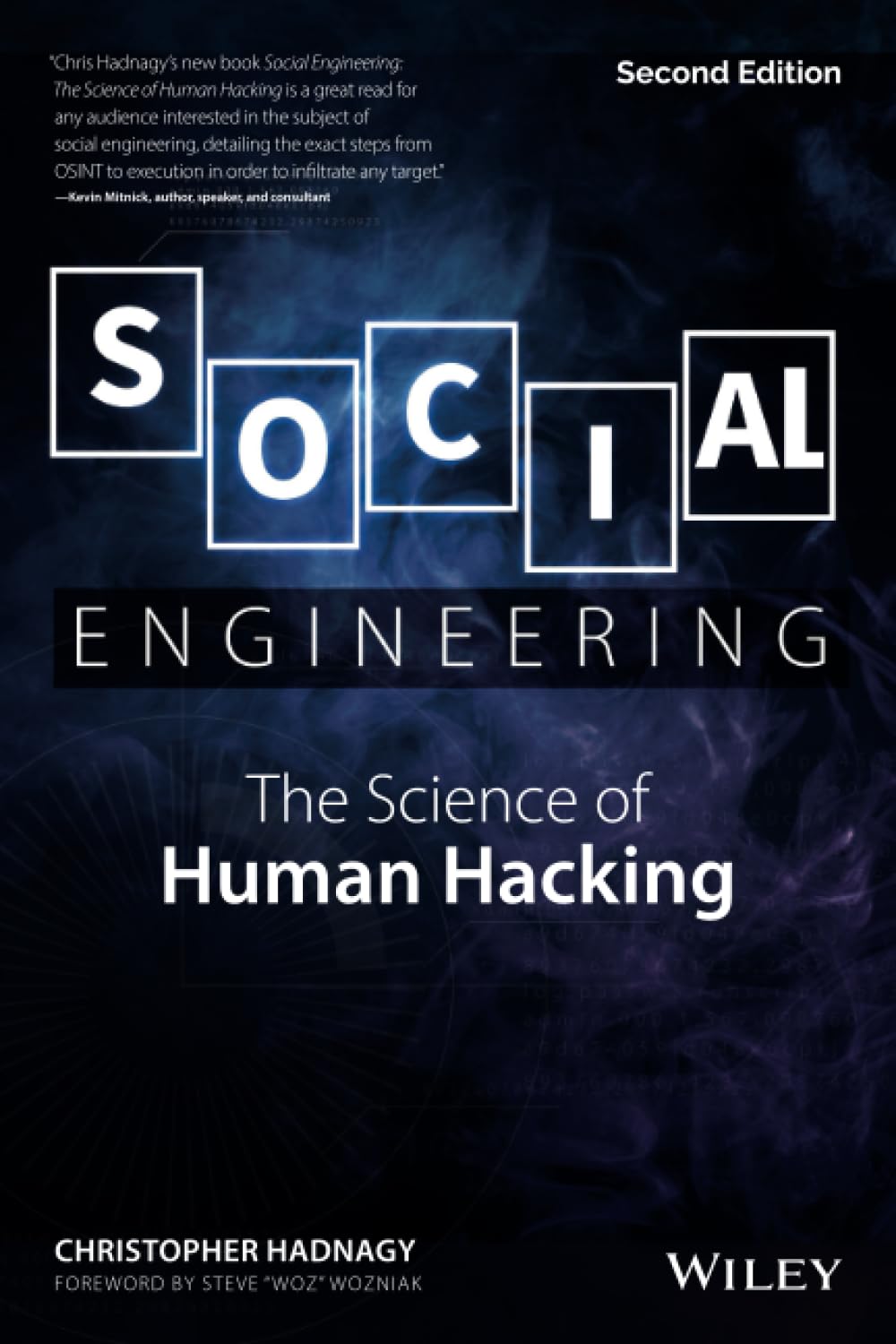
You can also invest in anti-phishing training platforms (Social Engineering: The Science of Human Hacking) or affordable cybersecurity books for HR and finance teams. Awareness is often the best—and most affordable—defense.
5. Monitor and Audit Payroll Changes
Set up automated alerts for any change in employee bank account information or payroll settings. Regularly audit these logs to verify all transactions and updates. Microsoft recommends integrating security monitoring with your payroll system to catch anomalies in real time.
6. Create an Incident Response Plan
Even with strong defenses, no system is 100% invulnerable. Establish a clear incident response protocol that outlines how to report, isolate, and contain payroll fraud attempts.
This ensures rapid action before damage spreads—especially when funds or sensitive employee data are at risk.
✅ Recommended Security Tools
| Purpose | Recommended Product | Description |
|---|---|---|
| Two-Factor Authentication | YubiKey Security Key | Hardware-based authentication that prevents unauthorized access. |
| Password Management | Password Manager Tool | Creates and stores strong, unique passwords for each account. |
| Network Protection | VPN Router / Firewall | Encrypts connections and blocks malicious traffic. |
| Phishing Awareness | Anti-Phishing Training | Teaches employees to identify and avoid phishing attempts. |
| Cybersecurity Education | Cybersecurity Guide or Book | Helps HR and finance staff understand best security practices. |
🛡️ Bottom Line
Protecting your organization from payroll pirates isn’t about luck—it’s about preparation. By combining hardware authentication, password security, network protection, and employee awareness, you can dramatically reduce the risk of payroll fraud and safeguard both your employees and your reputation.
Conclusion: Stay One Step Ahead of Payroll Pirates
Payroll fraud is no longer a rare or isolated threat — it has become a growing industry for cybercriminals. As Microsoft’s warning highlights, even well-secured organizations can fall victim if they overlook small details, such as weak two-factor authentication (2FA), poor employee awareness, or unmonitored payroll systems.
The key takeaway? Prevention is far easier (and cheaper) than recovery.
By investing in reliable authentication tools, continuous staff training, and proactive monitoring, you can stop payroll pirates before they ever reach your shores.
Digital security isn’t just an IT responsibility anymore — it’s an organization-wide priority that protects your people, your reputation, and your bottom line.
Frequently Asked Questions (FAQ)
1. What is a “Payroll Pirate” attack?
A payroll pirate attack is a type of cybercrime where hackers infiltrate HR or payroll systems to redirect employee salaries into fraudulent bank accounts. These attacks often start with phishing emails or compromised credentials.
2. Why are universities and corporations prime targets?
Because they manage large payroll databases and often have decentralized systems, making it easier for attackers to exploit weak links — such as untrained staff or outdated security protocols.
3. How can organizations prevent payroll fraud?
Implement multi-factor authentication, use password managers, and train employees regularly on phishing awareness. Regular payroll audits and secure VPN networks also play a key role.
4. What should I do if my organization suspects a payroll breach?
Immediately freeze payroll changes, alert your IT and HR departments, and contact your financial institution to stop any unauthorized transfers. Review access logs and update all login credentials immediately.
5. Are hardware security keys like YubiKey worth it?
Absolutely. Hardware-based two-factor authentication offers one of the strongest defenses against credential theft. Even if a hacker steals your password, they can’t access your account without the physical key.
6. How often should organizations train employees against phishing?
At least quarterly. Cyber threats evolve rapidly, so ongoing training and simulated phishing tests help employees stay alert and prepared.
7. Does Microsoft offer specific tools to combat payroll fraud?
Yes. Microsoft recommends integrating its Defender for Office 365, Azure Active Directory Identity Protection, and conditional access policies to detect and block suspicious payroll-related activities.
💡 Final Thought
Cybersecurity is not a one-time project — it’s a continuous journey.
Organizations that treat security as part of their culture, not just their compliance checklist, are the ones that stay safe from the ever-evolving tactics of payroll pirates.
Source: Wiz Techno + websites