
Table of Contents
Could Redefine the Smartphone Market
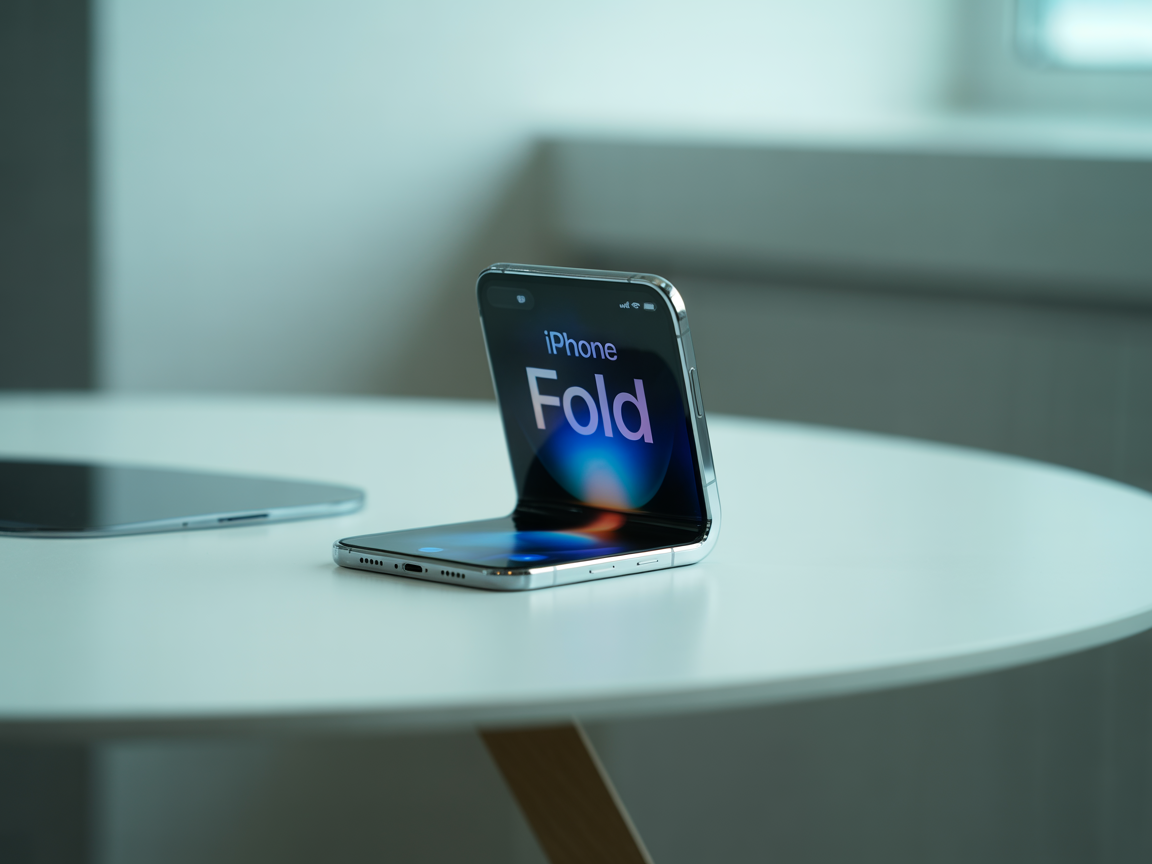
Apple has always been a company that sets trends rather than follows them. Now, with increasing rumors and credible supply chain leaks, the iPhone fold seems closer than ever. While Samsung, Huawei, and Motorola have already tested the waters with foldable smartphones, Apple has been patiently watching, refining, and preparing to enter this market on its own terms.
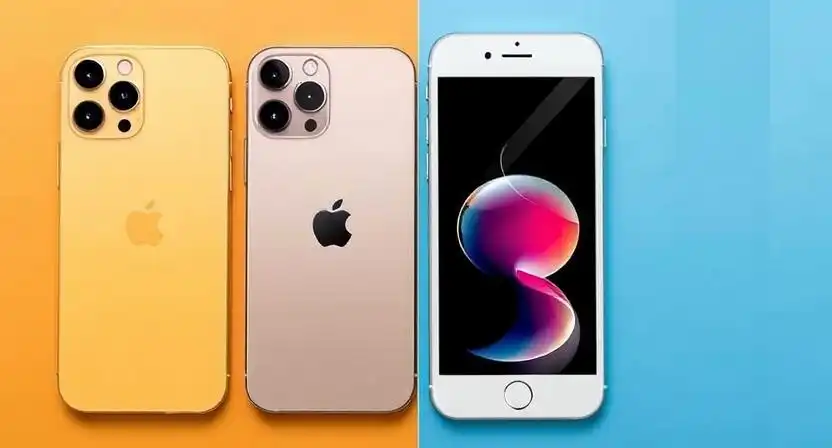
But will Apple’s foldable iPhone truly succeed? Experts, market analysts, and consumers alike are betting on yes. According to renowned Apple analyst Ming-Chi Kuo, Apple could ship between 8 to 10 million foldable iPhones in its first year of release (2026), with projections skyrocketing to 20–25 million units by 2027.
This article explores Apple’s foldable strategy, potential features, market impact, and why the iPhone might redefine what we expect from a smartphone.
Apple’s Deliberate Strategy for the iPhone fold
Unlike rivals that rushed foldables to market—sometimes with durability issues—Apple has taken a cautious approach. Industry insiders reveal that Apple has been testing multiple prototypes for years.
- Launch Timeline: Expected in 2026, positioning Apple after Samsung’s sixth generation of foldables but with better maturity.
- Market Confidence: Apple is confident enough to project sales surpassing the entire global foldable market volume of 2025 by 2027.
- Comparison: In contrast, Samsung shipped just over 10 million foldables worldwide in 2022 (Statista).
Apple’s strategy is not just about creating another iPhone, but about creating the iPhone foldable as a lifestyle shift, similar to what the original iPhone did in 2007.
iPhone foldable Sales Forecast: A Game-Changer
Apple’s aggressive sales estimates raise eyebrows. Here’s why:
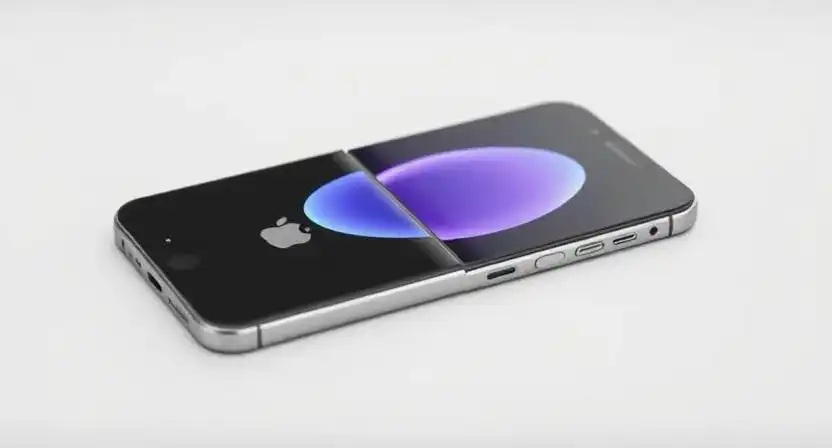
- Initial Year (2026): 8–10 million foldables expected.
- Following Year (2027): 20–25 million, outpacing rivals.
- Comparison: Analysts expect global foldable shipments (all brands combined) to reach only ~23 million in 2025.
That means Apple alone might outsell the entire foldable industry just two years later.
This confidence highlights not only Apple’s brand loyalty but also the consumer readiness for a premium foldable iPhone.
Design Expectations: What Will the iPhone foldable Look Like?
So, what can consumers expect in terms of design? Leaks and mockups provide some clues:
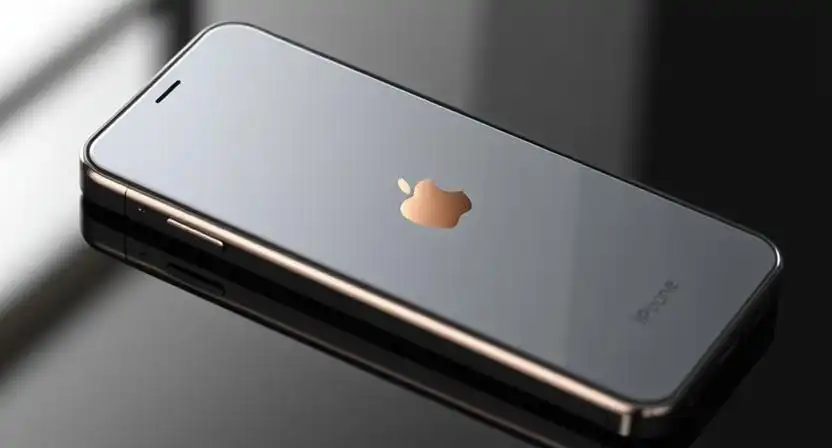
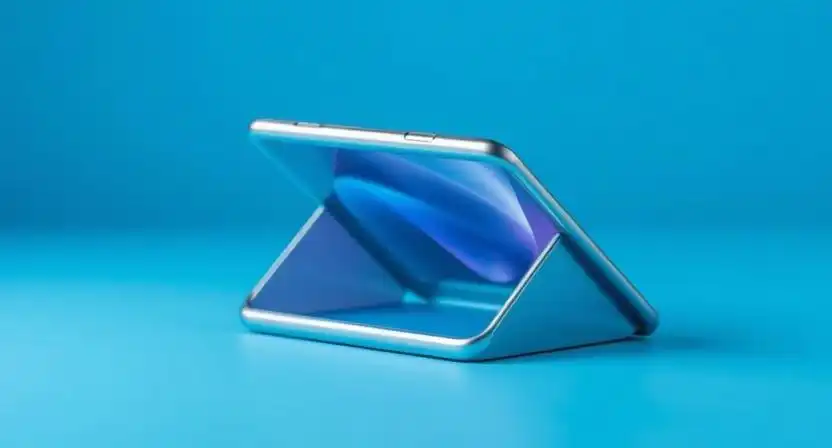
- Clamshell or Book-Style? Most rumors point to a book-style foldable (like Samsung’s Galaxy Z Fold), but Apple may release a clamshell variant in future.
- Durability: Apple is working on advanced hinge engineering to eliminate the crease problem common in foldables.
- Materials: Stronger glass alternatives, possibly leveraging Ceramic Shield 2.0.
- Form Factor: Rumors suggest an 8-inch unfolded display, bridging the gap between iPhone and iPad Mini.
Apple’s design philosophy emphasizes elegance and functionality, meaning the iPhone Fold is likely to feel seamless rather than experimental.
The First Foldable iPad: Apple’s Parallel Strategy
Interestingly, Apple is also rumored to release its first foldable iPad in 2028. While this might be aimed at professionals and creatives, the foldable iPad would test larger foldable displays before scaling them to laptops or MacBooks.
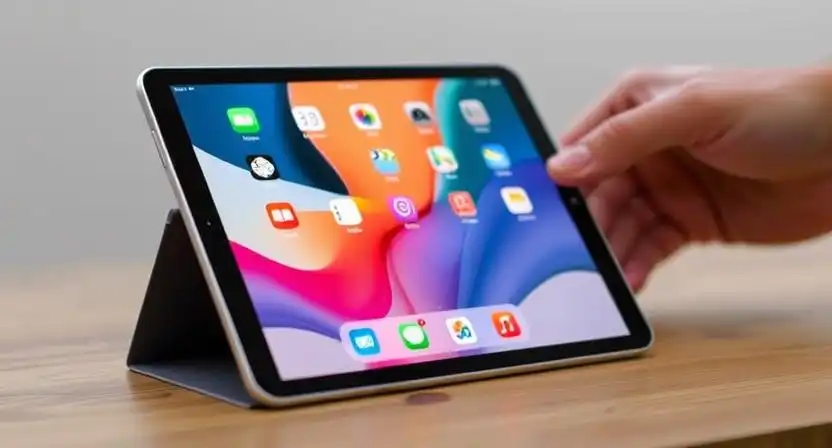
- Expected Sales: Fewer than 1 million units in its first year due to high costs.
- Pricing Factor: The foldable iPad could cost significantly more than the current iPad Pros.
This staged rollout shows Apple’s step-by-step approach—foldable iPhone first, then foldable iPad, then potentially foldable Macs.
Pricing Strategy: Premium or Ultra-Premium?
Apple has never been a “budget brand,” and the iPhone foldable won’t change that. Industry expectations suggest:

SAMSUNG Galaxy Z Flip 3 5G, US Version, 128GB, Phantom Black – Verizon (Renewed)

- Base Price: Likely between $1,799–$1,999, competing with Samsung’s Galaxy Z Fold 5.
- Consumer Behavior: A Pew Research survey revealed that over 40% of U.S. iPhone users upgrade within 2 years, suggesting strong early adoption despite price.
- Value Proposition: Apple may justify pricing with unique durability, software integration, and ecosystem benefits.

Google Pixel Fold – Unlocked Android 5G Smartphone with Telephoto Lens and Ultrawide Lens – Foldable Display – 24-Hour Battery – Obsidian – 256 GB
In other words: people don’t buy iPhones because they’re cheap—they buy them because they’re iPhones.
Apple Vision Air: AR Meets Foldable Strategy
Apple’s long-term roadmap doesn’t stop at phones. Ming-Chi Kuo also predicts:
- A cheaper version of Vision Pro called Vision Air in 2027.
- Expected sales of 1 million units in the first year.
- Foldable iPhone + AR headset = a multi-device ecosystem that blends AR and mobile computing.
Apple’s competitive edge lies in how all these devices work seamlessly together.
Challenges Apple Must Overcome
Even with its brand power, Apple faces challenges:
- Durability Concerns – Foldable phones still struggle with hinge strength and screen creasing.
- High Costs – Not all consumers will pay nearly $2,000 for a phone.
- Competition – Samsung, Google (Pixel Fold), and Huawei already dominate early adopters.
- Supply Chain Risks – Apple’s reliance on Asian suppliers could pose bottlenecks.
But Apple’s track record suggests it doesn’t need to be first—it needs to be best.
Consumer Impact: Why the iPhone Fold Matters
If Apple succeeds, the iPhone foldable could:
- Normalize foldable devices in the U.S. mainstream market.
- Push app developers to optimize for foldable layouts.
- Replace tablets for casual users, thanks to its dual-role design.
- Spark a new wave of smartphone innovation globally.
Think of it this way: the iPhone Fold isn’t just another phone. It’s Apple’s bet on the next decade of mobility.
Expert Projections: Will Apple Dominate the Foldable Market?
Most analysts agree: yes.
- By 2027, Apple may control over 40% of the foldable market share in the U.S. alone.
- Loyal iPhone users are more likely to switch to a foldable iPhone than to a rival brand.
- Apple’s ecosystem (iCloud, App Store, AirPods, Mac, iPad) makes switching costs too high for most.
That’s why when Apple enters, it doesn’t just compete—it often reshapes the entire industry.
FAQs
1. When will the iPhone foldable be released?
Apple is expected to launch the first foldable iPhone in 2026, based on supply chain leaks.
2. How much will the iPhone foldable cost?
Analysts expect pricing around $1,799–$1,999 in the U.S.
3. Will there also be a foldable iPad?
Yes, Apple is rumored to release a foldable iPad by 2028, targeting professionals.
4. How many units does Apple expect to sell?
Apple aims for 8–10 million units in 2026, and up to 25 million by 2027.
5. Will the iPhone foldable replace the regular iPhone?
Unlikely. Apple will likely keep both models, with the Fold serving as a premium alternative.
Conclusion: iPhone Fold Is Apple’s Boldest Bet Since 2007
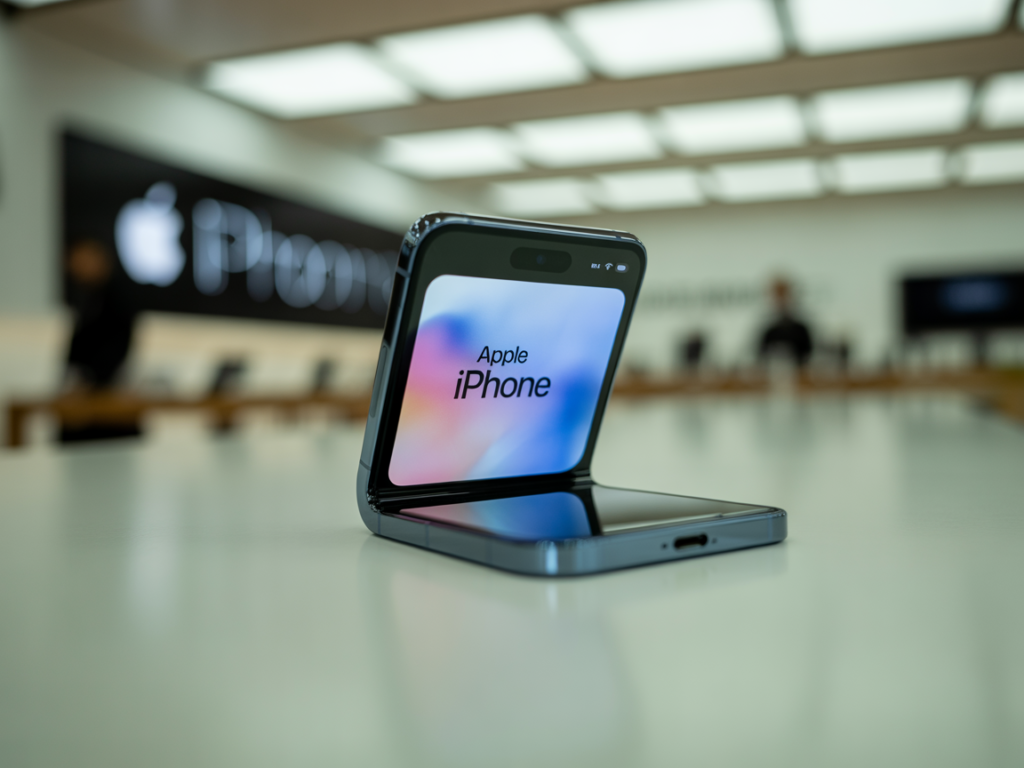
The iPhone foldable is more than just a new iPhone—it represents Apple’s vision for the future of mobile technology. With massive sales projections, cutting-edge design, and integration with upcoming devices like Vision Air, Apple is setting the stage for a new era.
Yes, challenges remain—pricing, durability, and competition—but history tells us that when Apple enters a new category, the industry shifts. Just as the iPhone redefined smartphones in 2007, the iPhone foldable might redefine them again in 2026.



After examine a number of of the blog posts on your website now, and I truly like your approach of blogging. I bookmarked it to my bookmark web site list and will probably be checking again soon. Pls try my web site as well and let me know what you think.