iPhone Air: Apple’s Boldest Move Yet in Smartphone Design
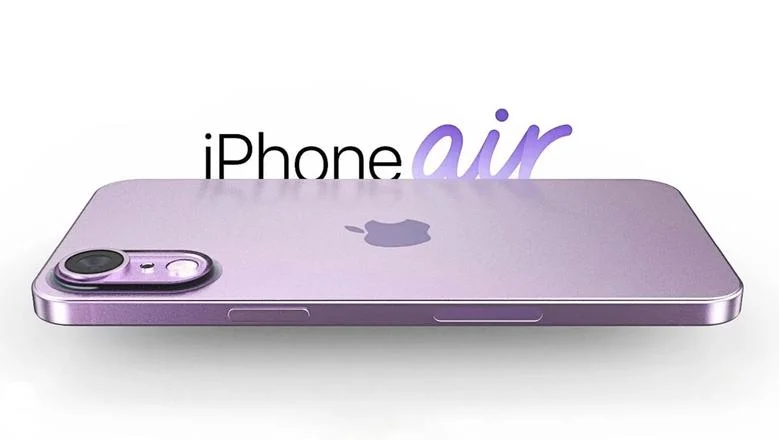
Apple has never shied away from rewriting the rules of smartphone design. From eliminating the headphone jack in 2016 to removing chargers from the iPhone 12 packaging in 2020, each controversial decision has sparked heated debate—yet often set new industry standards. Now, in 2025, Apple has introduced its boldest creation yet: the iPhone Air, the thinnest iPhone in history and one of the slimmest smartphones ever released.
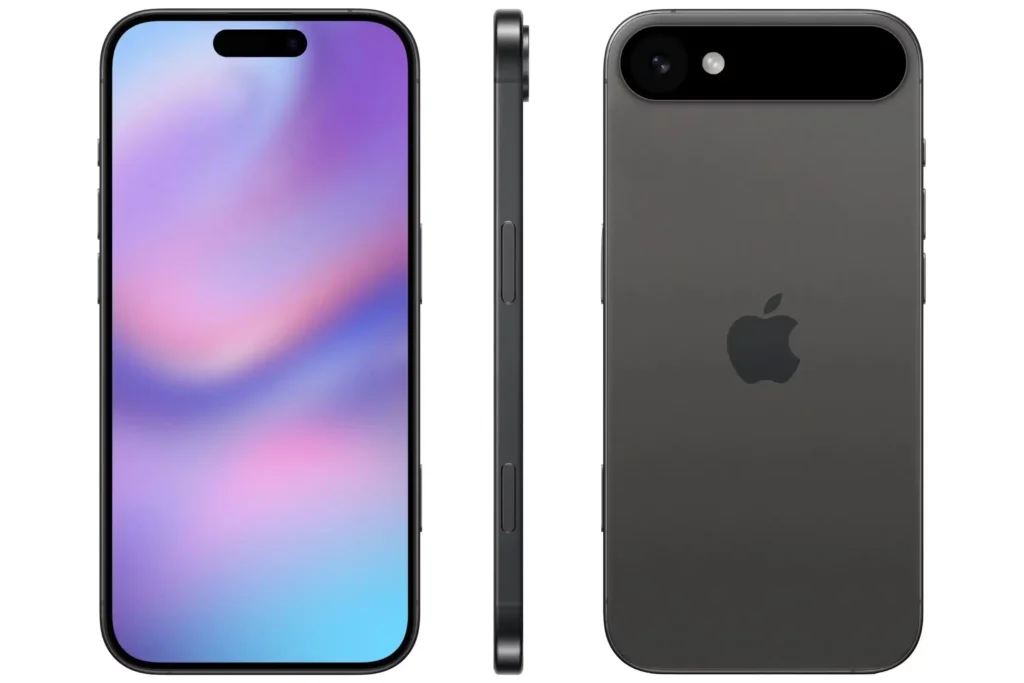
With a groundbreaking 5.6mm profile, a single but dual-sensor camera, and design sacrifices that push the limits of engineering, the iPhone Air isn’t just another iPhone—it’s a statement. But will Apple’s thinnest phone spark another industry-wide trend, or will it remain a niche marvel?
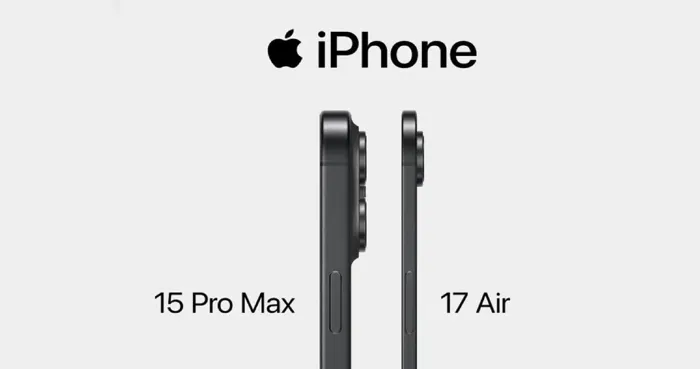
In this comprehensive review, we’ll break down the design, compromises, market context, and consumer impact of the iPhone Air, drawing comparisons to rival brands and past innovations.
A Radical New Approach: Why the iPhone Air Matters
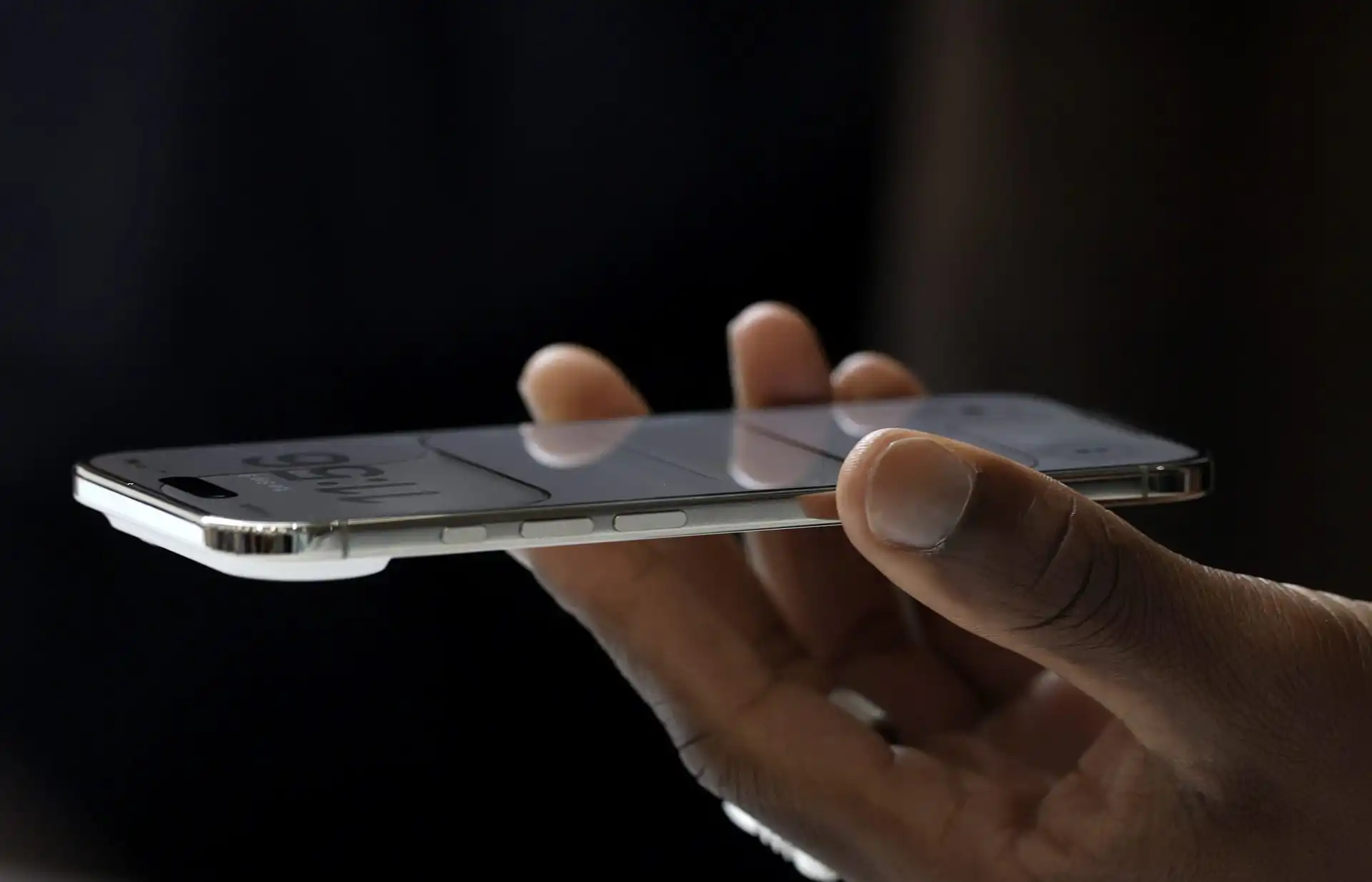
At first glance, the iPhone Air’s slimness is its defining feature. Measuring just 5.6mm, it undercuts nearly every flagship on the market, rivaling ultra-thin experiments from Samsung, Vivo, ZTE, and Honor. But beyond its size, Apple’s newest model raises deeper questions:
- Are consumers ready to embrace thinner but less powerful devices?
- Will competitors rush to replicate this design, just as they copied Apple’s notch or headphone jack removal?
- Does thinner necessarily mean better when it comes to user experience?
Apple seems confident that its loyal fanbase, which accounts for over 27% of global smartphone sales compared to Samsung’s 22% (Statista, 2024), will embrace the trade-offs for a sleek new look.
The Evolution of Ultra-Thin Smartphones
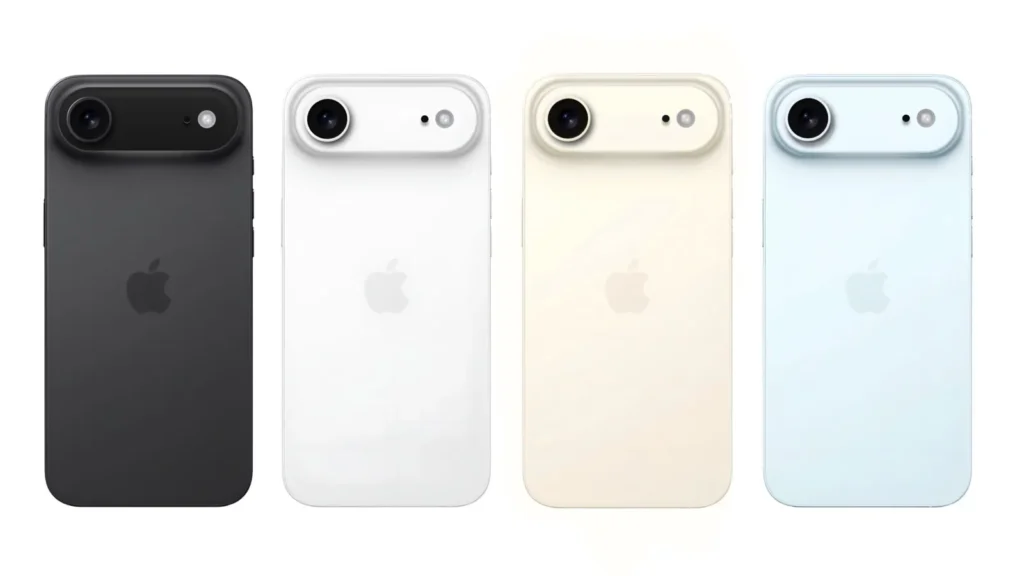
While Apple is marketing the iPhone Air as revolutionary, the truth is that the race for thin phones is not new.
- Vivo X5 Max (2014): Still holds the crown as the world’s slimmest at 4.85mm.
- ZTE Nubia Air (2025): Recently launched at 5.9mm.
- Honor 200 Lite (2024): A lightweight 6.8mm design.
- Samsung Galaxy S25 Edge(2025): Ultra-thin variant from Apple’s biggest rival.


The difference? None of these devices captured the cultural attention that Apple commands. As history shows, when Apple makes a design move, the rest of the industry listens—whether it’s reluctantly following suit or competing with alternative solutions.
What Makes the iPhone Air Unique
So what separates the iPhone Air from other thin devices? Several factors make Apple’s attempt stand out:
1. Single Lens, Dual Sensor Camera
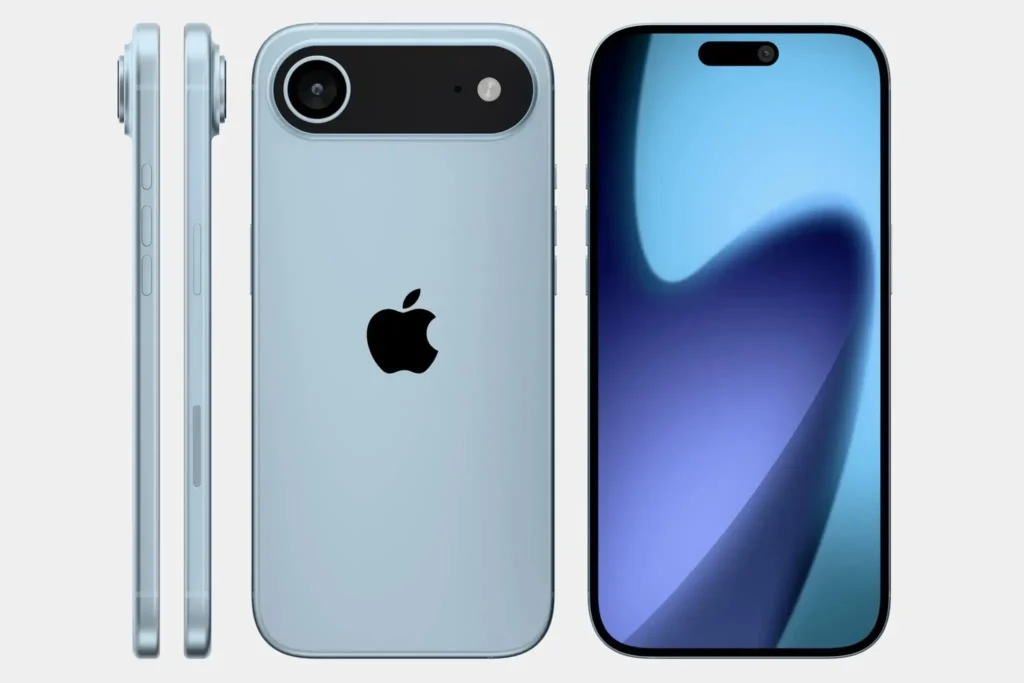
Instead of stacking multiple bulky lenses, Apple redesigned its camera system to fit two sensors into a single module. This bold move reduces space without heavily compromising photo quality.
2. Apple’s Proprietary Connectivity Chip
Abandoning Snapdragon’s 5G modems, Apple built its own lower-power chip. This cut energy consumption but came at the cost of losing support for low-frequency 5G networks.
3. All-in on eSIM
By removing the physical SIM card tray, Apple gained more internal space for battery optimization. U.S. carriers already support eSIM, but in regions where eSIM adoption lags, this could alienate some users.
4. Battery Sacrifices for Thinness
Compared to the iPhone 13 or newer Pro models, the Air’s battery is significantly smaller. Apple claims software optimizations and chip efficiency will offset this—but heavy users may feel the pinch.
5. Minimalist Audio Setup
Instead of stereo speakers, the iPhone Air features a single top earpiece speaker and microphone, sacrificing sound depth for compactness.
Lessons from Apple’s Past Design Shocks
The iPhone Air isn’t Apple’s first gamble. Consider three defining moments:
- 2016 – Headphone Jack Removal: Criticized at launch, but most brands followed within two years.
- 2017 – The Notch: Mocked at first, then widely adopted across Android flagships.
- 2020 – No Charger in Box: A divisive move that competitors eventually copied, citing environmental benefits.
If history is any indicator, the iPhone Air’s slimness could become the next global design standard—even if critics initially complain about weaker batteries or fewer features.
Consumer Psychology: Why People Copy Apple
Why do Samsung, Xiaomi, and even Google often echo Apple’s design choices, despite initial backlash?
- Cultural Influence: Apple products symbolize status, especially in the U.S.
- Market Trust: Apple sells more than 200 million iPhones annually; competitors assume Apple’s risks are calculated.
- Design Ecosystem: Apple’s bold design shifts often integrate seamlessly with its software and accessories, forcing rivals to adapt.
When Apple declares something obsolete—like wired headphones—consumers eventually adjust, and rivals race to keep up.
The Hidden Costs of Going Ultra-Thin
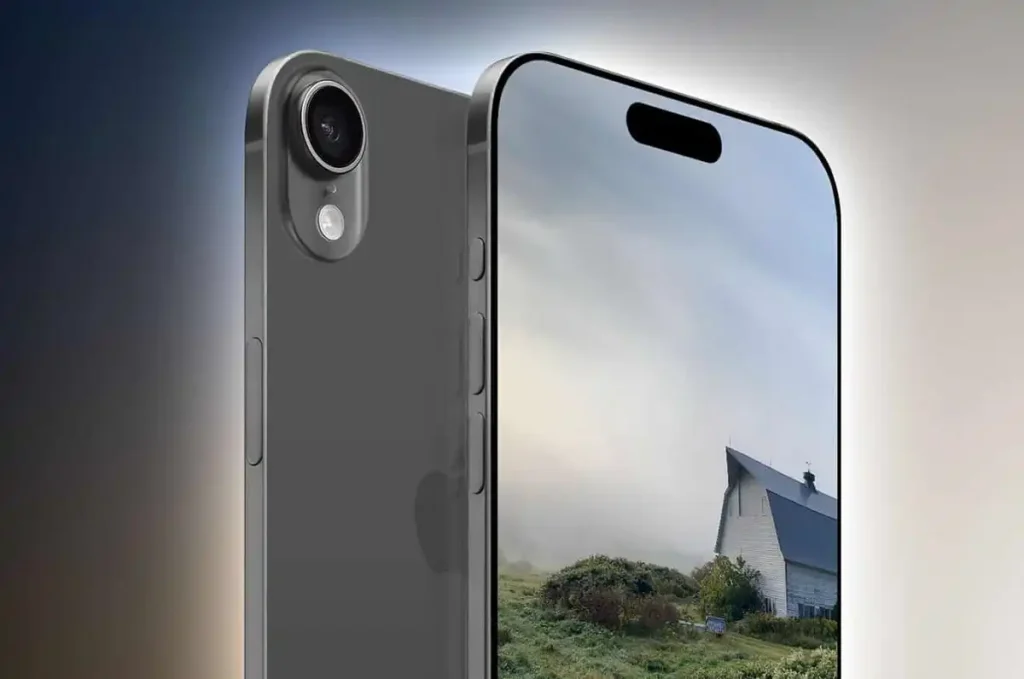
While the iPhone Air is stunning on paper, the sacrifices are real.
Battery Life
Even with optimization, a smaller battery means reduced screen-on time. Gamers, streamers, and power users may find it insufficient compared to bulkier flagships.
Camera Limitations
While innovative, the single dual-sensor lens won’t match the versatility of a triple-lens Pro iPhone. Low-light performance could also be affected.
Connectivity Trade-Offs
Losing support for certain 5G bands could frustrate users in rural or international regions.
Durability Concerns
At 5.6mm, questions about bending, structural integrity, and long-term wear naturally arise. Remember the “Bendgate” controversy of the iPhone 6? The Air could risk repeating history.
Why Apple Still Thinks It’s Worth It
Apple opened its keynote with a quote from Steve Jobs: “Design is not just what it looks like and feels like. Design is how it works.”
By that philosophy, the iPhone Air isn’t meant for power users or gamers. It’s designed for:
- Casual smartphone users who value comfort and portability.
- Everyday photographers who want reliable but not professional-grade shots.
- Minimalists who admire design elegance over maximum features.
Apple knows this segment is massive, especially in urban U.S. markets where style, convenience, and ecosystem matter more than raw performance.
Will Competitors Follow with Thin Phones Again?
Industry experts are divided. Some believe Samsung, Xiaomi, and Oppo will release their own ultra-thin variants to compete. Others think foldables and AI-driven phones will remain the bigger focus.
Still, if the iPhone Air sells tens of millions of units (as early pre-orders suggest), history shows rivals won’t be far behind.
Expert Predictions and Market Outlook
Analysts expect the iPhone Air to:
- Boost Apple’s U.S. sales share by appealing to fashion-conscious buyers.
- Inspire Android OEMs to revisit ultra-thin designs abandoned years ago.
- Spark accessories innovation, from thinner MagSafe chargers to protective cases.
Yet, the phone’s success will depend heavily on consumer tolerance for compromises. If battery complaints dominate early reviews, adoption could stall.
FAQs About the iPhone Air
1. Is the iPhone Air the thinnest phone ever?
No. The Vivo X5 Max (2014) still holds the record at 4.85mm. However, the iPhone Air is Apple’s thinnest ever and among the slimmest modern smartphones.
2. Does the iPhone Air support 5G?
Yes, but not all low-frequency 5G bands. Apple’s custom chip prioritizes efficiency over universal coverage.
3. Will the battery last as long as an iPhone Pro?
No. Expect shorter runtime, though Apple claims optimizations will balance performance for average users.
4. Who should buy the iPhone Air?
Ideal for minimalists, casual users, and fans of sleek, lightweight designs. Not ideal for gamers or heavy multimedia consumers.
5. Will Android brands copy this design?
History suggests yes—if the iPhone Air succeeds commercially.
Final Thoughts: A Risk Worth Taking?
The iPhone Air is more than a new iPhone—it’s Apple’s bet on the future of mobile design. By sacrificing certain specs for elegance, Apple is once again daring to lead where others hesitate.
Whether this gamble pays off depends on consumer response. If buyers embrace the trade-offs, expect a flood of copycat thin phones in 2026. If not, the iPhone Air may become a stylish footnote in Apple’s history—remembered like the iPod Nano or the butterfly keyboard.
Either way, the iPhone Air confirms one thing: Apple still knows how to make the world talk.