
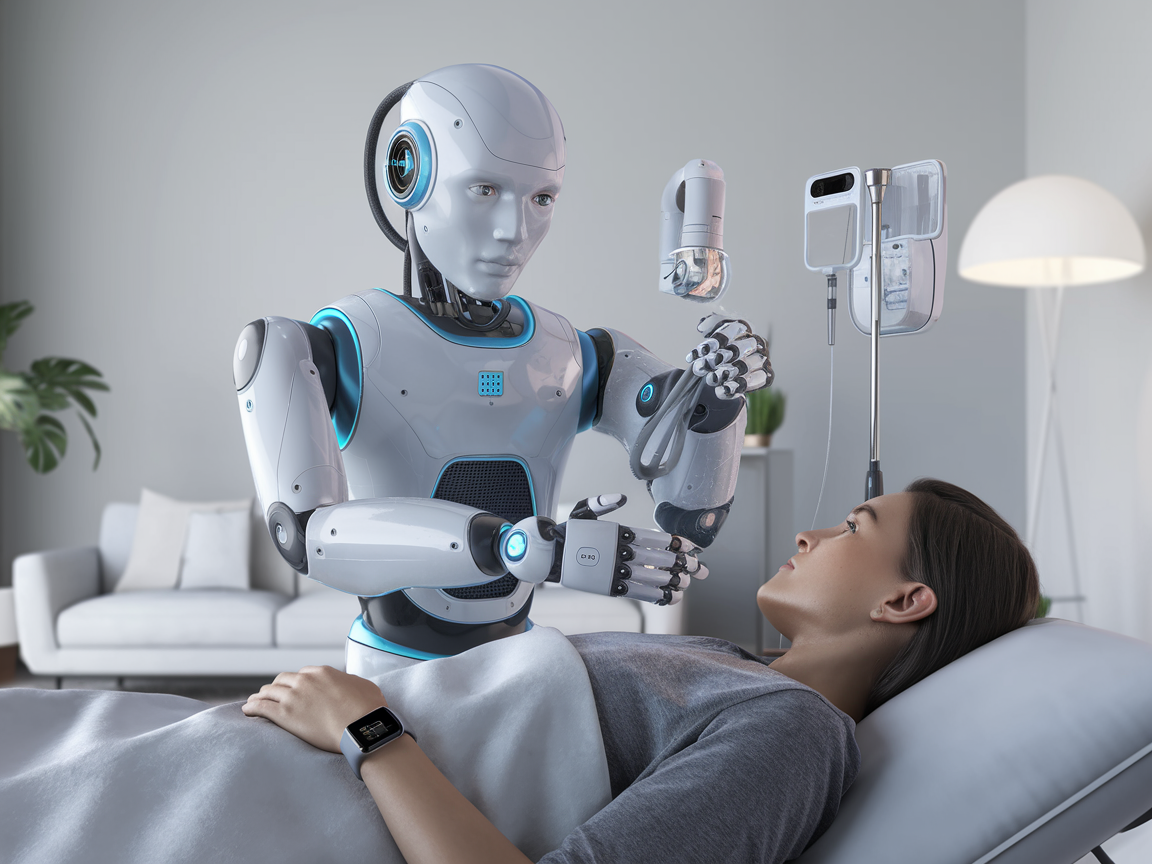
Healthcare technology is changing how we manage health at home. Now, you can track vital signs, keep up with meds, and talk to doctors from your couch. This change moves care from hospitals to smart, easy-to-use systems for daily life.
With new healthcare tech, you can take control of your health like never before. Devices and sensors work with telehealth to keep you connected to doctors while you stay independent. These tools don’t just make things easier; they also make care better and more accessible, right where you are.

Table of Contents
Key Takeaways
- Healthcare technology is moving care from hospitals to home environments.
- New healthcare technology empowers you to actively manage your health daily.
- Remote tools and telehealth connect you directly with medical professionals.
- At-home solutions prioritize both convenience and high-quality medical outcomes.
- Technology now lets you monitor health data continuously and securely.
The Evolution of Healthcare Technology in the Home Setting

Healthcare tools at home have changed a lot over time. What started with simple devices like thermometers has grown into advanced systems. These changes show how healthcare technology trends focus on making things easier and more accessible for you.
From Basic Tools to Sophisticated Systems
At first, home healthcare used manual tools. Now, we have smart devices like Withings’ body composition scales and Philips’ sleep monitors. These devices send data to apps, giving you instant insights. Technological advancements in healthcare let you share this data with your doctor easily.
How the Pandemic Accelerated At-Home Healthcare Solutions
COVID-19 led to quick changes. Hospitals started using telehealth platforms like Teladoc. Home testing kits and pulse oximeters became common. The CDC said telehealth use went up by 300% by 2020. This showed how effective home care can be, even after the pandemic.
The Growing Consumer Demand for Home-Based Care
Now, you want technology that fits your life. Wearables from Fitbit and Apple Watch track your health. A 2023 survey by Deloitte found 70% of patients prefer home care. This demand pushes companies to make devices that are easy to use and fit into your daily life. Healthcare technology trends now aim for designs that are intuitive and use AI for better insights.
Remote Monitoring Systems Transforming Patient Care

Imagine a healthcare team watching over you 24/7 from afar. Remote monitoring systems, powered by innovations in healthcare technology, make this real. They use sensors to track your heart rate, blood sugar, or oxygen levels without a clinic visit.
Data flows in real time to your doctor’s dashboard. This alerts them instantly if something’s wrong.
Systems like Medtronic’s Sugar.io glucose monitor or Philips’ HealthSuite platform let you manage conditions at home. For example, if your blood pressure spikes overnight, your care team gets notified. They can act before a crisis happens.
Studies show these tools cut hospital readmissions by up to 30% by catching issues early.
- Continuous glucose monitors alert users and providers to dangerous blood sugar levels
- Wireless ECG patches track heart rhythms for weeks at a time
- Pulmonary monitoring systems detect breathing patterns in sleep apnea patients
These systems let you stay in familiar surroundings while managing chronic conditions. Medicare now covers many devices, making them accessible to seniors. By combining AI analysis with wearable sensors, these innovations create a safety net that adapts to your health needs.
The result? Fewer ER visits, better condition management, and peace of mind knowing your health data is always visible to those who can help.
Wearable Medical Devices: Your Personal Health Assistant
Imagine a device that watches over your health all day, every day. Wearable medical devices are changing how we take care of ourselves. They make everyday items into powerful health tools.
Continuous Health Tracking Capabilities
Devices like the Apple Watch Series 9 or Fitbit Sense track your vital signs. They monitor heart rate, blood oxygen, and sleep. Even advanced new healthcare technology checks skin temperature and menstrual cycles.
The Whoop Strap 4.0 uses algorithms to measure recovery. It helps you find the right balance between rest and activity.
Early Detection and Prevention Features
Wearables can spot serious health issues early. The Abbott FreeStyle Libre 3 alerts you to blood sugar changes, key for diabetes control. Devices like the AliveCor KardiaMobile ECG app find heart rhythm problems, like atrial fibrillation.
These medical technology examples are like early warning systems. They make prevention a part of your daily routine.
Integration with Healthcare Provider Systems
Your wearable’s data goes straight to healthcare platforms like Epic or Cerner. For example, Medtronic’s MiniMed 780G insulin pump connects to a mobile app. This lets doctors adjust treatment plans remotely.
This integration means your care team always has the latest information. It turns raw data into effective health plans.
“Wearables bridge the gap between daily life and clinical care, empowering patients to take charge while keeping providers in the loop.” — Dr. Sarah Johnson, Johns Hopkins Telehealth Institute
Telehealth Innovations Bringing the Doctor to Your Living Room
Telehealth has grown beyond simple video calls with doctors. Innovations in healthcare technology now offer full care from home. Platforms like Teladoc and Amwell use AI for remote exams. You can check your heart rate or get skin checks without leaving your house.
- Virtual specialist consultations for conditions like cardiology or neurology
- Digital diagnostic tools for real-time blood pressure and glucose monitoring
- Emergency triage systems that prioritize urgent cases instantly
| Traditional Care | Telehealth Benefits |
|---|---|
| 2-hour clinic visit | 15-minute virtual consult |
| Requires travel to facilities | Accessible via smartphone or tablet |
| Limited specialist availability | Connect with providers nationwide |
| Paper records | Cloud-based health records synced in real time |
Today’s healthcare technology uses AI to check symptoms. Babylon Health’s AI can analyze symptoms and guide you. Secure platforms connect you with mental health experts or primary care doctors. This means people in rural areas can see specialists in big cities.
With 68% of U.S. hospitals now using telehealth, this change is here to stay. It’s not just convenient—it’s the new norm.
AI and Machine Learning: The Brains Behind Modern Healthcare Technology
Today’s technological advancements in healthcare rely on artificial intelligence and machine learning. These technologies transform health data into useful insights. This makes healthcare technology trends more tailored and proactive than before.
Predictive Analytics for Preventive Care
Your smartwatch can now predict health risks, not just track steps. AI analyzes data from devices like Apple Watch or Fitbit. It spots early signs of diabetes, heart disease, or sleep disorders.
For example, predictive analytics can detect irregular heart rhythms before symptoms show. This gives you time to seek early treatment.
Personalized Treatment Recommendations
AI systems like Ada Health’s symptom checker offer personalized care plans. They use your medical history and lifestyle to make recommendations. This means no two treatment plans are the same.
Your AI advisor will adapt as you do. It considers genetics and real-time health metrics to match your unique needs.
AI-Powered Diagnostic Tools for Home Use
Tools like AliveCor’s KardiaMobile and SkinVision bring clinic-level analysis to your home. They use machine learning to compare your data with millions of medical cases. This gives you insights once only available in clinics.
| Tool | Purpose | Brand |
|---|---|---|
| KardiaMobile | ECG analysis for heart arrhythmia detection | AliveCor |
| SkinVision | Mole scanning and skin cancer risk assessment | SkinVision |
| Ada Health | Symptom analysis and personalized health advice | Ada Health |
These innovations mark a shift toward healthcare technology trends that focus on accessibility and precision. AI helps predict risks and guide treatment choices. This ensures you stay healthier for longer.
Smart Home Integration: Creating a Health-Conscious Environment
Your home can be a health partner with new healthcare technology. It makes daily life better. Smart systems blend convenience with care, fitting your health needs perfectly.
Voice-Activated Health Assistants
Imagine telling your voice assistant to order meds or book a telehealth visit. Amazon Alexa and Google Home now have health skills. They can:
- Remind you to take meds with voice alerts
- Activate emergency systems with just your voice
- Give you health info fast with voice queries
These are great medical technology examples. They show how tech helps with health every day.
Environmental Monitoring for Optimal Health
Devices like Philips Hue air quality sensors or Nest Thermostat check your home’s health impact. They track:
- Air quality (allergy triggers, pollution levels)
- Temperature and humidity for breathing health
- Lighting to help sleep
These systems alert you in real-time. They help manage conditions like asthma or COPD.
Medication Management Systems
Don’t miss doses with smart dispensers like MedMinder. These new healthcare technology tools:
- Give out pills on time
- Notify caregivers if doses are missed
- Order refills automatically
“Integrated systems reduce hospital readmissions by 23% for chronic disease patients,” reported the Journal of Medical Systems in 2023.
These innovations make a health-focused home. They keep you independent while caring for your health.
Overcoming Barriers to Technological Advancements in Healthcare
While healthcare technology offers big benefits, cost, access, and privacy can slow it down. These hurdles might leave some people behind in the push for healthcare technology trends. Let’s look at how these problems are being tackled to make sure everyone moves forward together.
- Cost and Access: High costs and limited internet in rural areas create a gap. The FCC’s Affordable Connectivity Program helps by covering broadband costs.
- Privacy Concerns: Keeping health data safe is key. Encryption and following HIPAA rules protect your info when using devices like glucose monitors or AI diagnostics.
- Regulatory Hurdles: The FDA quickly approves safe tools, so you can get the latest without risking your health.
- Adoption Resistance: Training and easy-to-use designs are making it simpler for patients and providers to use tools like telehealth platforms.
“Technology must serve people, not the other way around,” says the World Health Organization, highlighting the need for design that puts people first in healthcare tech.
There are efforts to make sure healthcare technology improves care, not replaces it. This means you get tools like remote monitoring without losing the personal touch of doctor-patient relationships. As these solutions grow, the goal stays the same: making sure everyone can use them safely and easily.
Conclusion: Embracing the Future of At-Home Healthcare Technology
Healthcare technology is changing how we manage our health at home. Now, we can use wearable heart monitors and AI apps. These tools help us track our health, talk to doctors online, and catch problems early.
Choosing the right tech starts with knowing what you need. Look into devices like continuous glucose monitors or apps like Teladoc. Talk to your doctor to make sure it fits your health goals. Pick devices that work with your current care plan.
These new tools put you in control of your health. As technology gets better, it will offer even more personalized help. Using these tools means you can take care of yourself at home while staying in touch with experts. The future of healthcare is all about making it easy and effective for you.
FAQ
What are some key advancements in at-home healthcare technology?
Advances include remote monitoring and wearable devices. Telehealth and AI tools are also key. These technologies improve care at home and help you manage your health better.
How has the pandemic influenced the adoption of home-based healthcare?
The pandemic made home healthcare more popular. Telehealth and remote monitoring have become more accepted. Healthcare providers now offer more virtual services and at-home care than before.
What are the benefits of using wearable medical devices?
Wearables monitor your health continuously. They track vital signs and alert you to health issues early. This means you can act quickly without needing to visit a doctor.
How does telehealth change the way you receive medical care?
Telehealth brings doctors to you, making care more convenient. You can get consultations and mental health services from home. This saves time and makes healthcare more accessible.
What role does artificial intelligence play in healthcare technology?
AI helps diagnose health issues at home. It analyzes your data to suggest treatments. This makes your healthcare more personalized and effective.
What are some smart home technologies that support health management?
Smart home tech includes voice assistants and air quality monitors. There are also tools for managing medication. These technologies create a healthy environment at home.
What are the barriers to accessing healthcare technology at home?
Cost, internet access, and knowing how to use technology are barriers. Privacy and data security concerns also hold people back.
How can I ensure the security of my health data when using healthcare technology?
Use strong passwords and two-factor authentication. Regularly check your privacy settings. Choose brands that focus on data protection.
How do I start incorporating healthcare technology into my health management?
Talk to your doctor about what technology is right for you. Think about your health goals and what technology can help. This will help you find the best technology for your needs.


Here is my website – https://cryptolake.online/crypto7
Magnificent beat ! I wish to apprentice at the same time as you amend your web site, how can i subscribe for a blog site? The account aided me a appropriate deal. I had been a little bit familiar of this your broadcast provided brilliant transparent concept
Thank you so much for your interest!
If you’d like to stay updated with all my latest posts, feel free to subscribe using the form at the bottom of the site. Just enter your email and you’ll receive notifications whenever something new is published. I truly appreciate your support!
Wow, wonderful blog format! How long have you ever been blogging for? you made blogging look easy. The overall look of your web site is excellent, as neatly as the content!
Thank you so much for the kind words .. that’s great to hear!
This internet site is my inhalation, really superb layout and perfect subject material.
Thank you so much for your incredibly kind words! We’re truly honored to be your go-to resource and are thrilled that you appreciate both the design and the content. That’s exactly what we strive for — quality and clarity in every post.
Just about all of what you claim is supprisingly precise and it makes me ponder why I had not looked at this in this light before. This particular piece really did switch the light on for me personally as far as this particular subject goes. But at this time there is actually one particular position I am not too comfy with and whilst I try to reconcile that with the central idea of your issue, permit me see exactly what the rest of the subscribers have to point out.Very well done.
Hello.This post was really interesting, particularly since I was looking for thoughts on this matter last Tuesday.