

The Google Ecosystem for the Smart Home is evolving rapidly in 2025, with groundbreaking innovations powered by artificial intelligence, next-generation Nest devices, and deeper integration with Gemini. From redesigned smart speakers and interactive displays to AI-enhanced security systems and cutting-edge energy management, Google is reshaping how connected homes function in the U.S.
This article dives deep into the seven most important upgrades across the Google Smart Home ecosystem, explains how they work, compares them to competing platforms like Amazon Alexa and Apple HomeKit, and outlines what these changes mean for homeowners looking to future-proof their living spaces.
1. Smart Speakers: Beyond “Hey Google”
Google’s line of Nest speakers has always been central to its smart home ecosystem. In 2025, the company is preparing a new generation of smart speakers powered by Gemini AI.
Current Models
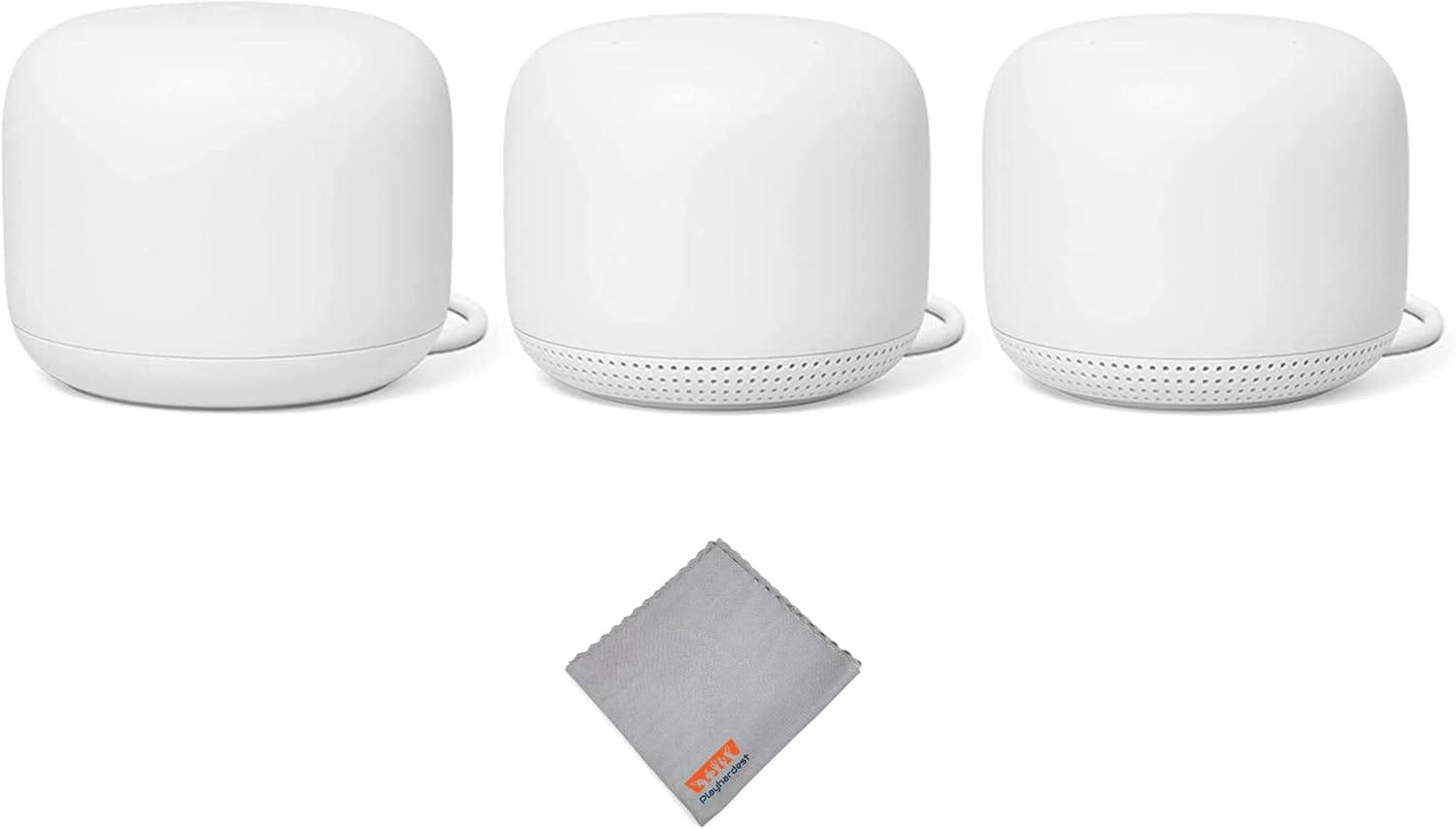
Nest Mini (2nd Gen, 2019): A compact, affordable speaker perfect for bedrooms and small spaces.
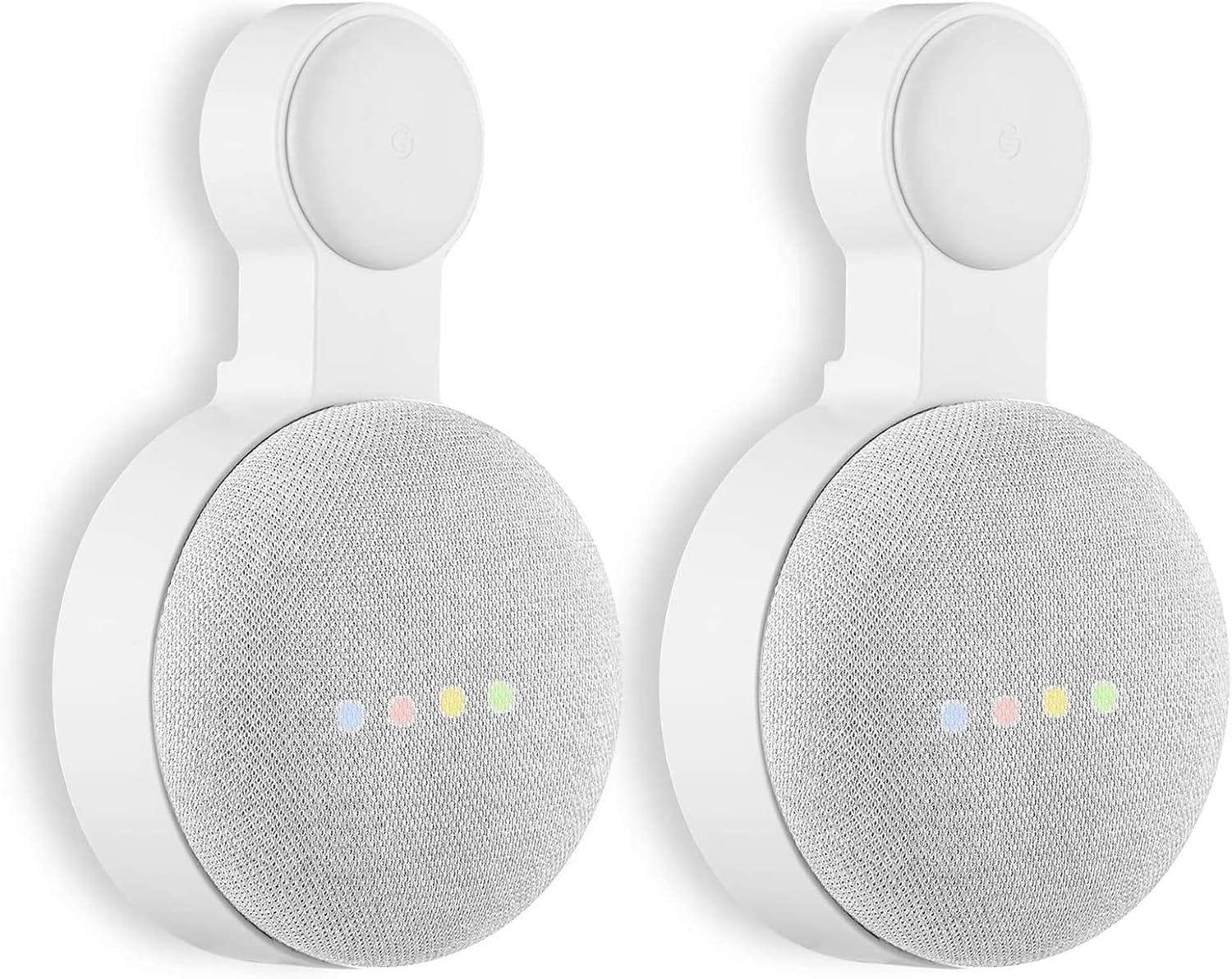
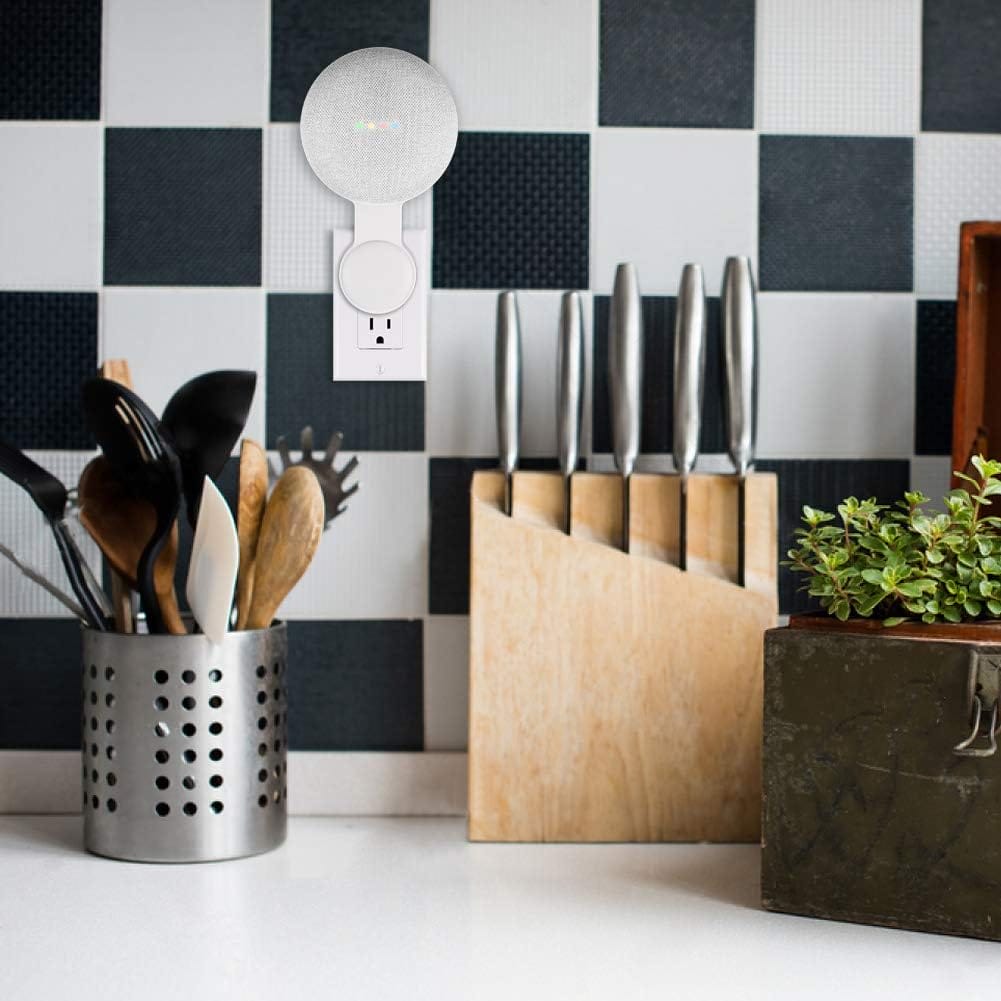


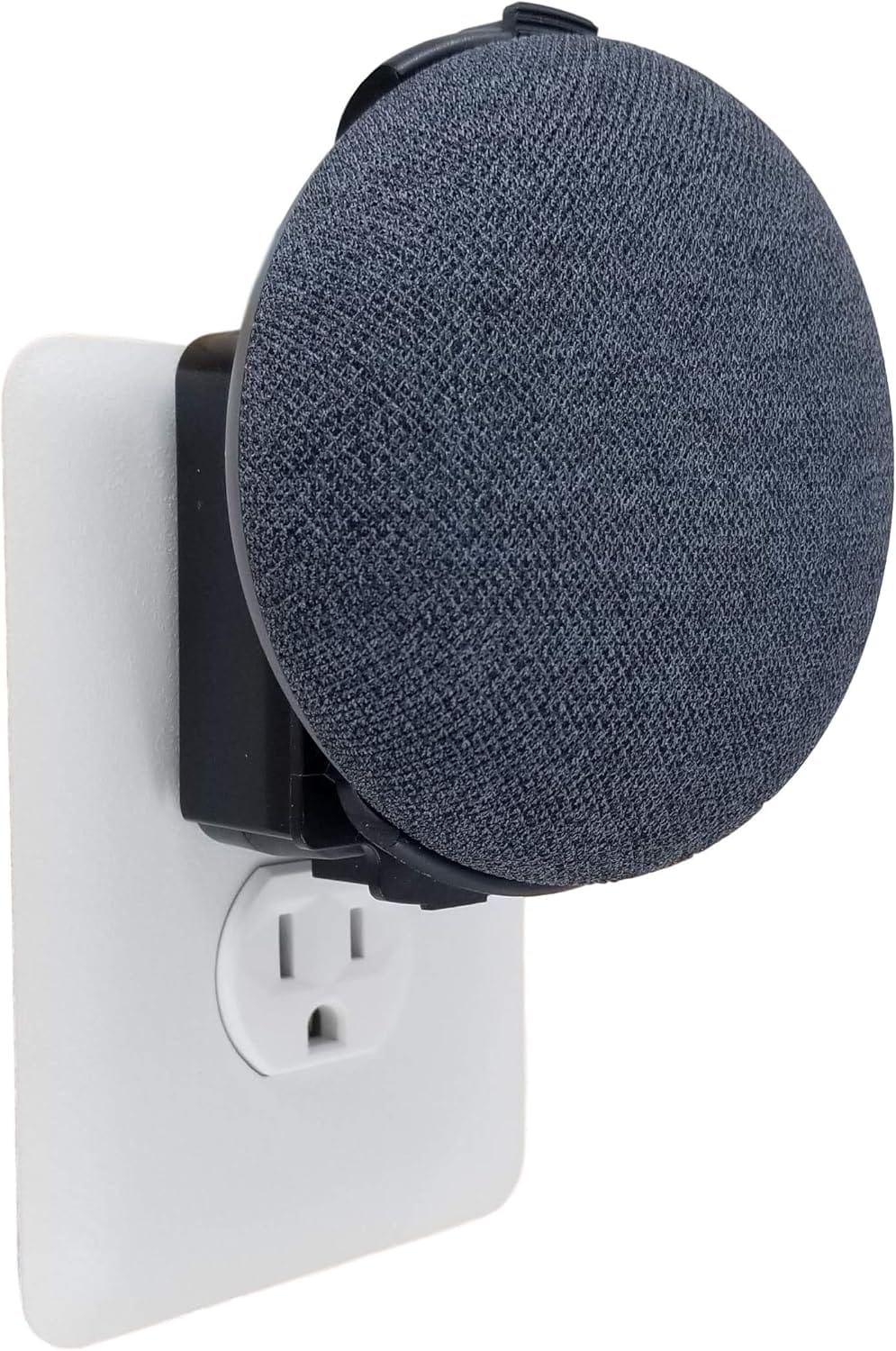

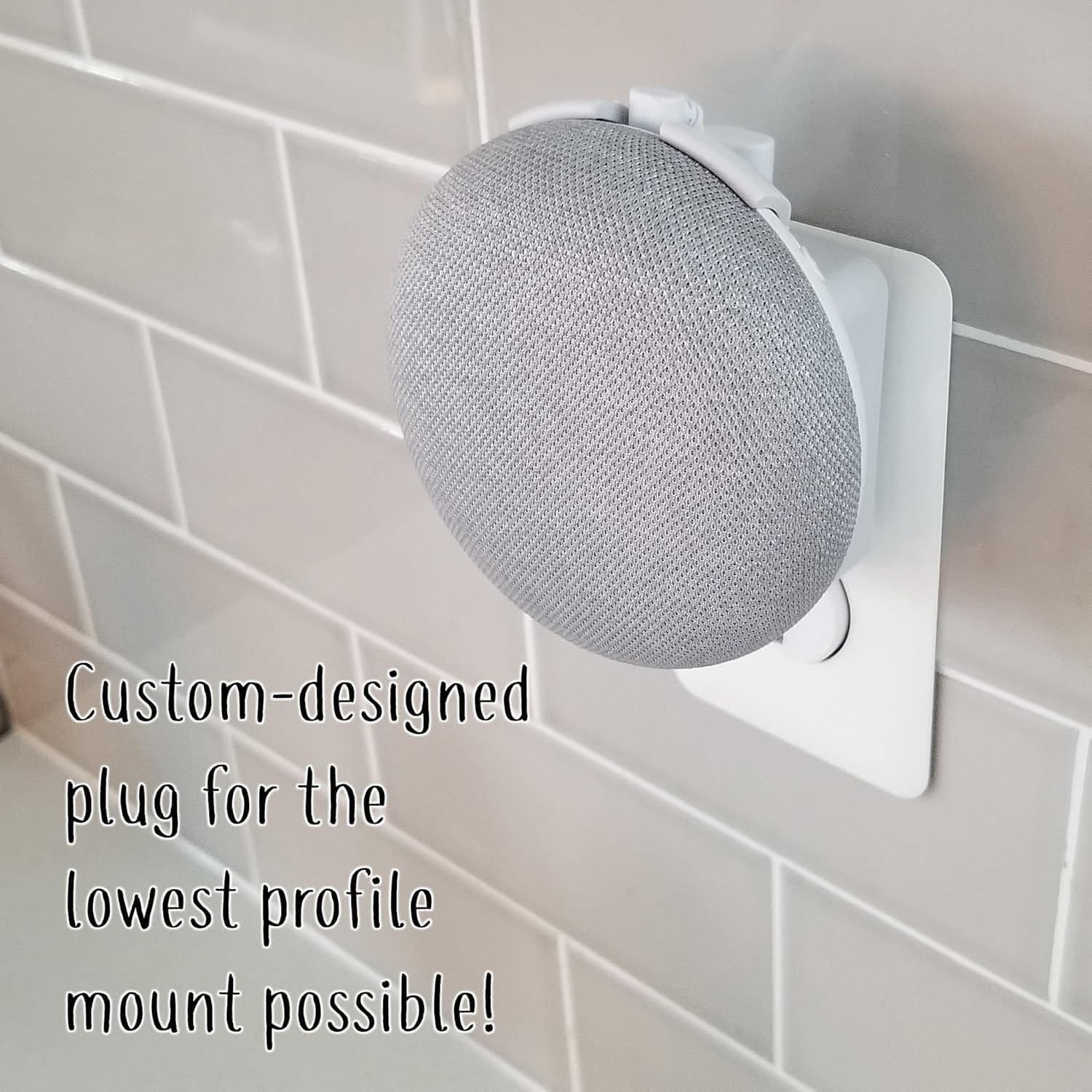
The Nest Mini Easy Genie Mount 2nd Gen
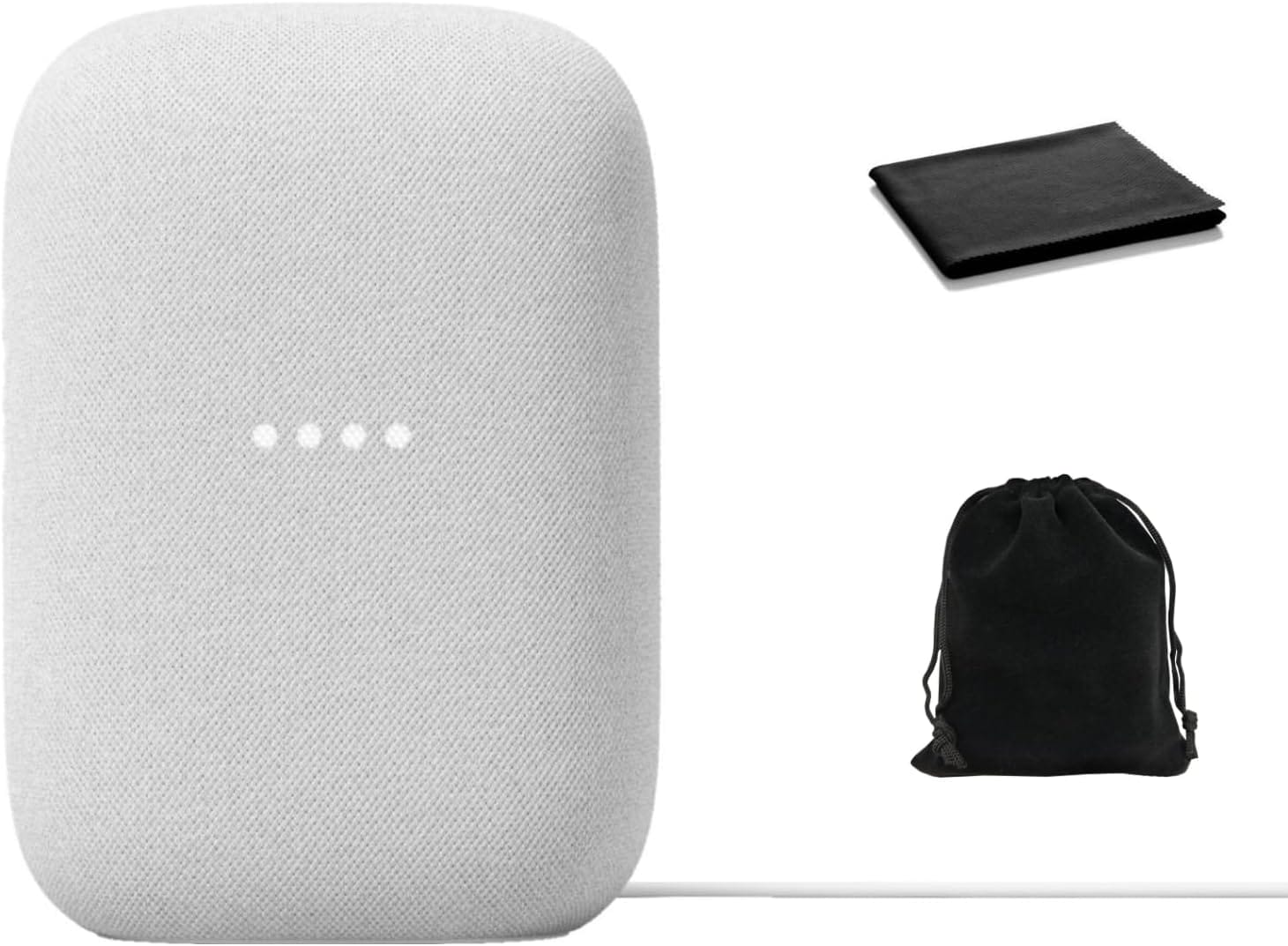
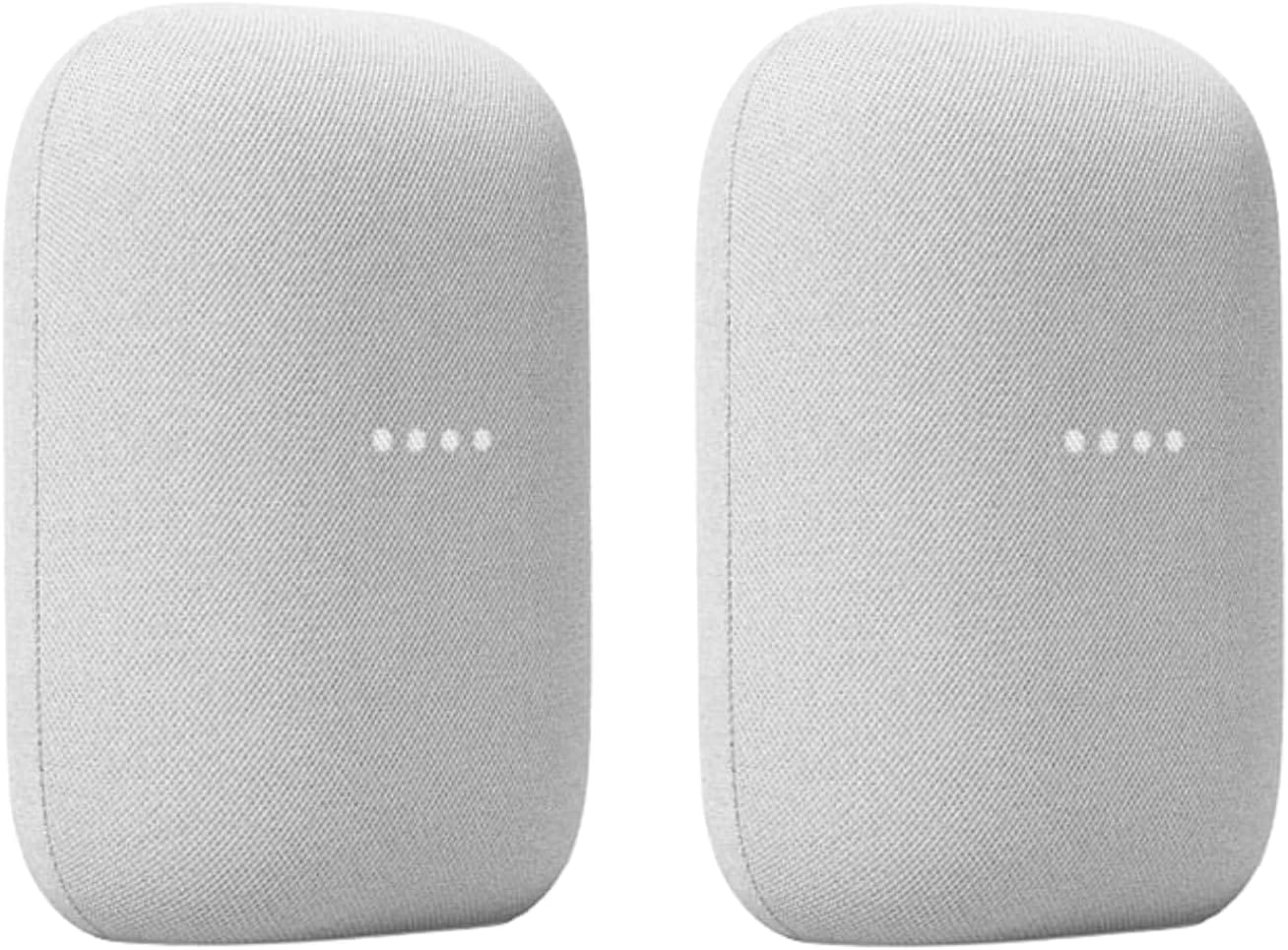
Nest Audio (2020): A mid-range speaker offering rich, powerful sound at a budget-friendly price point.
What’s Next in 2025?
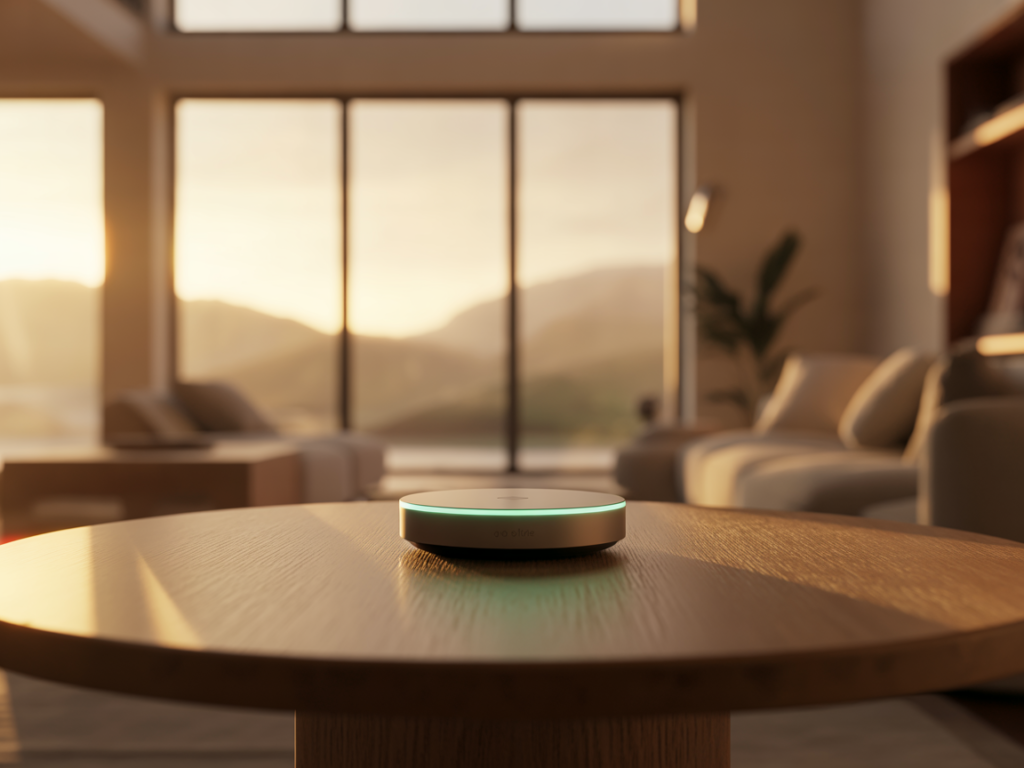
Rumors suggest Google is developing a cylindrical smart speaker with an LED ring that takes AI integration to the next level:
- Conversational AI with Gemini: No more repeating “Hey Google.” Instead, natural, back-and-forth conversations will make controlling your home feel more human.
- Smart Sound Detection: Ability to recognize breaking glass, smoke alarms, or unusual sounds—without requiring a paid subscription.
- Wireless Soundbar Mode: Doubles as a TV soundbar, reducing the need for extra hardware.
📊 Statista reports that 74% of U.S. households will own at least one smart speaker by 2025, making this an essential upgrade in the race against Amazon Echo devices.
2. Smart Displays: Control Centers for the Home
Smart displays are becoming more than just hubs—they’re evolving into visual control centers powered by AI.
Current Devices
Nest Hub (2nd Gen, 2021): A 7-inch screen with Soli radar for gesture controls and sleep tracking.
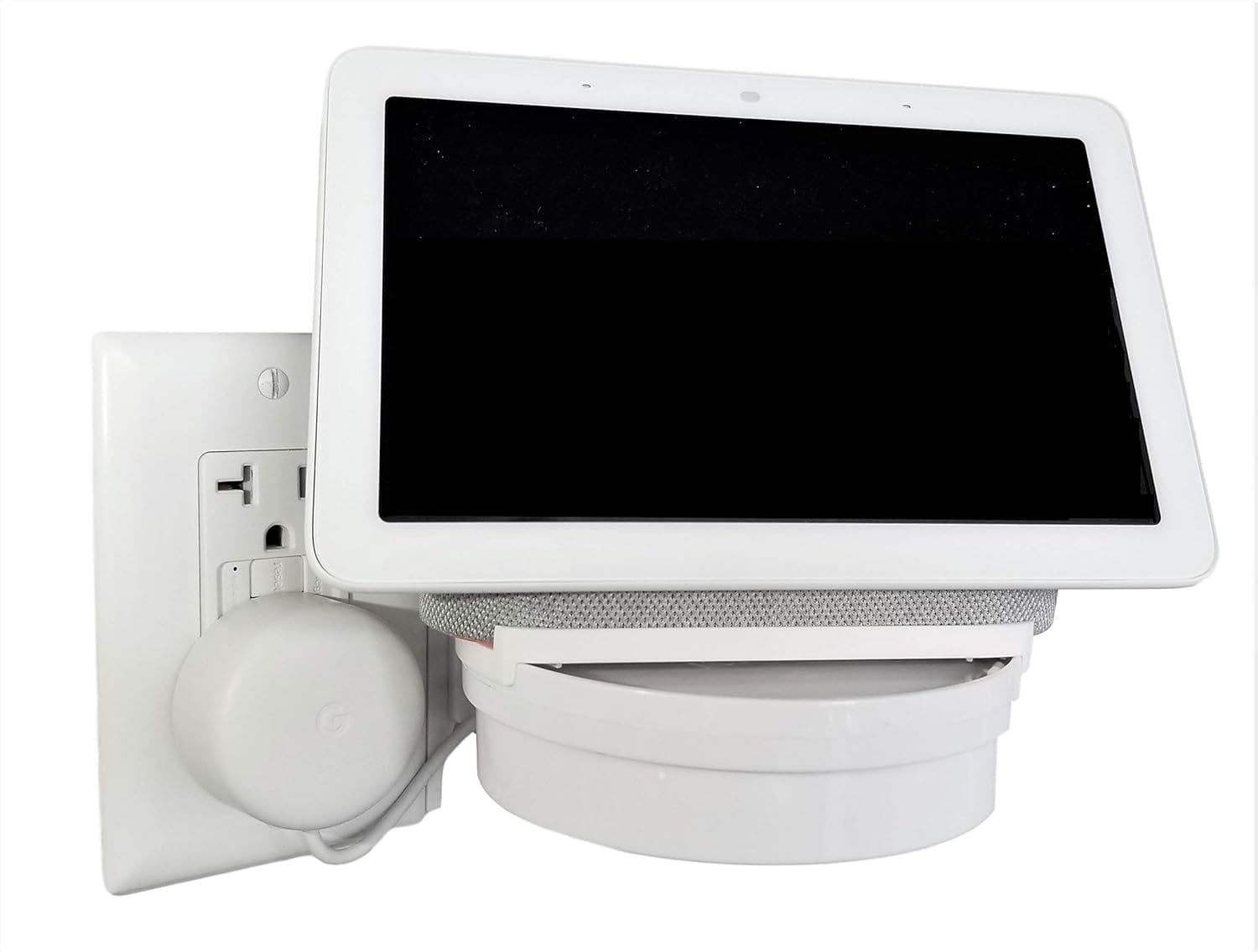
Nest Hub Max (2019): A 10-inch display with a camera for video calls and face recognition.
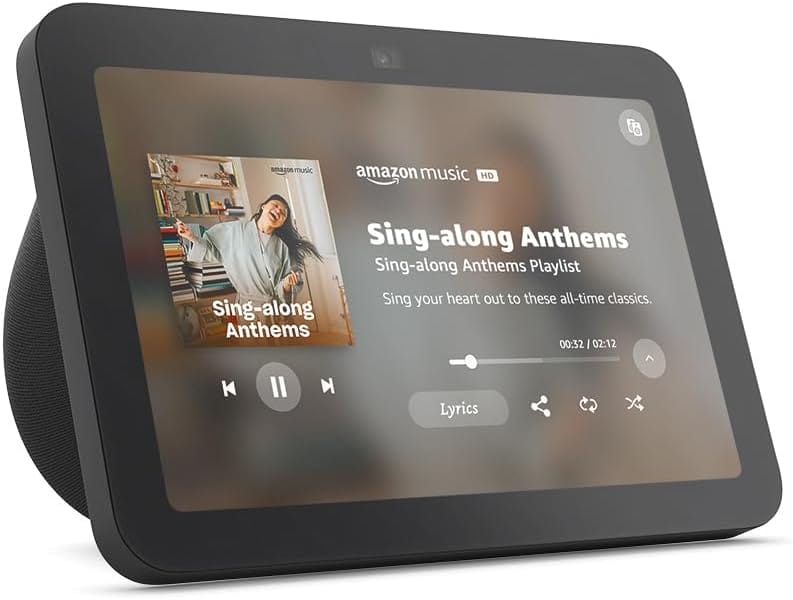

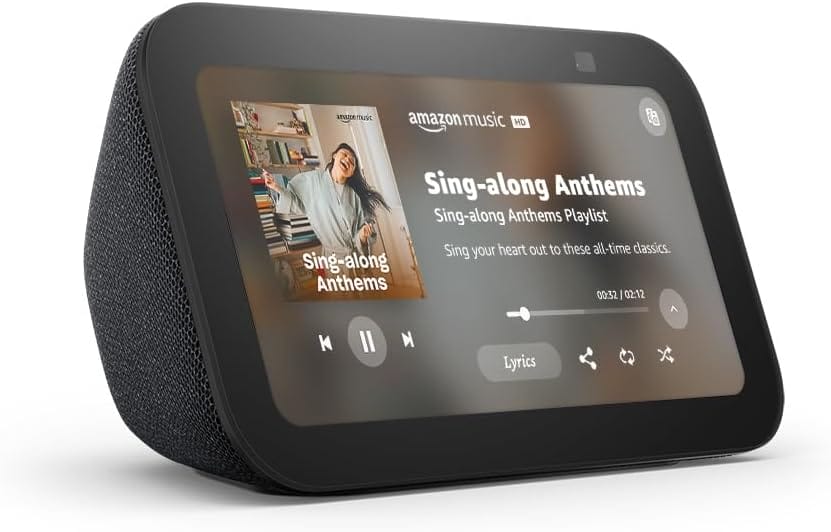
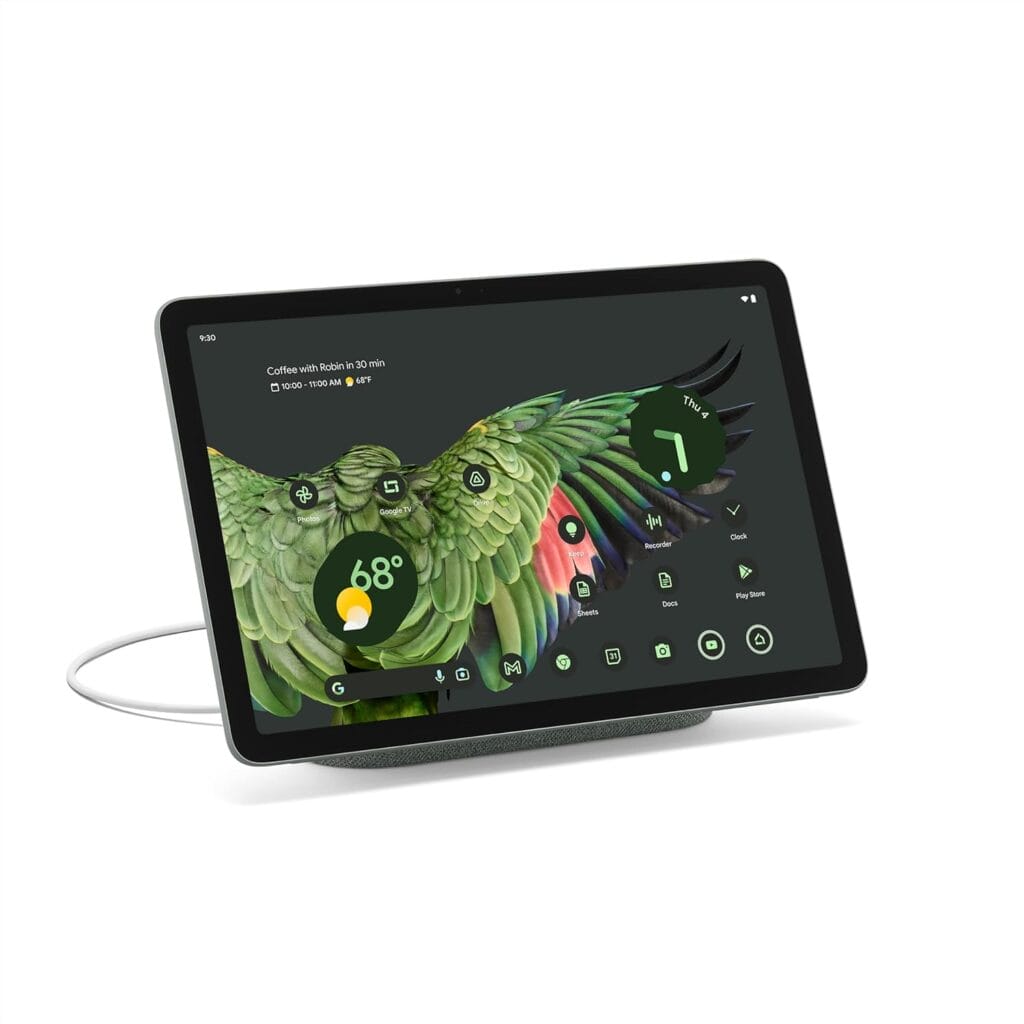
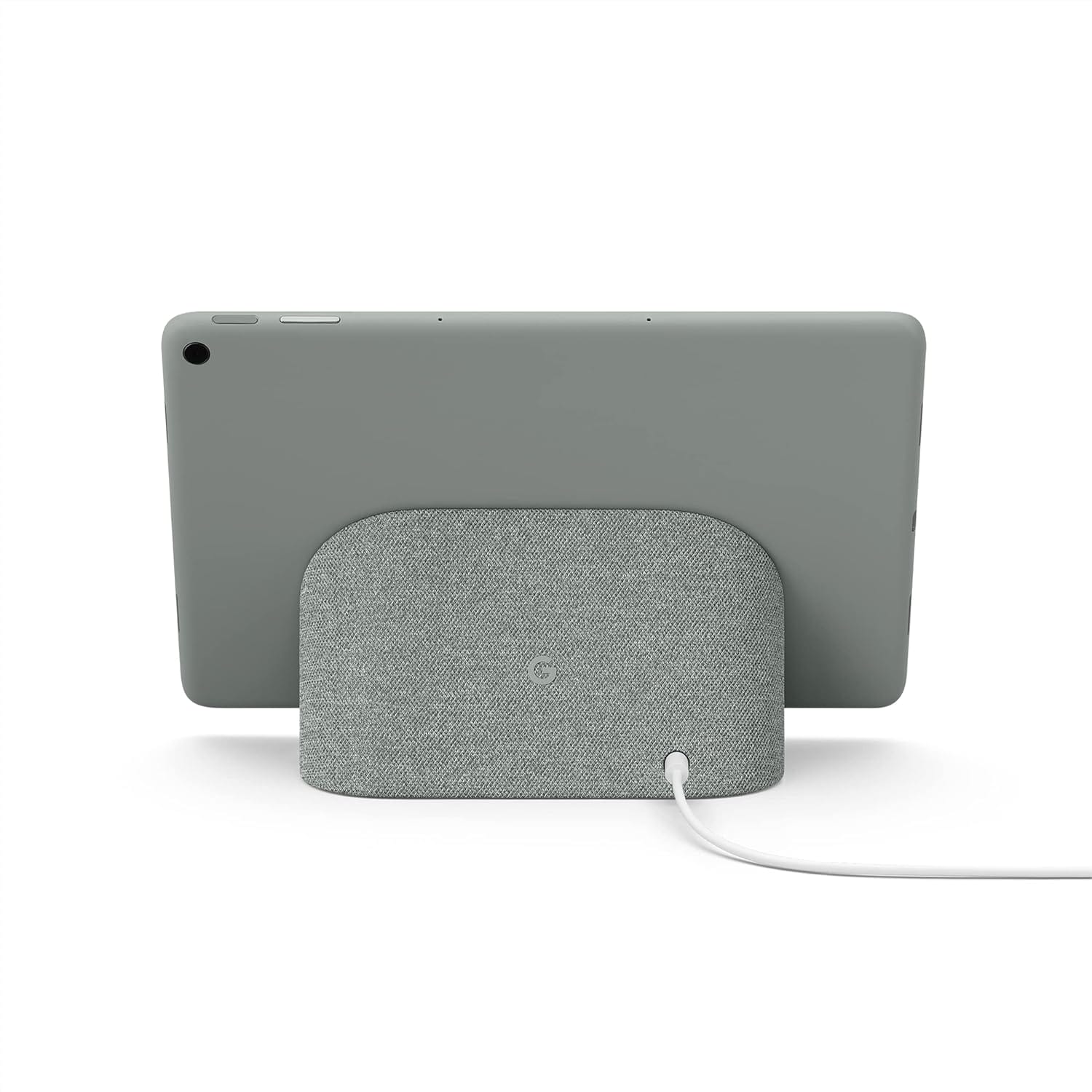
Pixel Tablet + Dock: Functions as both a tablet and a home hub when docked.

Expected in 2025–2026
- Successor to the Nest Hub Max: Rumored to feature a higher-resolution display, slim bezels, and Gemini-powered contextual voice + touch commands.
- Advanced Sleep & Wellness Tracking: Using AI to provide proactive health recommendations.
- Matter/Thread Hub Integration: Ensuring seamless communication across all smart devices, regardless of brand.
Compared to Amazon’s Echo Show, Google is placing a heavy bet on AI-driven personalization, rather than just entertainment.
👉 Related Reading:
3. Security: Smarter Cameras and Doorbells
Security is a top priority for U.S. households, and Google Nest has been aggressively improving its camera lineup.
Current Lineup
Nest Cam (Battery): Works indoors or outdoors, recognizes people, animals, and vehicles locally without cloud processing.
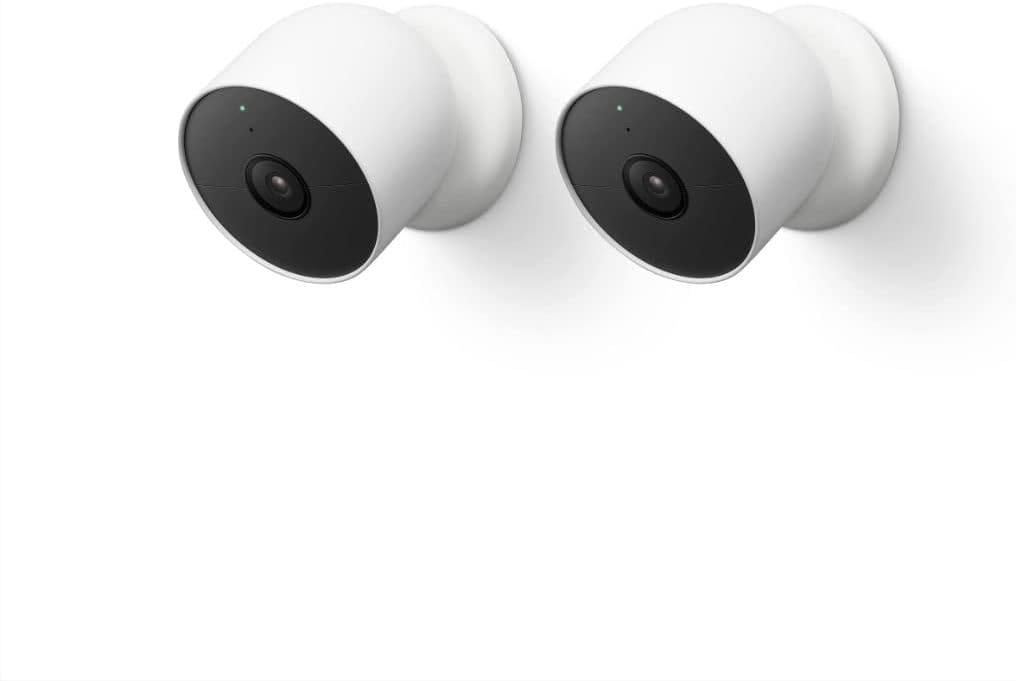
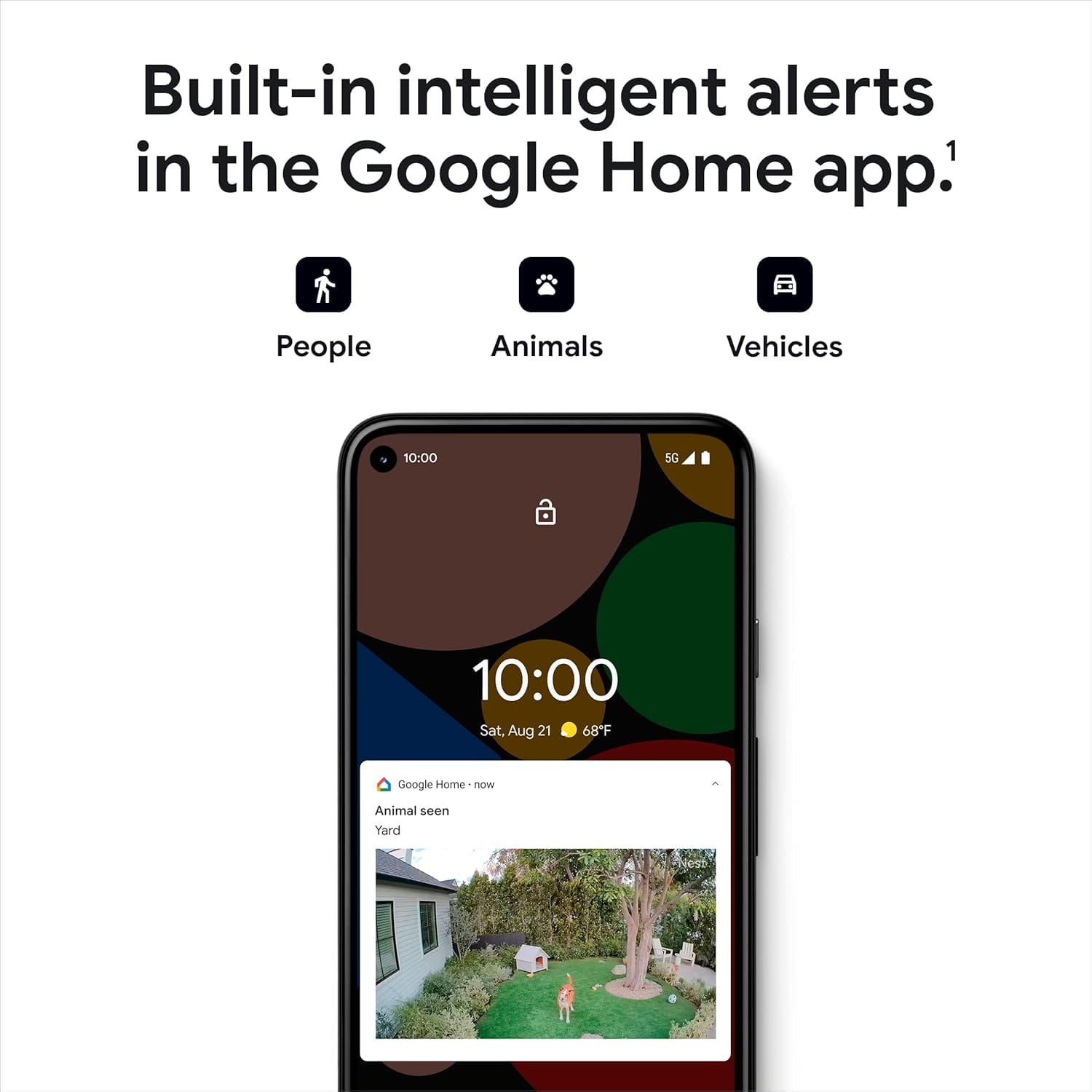
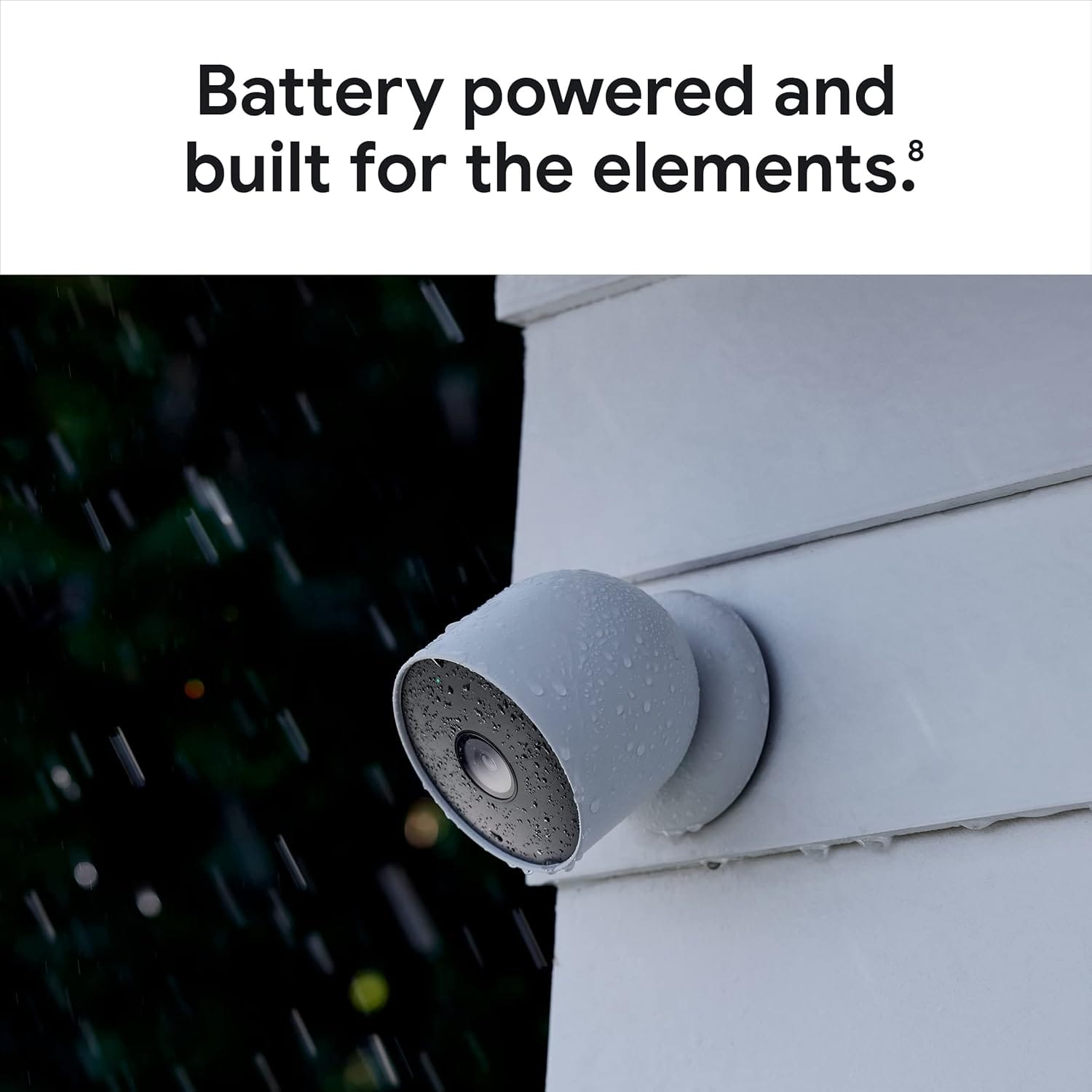
Google Nest Cam Outdoor or Indoor, Battery – 2nd Generation – 2 Count (Pack of 1)
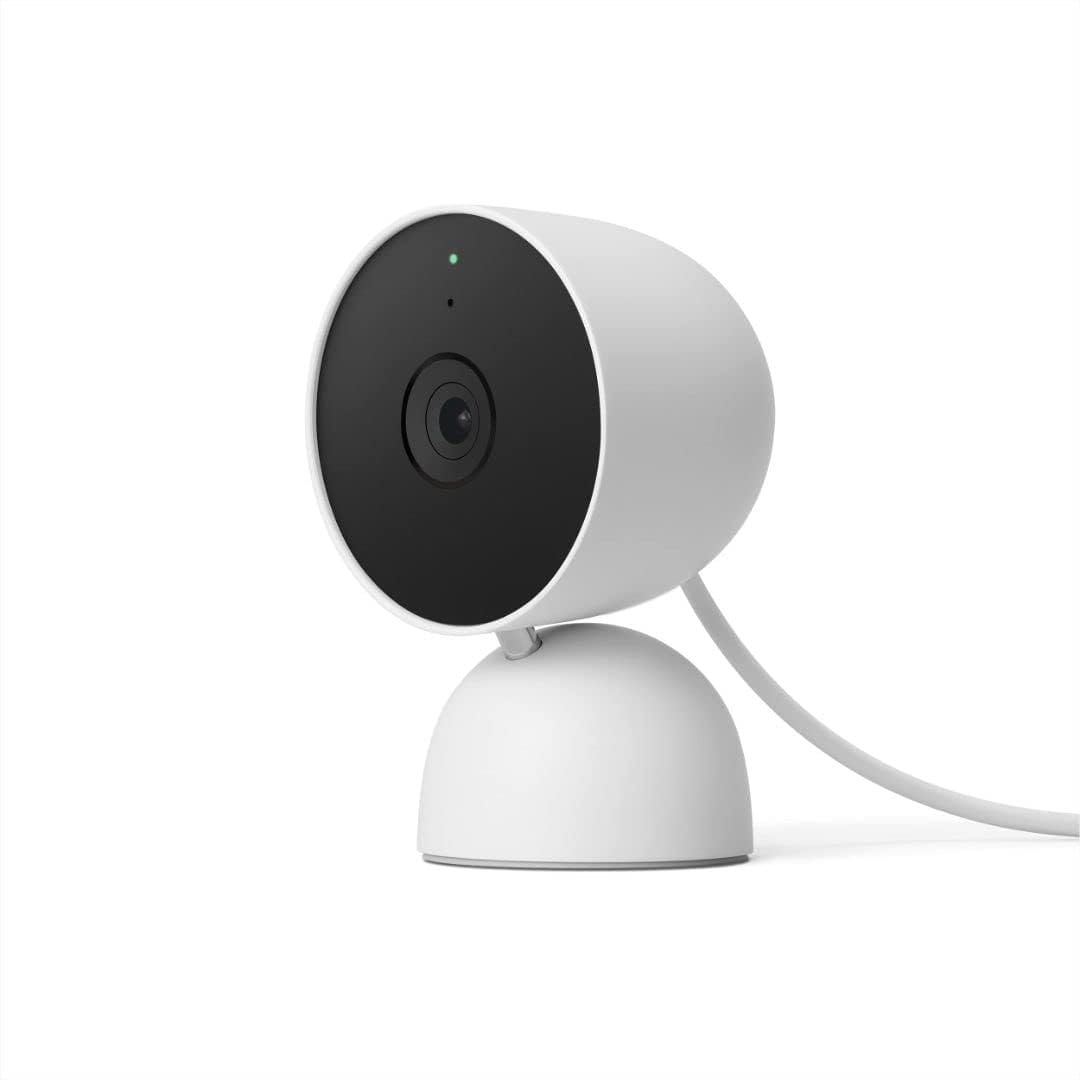
Nest Cam (Wired): A cheaper indoor option with multiple color choices.
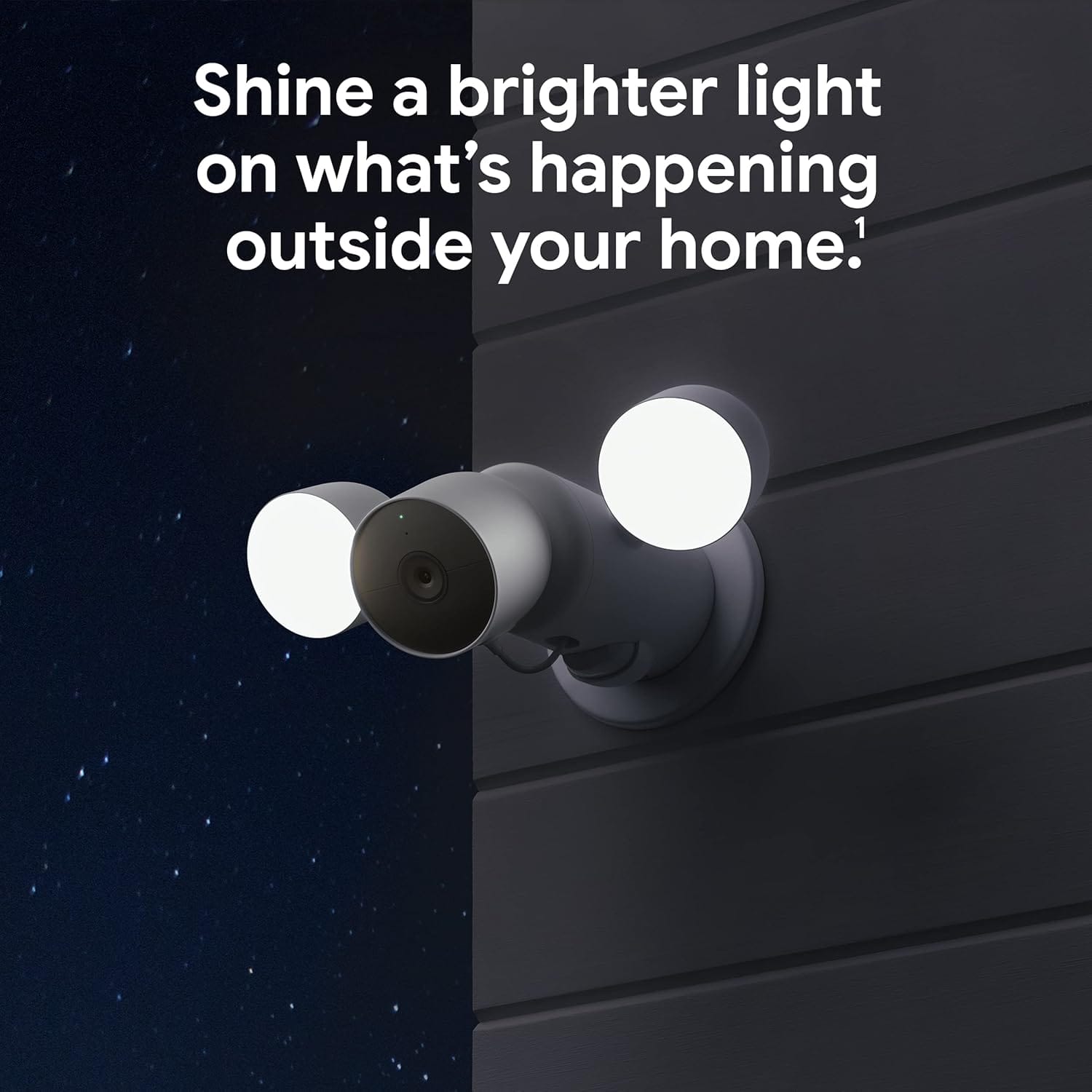
Nest Cam with Floodlight: Outdoor lighting with AI-based motion detection.
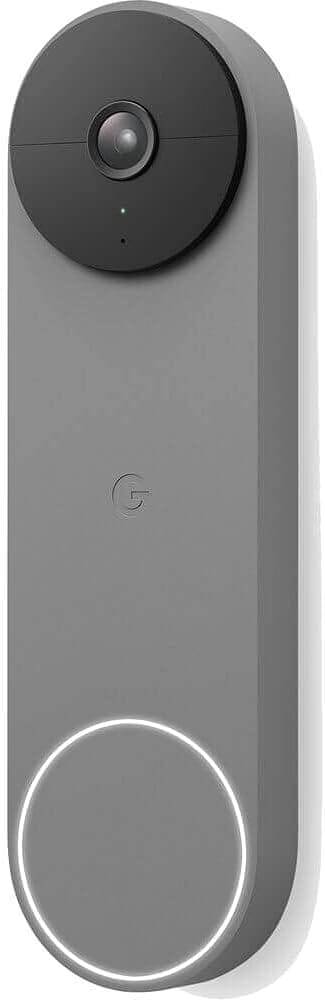
Nest Doorbell (Battery & Wired): Vertical field of view perfect for package detection.


Future Updates in 2025
Second-Gen Doorbell: Improved resolution and new color designs.
- Smarter Event Detection: Leveraging Gemini to Reduce False Alerts.
- ADT Partnership: Professional-grade integration with ADT’s security services.
🔒 According to Pew Research, 62% of U.S. homeowners with smart devices rank security cameras as their top priority, which explains why Google is doubling down on this area.
4. Climate Control: Smarter Thermostats and Sensors
Google is reshaping how we manage energy and comfort at home.
Current Models
Nest Learning Thermostat (4th Gen, 2024): Features a full-screen interface, Soli presence detection, and Matter support. It also integrates with wireless temperature sensors for room-by-room control.
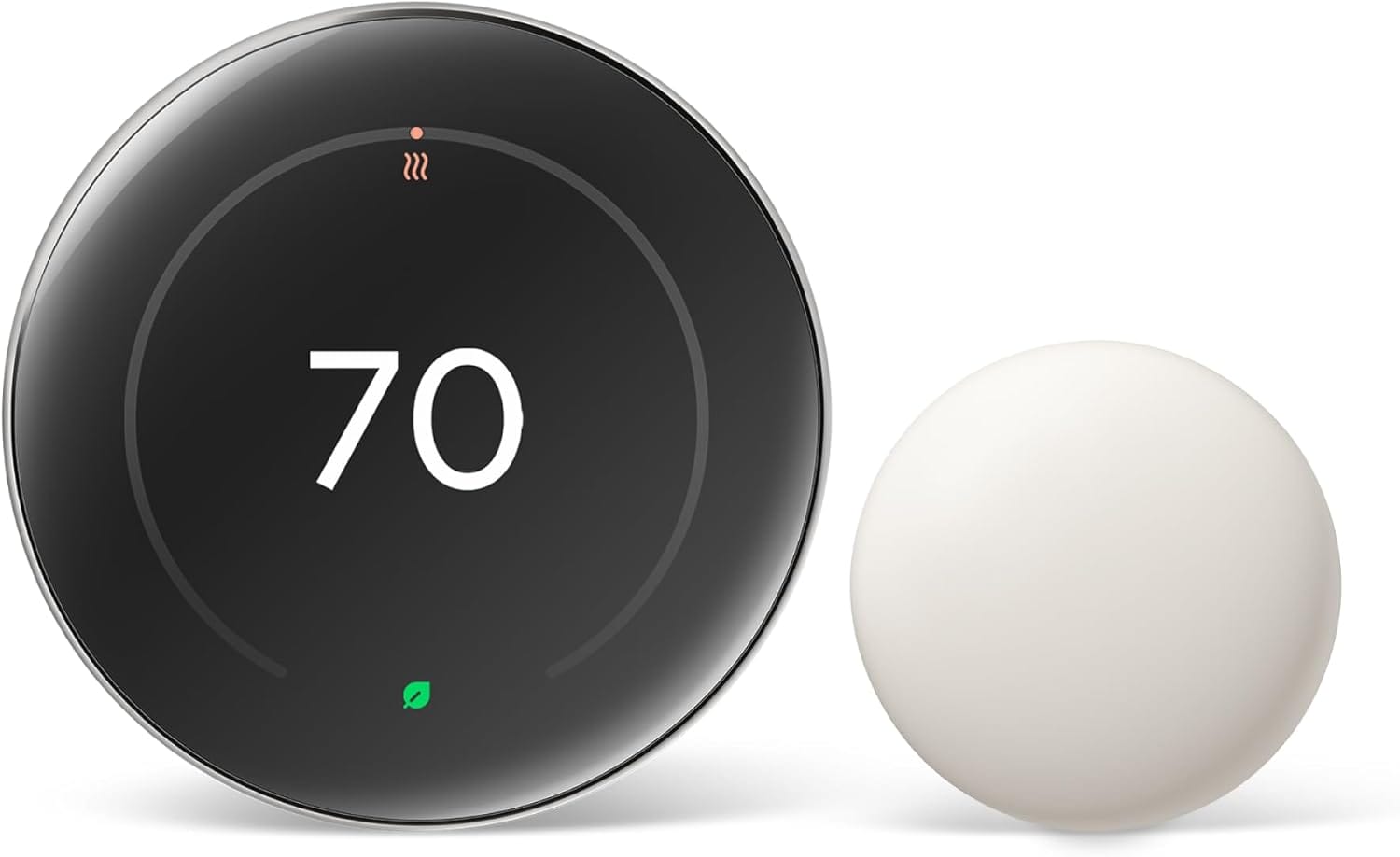
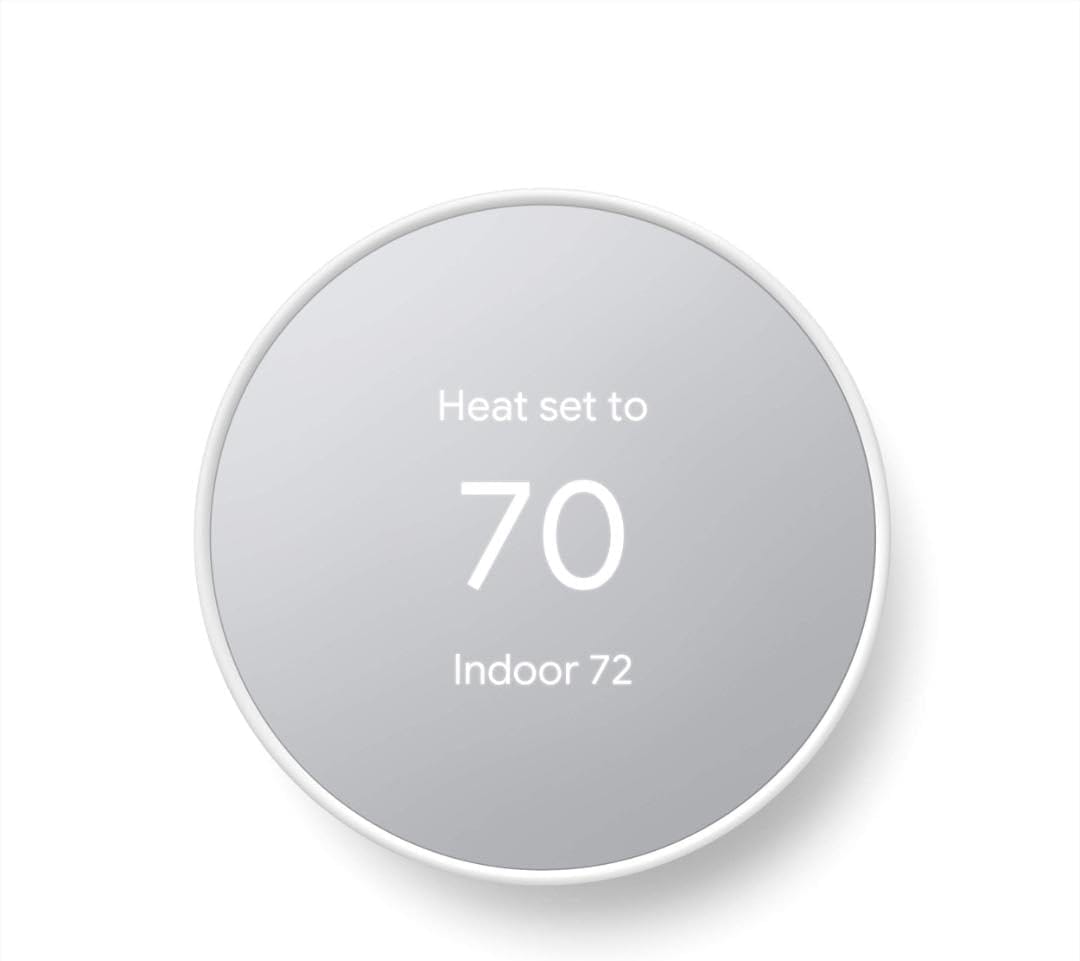
Nest Thermostat (2020): A budget-friendly option without machine learning features.
Future Direction
- AI-Powered Energy Optimization: Automatically adjusting settings based on weather, occupancy, and utility rates.
- Expanded Smart Sensors: Placing small wireless sensors in every room for precise comfort.
Compared to competitors like Ecobee and Honeywell, Google’s integration with Gemini allows for predictive adjustments, not just reactive ones.
🌍 The U.S. Department of Energy estimates smart thermostats can reduce heating/cooling costs by 10–15% annually, making this both eco-friendly and cost-efficient.
5. Software and AI: The Heart of the Google Ecosystem
Hardware is only half the story—Google Home software and Gemini AI are what tie the ecosystem together.
Key Upgrades
- Refreshed Google Home App (2023+):
- Customizable Favorites tab
- Device categories and automation editor (YAML-based)
- Full Nest camera integration
- Gemini Conversational AI:
- Understands context across devices (e.g., “Dim the lights like yesterday’s dinner setting”).
- Proactive suggestions (e.g., lowering the thermostat if it notices you’re away).
- More natural, human-like interactions.
- Nest Aware Subscription Plans:
- Standard ($10/mo): 30-day history, familiar face recognition.
- Plus ($20/mo): 60-day history and 10 days of 24/7 continuous recording.
- Potential rebranding to Google Home Premium.
6. Matter and Interoperability: The Open Ecosystem Advantage
Google is one of the strongest backers of Matter, the new smart home standard that ensures devices from different brands work together seamlessly.
What It Means for Users
- Multi-Admin Control: Manage devices across Google Home, Apple Home, and Amazon Alexa simultaneously.
- Fast Pair Setup: Instantly connect new devices via Android smartphones.
- Thread Networking: Reliable, low-power connections for smart devices across the house.
This openness gives Google a significant edge over Amazon, which still keeps some Alexa features tightly controlled.
7. What to Expect in Late 2025 and Beyond
Looking forward, Google’s Smart Home ecosystem will continue expanding with new hardware and software upgrades.
Rumored Innovations
- Gemini Smart Speaker: Natural conversation, LED ring, and multi-functionality.
- Next-Gen Nest Hub Max: Slimmer, AI-powered display for home management.
- Second-Gen Cameras and Doorbells: Higher resolution and design variety.
- Stronger ADT Integration: Bringing professional-grade security into the mainstream.
- AI Everywhere: Contextual automation that makes homes proactive, not reactive.
📈 With smart home adoption in the U.S. expected to hit 66% of households by 2027 (Statista), Google is positioning itself as the AI-first smart home leader.
Comparisons: Google vs. Amazon Alexa vs. Apple HomeKit
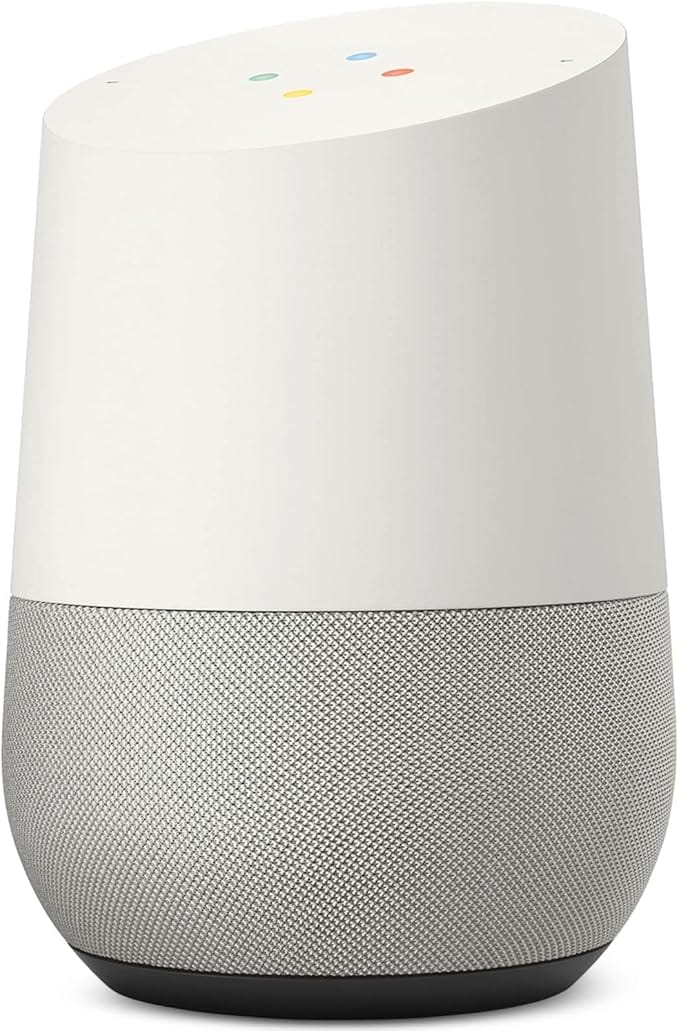
- Google Ecosystem: Best for AI-driven personalization and open interoperability.
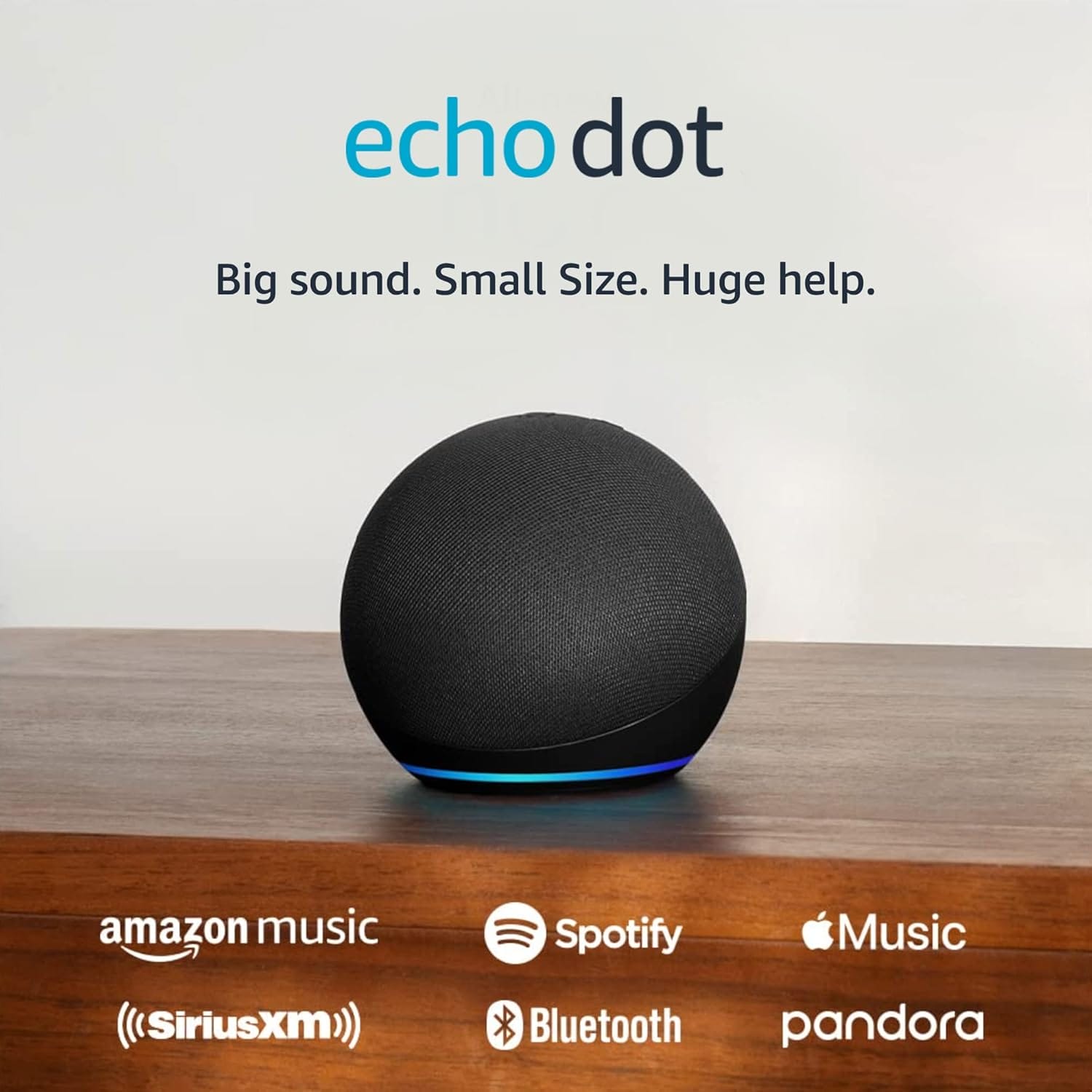
- Amazon Alexa: Best for sheer number of compatible devices, but less open.
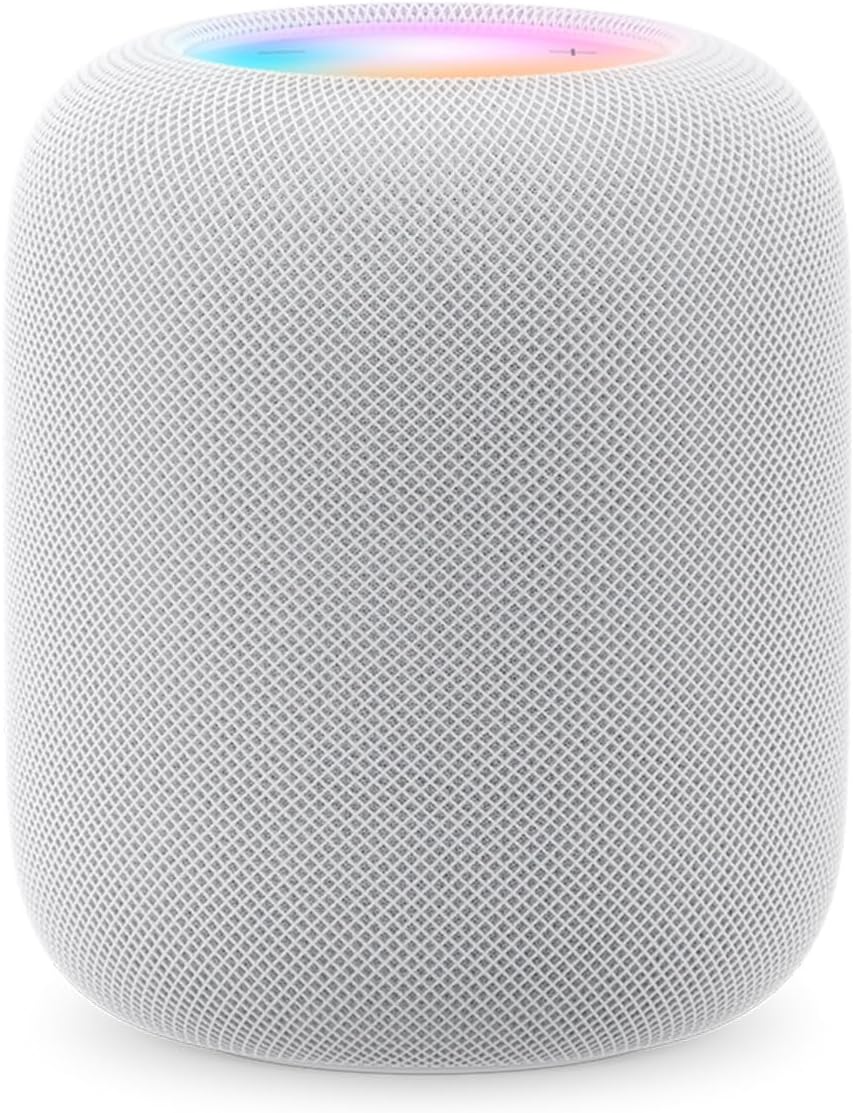
- Apple HomeKit: Strong focus on privacy and ecosystem control, but limited device variety.
FAQs About the Google Ecosystem and Smart Homes
Q1: What makes Google’s Smart Home different in 2025?
Google is integrating Gemini AI deeply into devices, allowing natural conversations, predictive automation, and seamless Matter compatibility.
Q2: Do I need a Nest Aware subscription?
Not necessarily. Most Nest devices now include 3 hours of free video history and local AI processing. Subscriptions only add extended storage.
Q3: Can I use Google Nest with Apple or Amazon devices?
Yes. Thanks to Matter and Thread, Google devices work across ecosystems, including Apple Home and Alexa.
Q4: What’s the biggest advantage of Gemini-powered devices?
They allow contextual interactions—you no longer need exact commands. Gemini learns from habits and anticipates needs.
Q5: Are Google devices safe from privacy risks?
Google emphasizes on-device AI, meaning less data goes to the cloud. Still, users should review privacy settings in the Home app regularly.
Final Thoughts
The Google Ecosystem for Smart Homes in 2025 is no longer just about gadgets—it’s about AI-driven living. By combining powerful Nest hardware, the Gemini AI assistant, and Matter-enabled interoperability, Google is building a future where your home doesn’t just respond to you—it understands you.
For U.S. homeowners, this means better energy savings, smarter security, and a more personalized experience compared to rival ecosystems. Whether you’re considering upgrading from Alexa or building your first connected home, Google’s 2025 roadmap shows why it remains a leader in the smart home revolution.


Enjoyed studying this, very good stuff, regards. “It is in justice that the ordering of society is centered.” by Aristotle.
I happen to be commenting to let you know of the impressive discovery my wife’s daughter experienced going through your site. She even learned many issues, including how it is like to possess an amazing teaching character to let the others without problems master several specialized issues. You truly surpassed people’s expectations. Thanks for providing those essential, healthy, edifying and in addition easy tips on your topic to Ethel.
You made a few fine points there. I did a search on the issue and found the majority of people will go along with with your blog.
Very wonderful visual appeal on this web site, I’d value it 10 10.