
Table of Contents
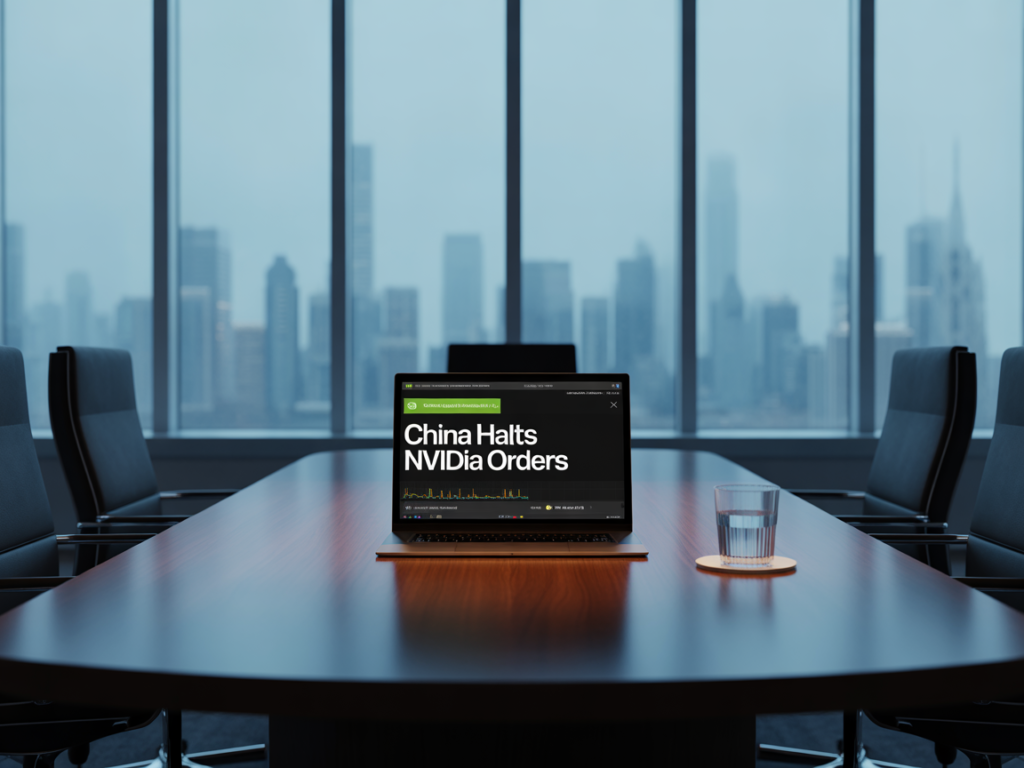
The phrase “China boycotts Nvidia” is more than just a headline—it’s a turning point in the global technology and artificial intelligence (AI) race. In early 2025, reports from Bloomberg confirmed that the Chinese government had ordered leading tech giants, including Alibaba, ByteDance, and other AI firms, to stop ordering Nvidia’s advanced AI chips.
This directive wasn’t just a suggestion—it was a strict government order, covering everything from new purchases to canceling existing orders. Even more surprisingly, the Cyberspace Administration of China instructed firms to discontinue daily usage of Nvidia chips in research and testing.
The move represents a major escalation in the U.S.–China tech conflict, one that could reshape the future of artificial intelligence, cloud computing, and semiconductor dominance.
Let’s break down what this ban means, why it matters, and the seven biggest consequences the world should expect.
Why China’s Boycott of Nvidia Matters
Nvidia isn’t just another semiconductor company. It’s the backbone of AI innovation worldwide. Its GPUs (graphics processing units) power everything from:
- ChatGPT-like AI models
- Autonomous vehicles
- Robotics and smart manufacturing
- Cloud-based AI training and inference
In 2023 alone, Nvidia’s valuation surpassed $2 trillion, driven by soaring demand for its A100 and H100 AI chips, which are considered the “gold standard” for training large language models.
By boycotting Nvidia, China is essentially declaring:
“We no longer want to depend on U.S. technology to fuel our AI future.”
This bold move sends shockwaves through both the financial markets and the geopolitical landscape.
How the Ban Unfolded
Bloomberg’s report reveals that Chinese officials directly contacted major tech firms and issued strict verbal instructions:
- Stop ordering Nvidia AI chips immediately.
- Cancel existing contracts.
- Phase out current usage in daily operations.
Companies like Alibaba (China’s e-commerce and cloud giant) and ByteDance (parent company of TikTok) were specifically targeted.
This isn’t the first time China has acted against U.S. tech dominance. But the timing is crucial, just as Nvidia was gearing up for another record year of AI-related sales.
Nvidia’s Response
Jensen Huang, Nvidia’s CEO, expressed deep disappointment:
“I’m saddened by what I’m seeing. But the reality is that China and the United States have bigger agendas to negotiate. We can only serve markets where we are allowed.”
His statement highlights Nvidia’s vulnerable position:
- 50% of Nvidia’s data center sales come from China.
- Losing this market threatens its revenue and investor confidence.
- It also raises questions about over-reliance on one region for business growth.
Legal Troubles in China: The Antitrust Case
China’s action isn’t limited to AI chip boycotts. Courts recently found Nvidia guilty in an antitrust case dating back to its 2020 acquisition of Mellanox Technologies.
This ruling further limits Nvidia’s ability to operate in China and signals a broader government crackdown on U.S. tech firms.
China’s Homegrown Alternative: Huawei Steps In
China isn’t making this decision in a vacuum. Tech firms like Huawei have been rapidly developing domestic AI chips as substitutes.
For example:
- The latest DeepSeek AI model relied entirely on Huawei’s Ascend chips.
- Reports suggest Huawei is ramping up semiconductor manufacturing capacity to meet AI demand inside China.
This shows China’s growing confidence in its ability to reduce reliance on Western tech.
The 7 Biggest Consequences of “China Boycotts Nvidia”
1. Nvidia’s Stock Faces Immediate Pressure
Analysts expect short-term volatility in Nvidia’s share price. With China representing nearly $7 billion in annual sales, Wall Street will react strongly.
2. The U.S.–China AI Cold War Escalates
The boycott deepens the tech war between the world’s two largest economies. AI chips are now as strategic as oil or rare earth minerals.
3. Boost for Chinese Semiconductor Firms
Huawei, SMIC, and other Chinese firms stand to benefit massively as companies switch to local suppliers.
4. U.S. Tech Policy Faces Pressure
Washington may impose stricter export bans or explore new subsidies to keep U.S. firms competitive.
5. AI Development Splinters Globally
Instead of a unified AI ecosystem, we may see two parallel worlds:
- U.S.-led AI (Nvidia, Microsoft, OpenAI)
- China-led AI (Huawei, Baidu, Alibaba)
6. Ripple Effects on Global Supply Chains
Cloud providers, startups, and researchers worldwide may face supply shortages or price hikes as Nvidia reallocates chips.
7. Geopolitical Leverage in U.S.–China Negotiations
This boycott could play into trade talks between U.S. and Chinese leaders, adding another layer of complexity to diplomatic relations.
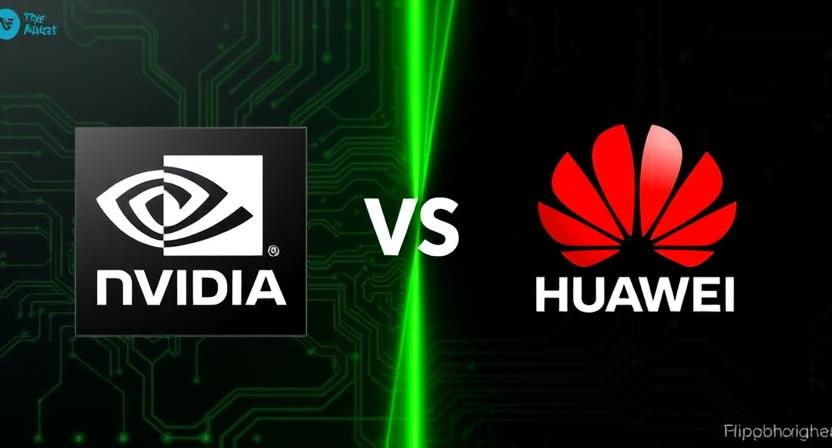
Comparison: Nvidia vs. Huawei in AI Chips
| Feature | Nvidia (A100/H100) | Huawei (Ascend 910) |
|---|---|---|
| Performance | Industry leader | Improving rapidly |
| Global adoption | Widely used worldwide | Mostly China-centric |
| Software ecosystem | CUDA + Nvidia AI stack | Still developing |
| Availability | Limited by export bans | Growing inside China |
While Nvidia leads in performance and ecosystem support, Huawei’s rapid growth—especially after government backing—makes it a serious competitor inside China.
U.S. Perspective: Why Americans Should Care
For U.S. readers, this boycott is more than a foreign headline. It affects:
- Stock markets: Nvidia is one of the “Magnificent Seven” tech stocks driving the S&P 500.
- AI innovation: Reduced revenue may slow Nvidia’s R&D spending.
- Geopolitical stability: Tensions between Washington and Beijing could spill into trade wars and cybersecurity conflicts.
According to Statista, the U.S. AI market is projected to surpass $200 billion by 2030. China’s divergence from U.S. chip tech could reshape competition and influence global leadership in AI.
What’s Next for Nvidia and China?
The story doesn’t end here. Some possible scenarios include:
- Nvidia pivots toward Europe, India, and the Middle East to offset lost Chinese sales.
- China accelerates self-reliance in semiconductors, reaching parity with U.S. chips sooner than expected.
- Trade negotiations between the Biden (or Trump, depending on election results) administration and Beijing could revisit these restrictions.
FAQs on “China Boycotts Nvidia”
Q1: Why did China boycott Nvidia?
To reduce reliance on U.S. technology, strengthen local semiconductor firms, and respond to U.S. export restrictions.
Q2: Will this hurt Nvidia financially?
Yes, China accounted for nearly 50% of its AI chip sales. The ban is a serious financial blow.
Q3: Can Huawei replace Nvidia inside China?
Not fully yet, but with government support, Huawei is catching up quickly.
Q4: What does this mean for U.S.–China relations?
It escalates the tech war, making AI chips a central battleground in global geopolitics.
Q5: Will AI progress slow down globally?
Possibly in the short term due to supply disruptions, but in the long term, it may lead to parallel AI ecosystems.
Final Thoughts
The headline “China boycotts Nvidia” is more than a trade dispute—it’s a symbol of shifting power in global technology. As Beijing turns to Huawei and other domestic firms, the U.S. faces the challenge of protecting its innovation leadership while avoiding a fractured AI landscape.
For Nvidia, the road ahead looks uncertain, but one thing is clear:
The AI chip war is officially here.




I consider something genuinely interesting about your blog so I saved to favorites.
I don’t even know the way I stopped up here, but I thought this post used to be great. I don’t recognize who you’re however certainly you are going to a famous blogger if you happen to are not already 😉 Cheers!
Excellent website. Plenty of useful info here. I am sending it to several friends ans also sharing in delicious. And certainly, thanks for your effort!