

Bitcoin towards 1 million is no longer just a speculative dream whispered in crypto forums — it’s now being openly debated on Wall Street, in Washington, and across global financial circles. The trigger? A new and controversial “third mandate” for the Federal Reserve, championed by recently appointed Fed Governor Stephen Miran.
If this policy shift unfolds, it could reshape the entire U.S. monetary system, weaken the dollar, and accelerate institutional and retail adoption of Bitcoin as a hedge against inflation and debt. Let’s unpack what this means for the U.S., global markets, and the future of crypto.
Key Highlights
- Bitcoin towards 1 million gains traction as the Fed’s “third mandate” is introduced.
- Fed Governor Stephen Miran revives a long-forgotten mission: keeping long-term interest rates moderate.
- Policy tools like yield curve control (YCC) and quantitative easing (QE) could flood markets with liquidity.
- A weaker U.S. dollar could drive massive demand for Bitcoin as a digital safe haven.
- Experts like Arthur Hayes believe Bitcoin could realistically surge to $1M under these conditions.
The Federal Reserve’s Traditional Mandates
For over a century, the Federal Reserve has operated under a dual mandate:
- Price Stability – Controlling inflation to protect consumer purchasing power.
- Maximum Employment – Supporting job creation and sustainable economic growth.
These two goals have often required delicate balancing acts. For instance, raising rates cools inflation but risks slowing job growth.
But buried in the Federal Reserve Act of 1913 lies another objective: maintaining moderate long-term interest rates. Until now, this “third mandate” has been largely ignored.
Stephen Miran and the Revival of the Third Mandate
On September 16, 2025, the U.S. Senate confirmed Stephen Miran — a former Treasury advisor — as a Governor of the Fed, following his nomination by President Donald Trump.
Miran has wasted no time reviving discussion around this forgotten clause. According to him, the Fed has a responsibility not only to control inflation and employment but also to ensure stable, moderate long-term borrowing costs.
This idea could give the Trump administration a policy lever to push interest rates lower, even as U.S. debt reaches historic highs.
Yield Curve Control: What It Means
The “third mandate” could justify a strategy called Yield Curve Control (YCC).
- In YCC, the Fed actively intervenes in bond markets to cap long-term interest rates.
- This means unlimited bond buying if necessary to keep borrowing costs low.
- Japan has used YCC for years, effectively capping 10-year government bond yields.
For the U.S., adopting YCC would mark a dramatic policy shift — one that might devalue the dollar but unleash massive liquidity into global markets.
Why Bitcoin Could Skyrocket
If the Fed leans on YCC and quantitative easing (QE), the dollar could weaken significantly. Historically, whenever central banks flood markets with liquidity, investors seek hard assets.
Traditionally, that meant gold. But in 2025, Bitcoin has firmly established itself as “digital gold” — a scarce, decentralized asset with a fixed supply of 21 million coins.

Key reasons Bitcoin could surge:
- Dollar Devaluation: A weaker dollar pushes investors toward scarce assets.
- Debt Monetization: With national debt over $34 trillion, the Fed’s policies may erode confidence in fiat.
- Institutional Adoption: Pension funds, hedge funds, and even corporations are increasingly allocating to Bitcoin.
- Scarcity: Unlike fiat, Bitcoin’s supply cannot be inflated.
As Arthur Hayes, co-founder of BitMEX, put it:
“With Miran’s confirmation, the Fed is preparing the world for its third mandate — yield curve control. That path leads Bitcoin to $1 million.”
Charting Bitcoin’s Potential Path to $1M
(Here, Wiztechno could include a line chart comparing Bitcoin price growth vs U.S. debt levels, with a projection curve showing a $1M target. A diagram of Bitcoin halving cycles alongside Fed interest rate cuts would also be valuable.)

Bitcoin has already shown its sensitivity to Fed policies:
- In 2020, during the COVID-19 crisis and QE programs, Bitcoin surged from ~$7,000 to over $60,000 within 18 months.
- In 2022–2023, aggressive rate hikes cooled BTC, sending it below $20,000.
- In 2024, as inflation stabilized and rates eased, Bitcoin rebounded past $70,000.
With YCC and sustained QE, analysts believe a $500,000–$1,000,000 BTC is plausible by the end of the decade.
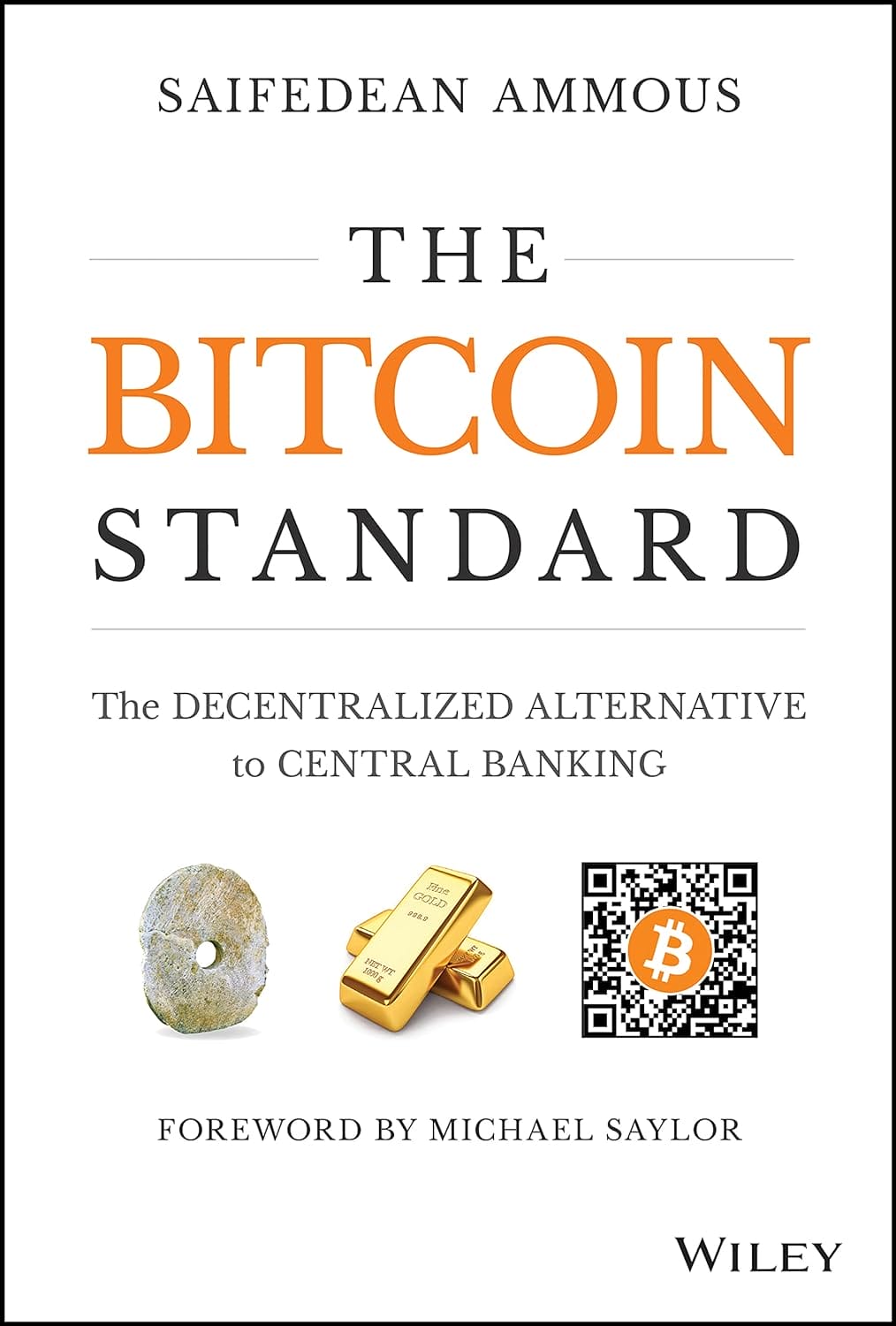
Must-read book for Bitcoin believers

Bitcoin vs. Traditional Assets Under Fed’s Third Mandate
| Asset Class | Effect of Lower Rates | Outlook |
|---|---|---|
| U.S. Dollar | Weakens as supply expands | Negative |
| Treasuries | Yields artificially capped | Neutral/Controlled |
| Gold | Gains as dollar weakens | Positive |
| Bitcoin | Gains massively as “digital gold” | Extremely Positive |
| Equities | Boosted by cheap capital | Positive |
This shows why Bitcoin towards $1 million isn’t just hype — it’s rooted in macroeconomics.
Secure your BTC offline – for Crypto Investors


Institutional and Retail Adoption
According to Statista, global cryptocurrency ownership has exceeded 420 million users in 2025, with the U.S. accounting for a significant portion.
Meanwhile, U.S. spot Bitcoin ETFs (approved in 2024) have already attracted billions of dollars in inflows. BlackRock’s iShares Bitcoin Trust, for example, is now one of the largest single holders of BTC worldwide.

Retail adoption is also accelerating thanks to apps like Cash App, PayPal, and Robinhood, making Bitcoin easier than ever to buy.
🇺🇸 Political and Economic Implications

- Trump’s Agenda: Lower rates help reduce the cost of U.S. debt and stimulate growth ahead of the 2026 elections.
- Geopolitics: A weaker dollar may reduce U.S. dominance in global trade, pushing countries toward alternative systems.
- Crypto Regulation: If Bitcoin becomes a key hedge against U.S. monetary policy, regulators may accelerate frameworks to control its use.
Internal & External Resources
- BTC’s Future: Will It Dominate the Next 5 Years?
- Lost Bitcoin: The Shocking True Story of a $3.8 Million Mistake
- 4 Best Crypto Wallets for Long-Term Investors
- Cryptocurrency owners in selected countries worldwide 2025
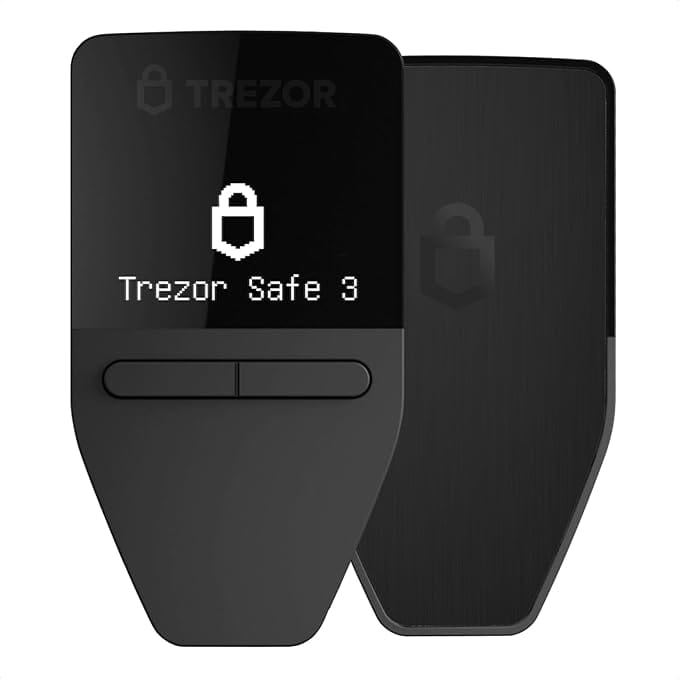
Another top-tier hardware wallet for investors


FAQs ❓
Q1: What is the Fed’s “third mandate”?
The mandate to maintain moderate long-term interest rates, largely been ignored for decades but is now being revived.
Q2: How does this impact Bitcoin?
By keeping borrowing costs low, the Fed may weaken the dollar, increasing Bitcoin’s appeal as a store of value.
Q3: Can Bitcoin really reach $1 million?
Yes, if YCC and QE flood markets with liquidity, Bitcoin’s scarcity could drive its price toward seven figures.
Q4: How soon could this happen?
Analysts like Arthur Hayes suggest within this decade, depending on Fed policy aggressiveness.
Q5: Should U.S. investors buy Bitcoin now?
Financial advisors recommend cautious allocation — typically 1–5% of a portfolio — but the upside potential is significant.
Conclusion
The idea of Bitcoin towards 1 million is no longer a meme. With the Fed’s potential revival of its “third mandate,” the U.S. may be heading into a new era of monetary experimentation.
For investors, this could mean an unprecedented opportunity. Bitcoin’s scarcity, resilience, and growing adoption put it in a prime position to become the ultimate hedge against inflation, debt, and dollar weakness.
Whether you’re a seasoned investor or a newcomer, understanding the intersection of Fed policy and Bitcoin could be the key to thriving in the financial landscape of the next decade.



This article offers a compelling perspective on how the Feds potential shift toward Yield Curve Control could significantly impact Bitcoins value. The connection between monetary policy and digital assets like Bitcoin feels increasingly relevant in todays economic climate.
Thank you for your thoughtful comment! You’ve perfectly captured a topic that sits at the intersection of traditional monetary policy and the evolving digital asset space — one that many of our readers find increasingly important.
This article provides a thought-provoking analysis linking Fed policy shifts to Bitcoins potential surge. The connection between YCC and digital assets like Bitcoin feels increasingly relevant in todays economic climate.bản sao tốc độ web
Thank you for your thoughtful comment! We’re glad you found the analysis thought-provoking and relevant. The relationship between Federal Reserve policies like Yield Curve Control (YCC) and digital assets such as Bitcoin is indeed a critical topic in today’s economic landscape, and we appreciate you engaging with it.
This article effectively breaks down the potential impact of the Feds third mandate on Bitcoin, making a compelling case for its future price surge. The analysis feels well-reasoned and insightful.BoatRacing
Thank you for your thoughtful comment! We’re glad you found the analysis on the Fed’s potential third mandate and its implications for Bitcoin compelling and well-reasoned. It’s a complex yet fascinating topic, and we strive to make these connections clear and insightful for our readers.
This article effectively connects Fed policy shifts to Bitcoins potential surge, making a compelling case for YCCs impact. The analysis feels insightful, though the $1M BTC projection is ambitious. Interesting read!basketbros
Thank you for your thoughtful and balanced feedback! We’re glad you found the analysis compelling and insightful. You’re absolutely right—connecting macro monetary policies like Yield Curve Control (YCC) to Bitcoin’s potential is a complex but fascinating topic. While long-term projections (like the one mentioned) are inherently speculative, they help frame possible outcomes in an evolving financial landscape.
I’m not sure why but this weblog is loading incredibly slow for me. Is anyone else having this problem or is it a problem on my end? I’ll check back later and see if the problem still exists.