
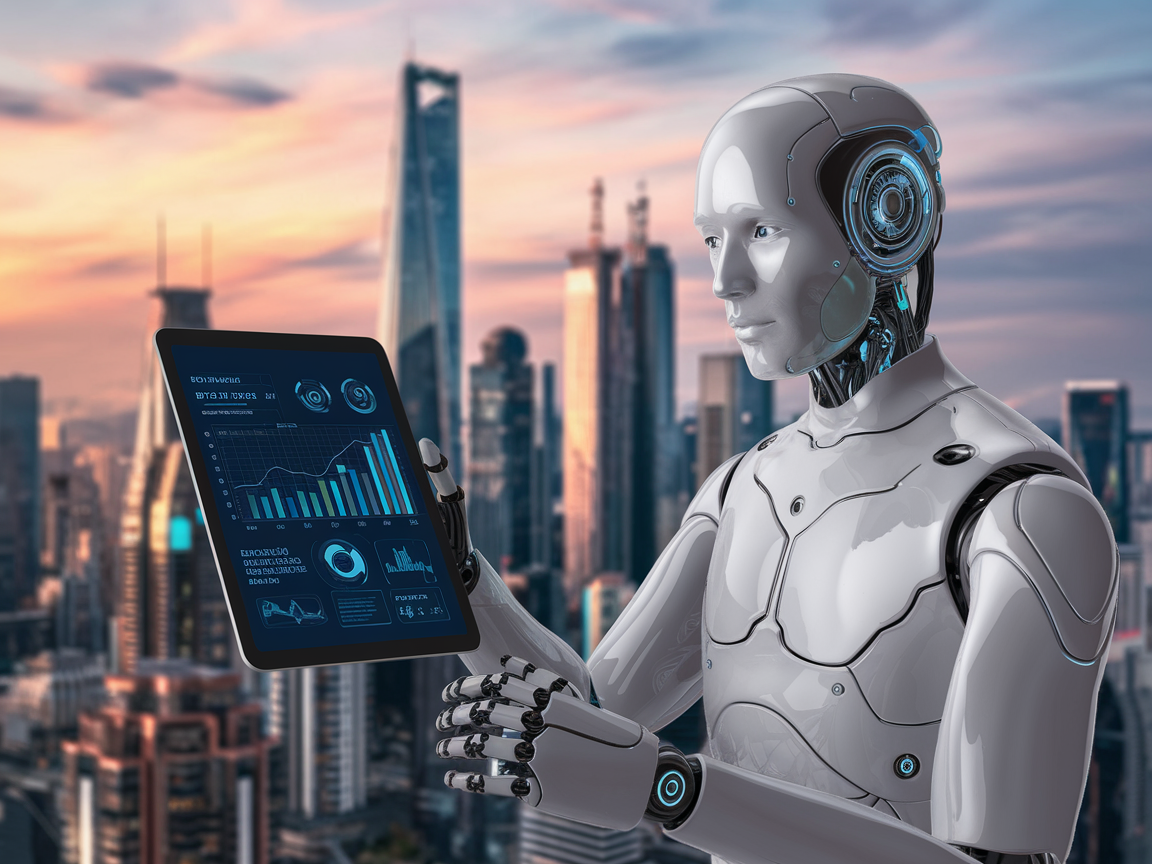
AI Investment: Could a $3 Trillion Bubble Burst?
AI investment has skyrocketed since the launch of ChatGPT in 2022, igniting one of the most aggressive spending waves in modern history. From Silicon Valley to Wall Street, companies and investors are pouring billions into AI infrastructure, convinced that artificial intelligence is the next transformative revolution.
By 2028, global spending on data centers alone is projected to exceed $3 trillion, making it one of the largest capital surges ever recorded. But here’s the million-dollar question: what happens if the AI boom doesn’t deliver the expected results?
This article dives deep into the economic, technological, and societal implications of the current AI investment frenzy. We’ll explore what makes this moment unique, why it could become a bubble, and how a potential collapse might reshape the U.S. economy.
The Rise of AI Investment Since 2022
When OpenAI released ChatGPT in late 2022, the world entered a new era. Suddenly, the idea of AI models that could write essays, generate code, or analyze massive datasets didn’t feel like science fiction anymore.

In response, major U.S. tech giants—Google, Microsoft, Amazon, and Meta—ramped up spending on AI infrastructure. According to The Economist, over $400 billion was funneled into AI-related data centers in just the past year.
Startups also joined the gold rush. Companies like Anthropic and OpenAI raised billions every few months, with combined valuations approaching half a trillion dollars. Investors justified the frenzy with a bold vision: Artificial General Intelligence (AGI)—AI that surpasses human capabilities across most cognitive tasks—could be just years away.
The Promise vs. Reality of AI Investment
Promise:
- Economic Growth: AI could drive productivity gains comparable to past industrial revolutions.
- Innovation at Scale: From healthcare diagnostics to financial modeling, AI promises breakthroughs across industries.
- Investor Goldmine: The earliest backers of transformative technologies often earn exponential returns.
Reality Check:
- Short Hardware Lifespan: Much of the $3 trillion is being spent on servers and chips with a shelf life of only a few years.
- Energy Bottlenecks: AI training requires enormous amounts of electricity. In some regions, power grids are already strained.
- Uncertain Adoption Rates: Businesses and consumers may not adopt AI as quickly—or as profitably—as predicted.
In other words, the massive AI investment wave could either fuel long-term growth or leave behind mountains of obsolete hardware.
Lessons From Past Investment Bubbles
History is full of examples where massive capital inflows created bubbles:
- Railroads in the 19th Century: Billions were spent on tracks that ultimately reshaped economies, even after speculative collapses.
- Dot-Com Boom (1990s–2000s): Overvalued internet startups imploded, but the infrastructure (fiber optics, servers) became the backbone of today’s digital economy.
The difference today? More than half of AI-related spending is directed at fast-depreciating hardware, not long-lasting infrastructure. This raises the risk that if the bubble bursts, fewer permanent assets will remain.
How AI Investment Is Shaping the U.S. Economy
AI’s impact on the U.S. economy is already measurable:
- According to The Economist, 40% of U.S. GDP growth in 2024 can be traced to the AI boom.
- Stock markets are increasingly concentrated in a handful of AI-driven tech firms.
- Household wealth is deeply tied to equities—about 30% of net worth for U.S. families comes from stock ownership, a higher exposure than during the dot-com era.
If AI investments falter, the consequences won’t just be felt in Silicon Valley. They could ripple across Wall Street, middle-class retirement portfolios, and everyday consumer confidence.
Risks of a Potential AI Investment Collapse

1. Financial Markets Shock
Tech giants leading the AI charge—NVIDIA, Microsoft, Alphabet—now account for massive portions of U.S. stock indexes. A downturn in AI-related profits could wipe out trillions in market value.
2. Job Market Disruption
Tens of thousands of jobs have been created around AI infrastructure: data center construction, chip design, and cloud computing services. If spending slows, layoffs could mirror the crash of the early 2000s tech bubble.
3. Wasted Hardware
Unlike railroads or fiber optic cables, AI servers depreciate quickly. Billions in hardware could become e-waste in just a few years.
4. Consumer Confidence Decline
If AI stocks tumble, wealthy households—the main drivers of U.S. consumer spending—will likely cut back, slowing economic growth.
Could AI Investment Deliver Instead?
Of course, not every boom ends in disaster. If AI reaches milestones like Artificial General Intelligence or widespread adoption in industries like medicine, finance, and education, the upside is enormous:
- Annual Growth Boost: Global GDP could rise by as much as 20% annually in the most optimistic scenarios.
- U.S. Global Leadership: With its early investments, America could cement its dominance in AI innovation.
- Social Benefits: AI could improve healthcare outcomes, reduce inefficiencies in education, and even fight climate change through better energy management.
The outcome hinges on whether AI progress matches today’s bold expectations—or falls short.
Comparisons: AI Investment vs. Other Tech Booms

Here’s how today’s AI investment wave compares to historical booms:
| Investment Boom | Spending Scale | Asset Longevity | Outcome |
|---|---|---|---|
| Railroads (1800s) | Billions | Decades | Reshaped global trade |
| Dot-Com (1990s) | Hundreds of billions | Long-lasting infrastructure | Internet revolution |
| AI Investment (2020s) | Trillions | Short hardware cycles | TBD – growth or crash? |
This table makes one thing clear: AI’s reliance on short-lived hardware makes it riskier than past booms.
What Investors Should Watch Closely
- Adoption Speed: Are businesses integrating AI into real-world workflows, or is it just hype?
- Energy Supply: Can the U.S. power grid sustain the electricity demands of massive AI data centers?
- Regulation: Will governments slow down or support AI growth?
- Consumer Trust: Public perception of AI could accelerate or stall adoption.
Investors betting on AI should monitor these four signals to avoid being blindsided by a downturn.
FAQs About AI Investment
Q1: Is AI investment just hype?
Not entirely. While some valuations are inflated, AI infrastructure and applications have real potential for productivity growth.
Q2: Could the AI investment bubble crash the U.S. economy?
A severe downturn could cause stock market shocks and slow growth, but long-term infrastructure benefits may remain.
Q3: Who benefits the most from AI investment today?
Big Tech firms (Microsoft, Google, NVIDIA), cloud providers, and early-stage AI startups.
Q4: What happens if AI fails to achieve AGI?
Investors may lose money, but partial adoption of AI tools could still deliver efficiency gains.
Q5: Is AI investment riskier than past tech bubbles?
Yes, because so much capital is tied to short-lived hardware instead of durable infrastructure.
Final Thoughts: The Balance of Risk and Reward
The $3 trillion AI investment boom represents both extraordinary promise and extraordinary risk. If AI delivers on its ambitious vision, the U.S. could enter a new era of growth and innovation, one that rivals the internet revolution.
However, if adoption slows, energy bottlenecks emerge, or public trust falters, the bubble could burst—leaving behind economic scars and a mountain of depreciated hardware.
For investors, policymakers, and everyday Americans, the key is clear: balance optimism with caution. AI might be the future—but like every great boom before it, it carries the seeds of both prosperity and collapse.




I conceive this website holds some really superb information for everyone : D.