Introduction
AI agents’ practical uses are no longer confined to research labs or futuristic sci-fi. Today, they’re everywhere — silently powering personal assistants, automating repetitive business tasks, securing digital environments, and even revolutionizing healthcare. From small businesses in the U.S. leveraging AI chatbots to multinational corporations deploying AI-powered cybersecurity, these intelligent agents are transforming how we live and work.
In this guide, we’ll dive deep into 7 powerful real-world benefits of AI agents, backed by expert analysis, U.S.-based statistics, and practical examples. Whether you’re a business owner, a tech enthusiast, or simply curious about the role of AI in everyday life, this article will give you an actionable roadmap to understanding and leveraging AI agents.
1. AI Agents in Customer Support: Always-On Problem Solvers
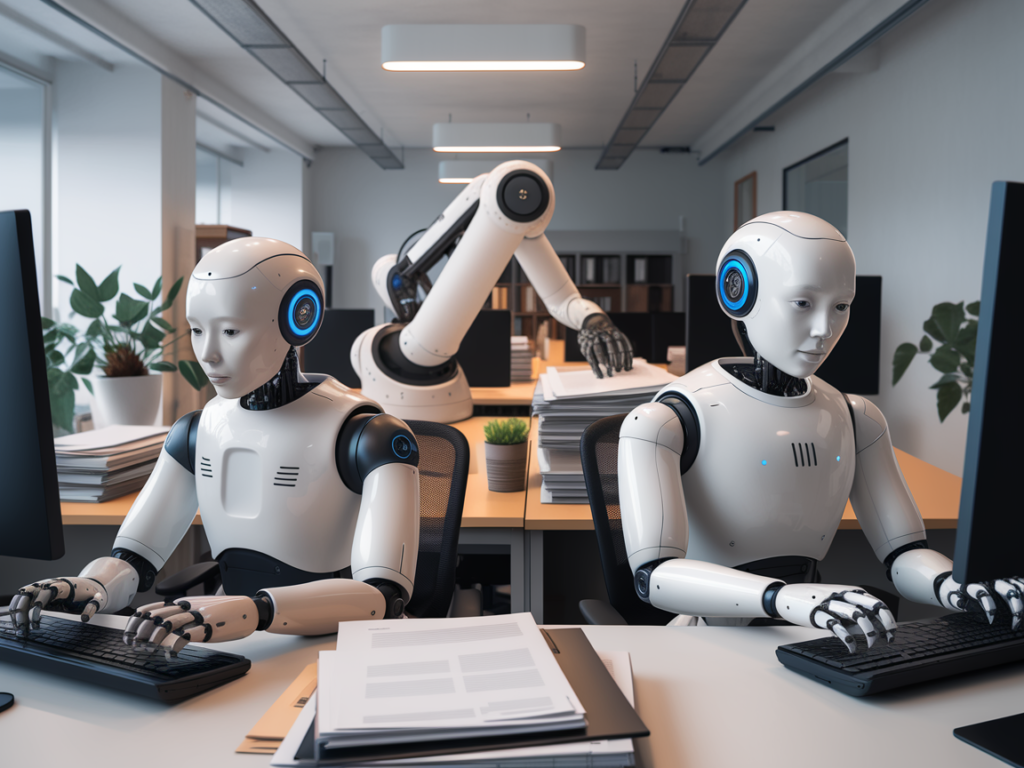
One of the most widespread applications of AI agents is in customer service. AI-powered chatbots and virtual assistants can handle thousands of queries at once, offering instant responses.
- Example: Major airlines like Delta and United use AI chatbots to help passengers change flights, track baggage, or receive updates in real time.
- Benefit: Reduces wait times for customers and cuts operational costs for businesses.
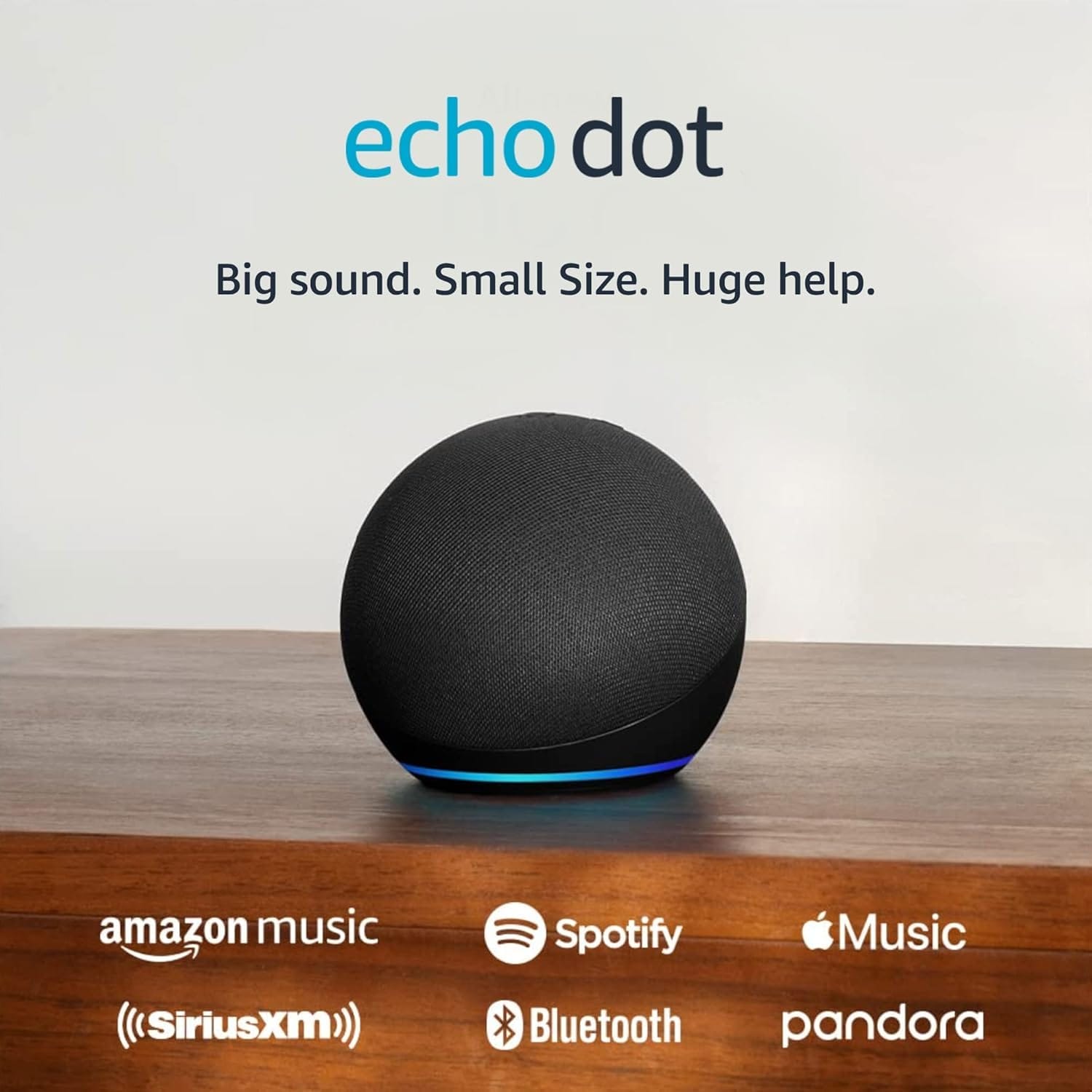
👉 Many businesses rely on AI-friendly devices like Amazon Echo to streamline customer interactions and integrate smart automation.

2. AI Agents in Cybersecurity: The Silent Digital Bodyguards
Cyberattacks are on the rise in the U.S., with Statista reporting over 1,800 data breaches in 2023 alone. AI agents are now deployed as proactive security guards that scan networks, detect unusual patterns, and prevent breaches before they happen.
- Use Case: Financial institutions rely on AI to detect fraudulent transactions in milliseconds.
- Tools: VPN services and cybersecurity tools, such as Norton 360, integrate AI to boost protection.
3. AI Agents in Smart Homes: Convenience Meets Efficiency
In U.S. households, smart homes are becoming mainstream, and AI agents are at the center of this transformation. From adjusting thermostats to securing entrances, AI agents make life seamless.
- Examples:
- Energy efficiency: Google Nest learns habits to optimize heating/cooling.
- Security: AI-powered cameras detect intruders more accurately than traditional systems.
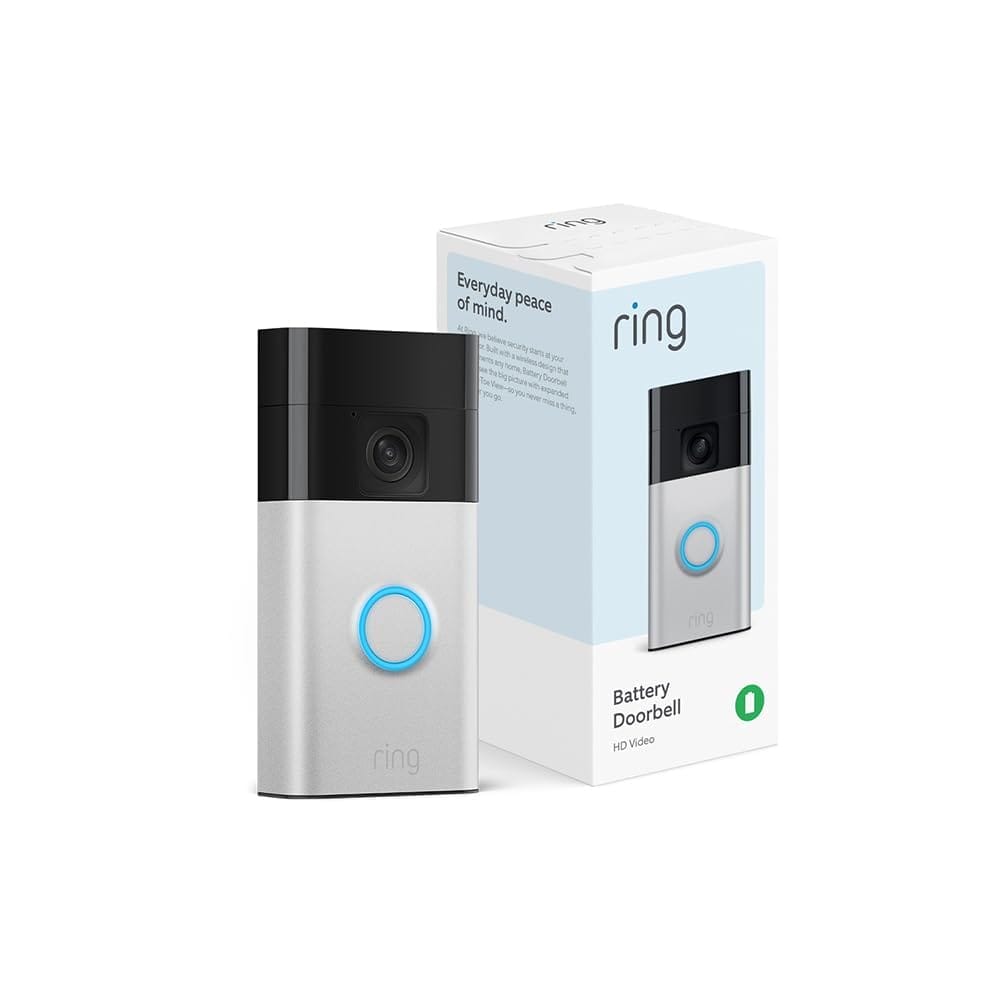
👉 Smart plugs, thermostats, and Ring Video Doorbells enhance smart home setups.


- Related News:
4. AI Agents in Healthcare: Saving Lives With Data
In medicine, AI agents analyze complex medical data to assist doctors in making faster, more accurate diagnoses.
- Example: AI systems can scan X-rays and MRIs, sometimes detecting early signs of disease that human doctors might overlook.
- Stat: According to the U.S. National Library of Medicine, AI diagnostics can reduce errors by 15–20%.
5. AI Agents in Education: Personalized Learning Assistants
The classroom of the future is already here. AI agents help tailor education to each student’s needs, whether it’s personalized tutoring or grading automation.
- Example: Platforms like Duolingo use AI agents to adjust lessons dynamically, keeping learners engaged.
- Impact: Teachers save time, and students get a learning path that matches their progress.
6. AI Agents in Business Automation: Cutting Costs and Boosting Productivity
From small startups to Fortune 500 companies, AI agents are the backbone of digital transformation.
- Applications:
- Automating payroll and invoices.
- Managing supply chain logistics.
- Tracking consumer trends through predictive analytics.
👉 Recommended tool: AI-compatible productivity devices like MX Keys S Wireless Keyboard streamline hybrid work environments.

7. AI Agents in Creativity and Content Creation: From Drafts to Masterpieces
AI agents are not only logical problem solvers — they’re also collaborators in the creative field.
- Examples:
- Writers use AI to brainstorm ideas and generate first drafts.
- Designers use AI to generate visuals and streamline editing.
- Musicians experiment with AI to create new compositions.
Challenges of AI Agents Practical Uses
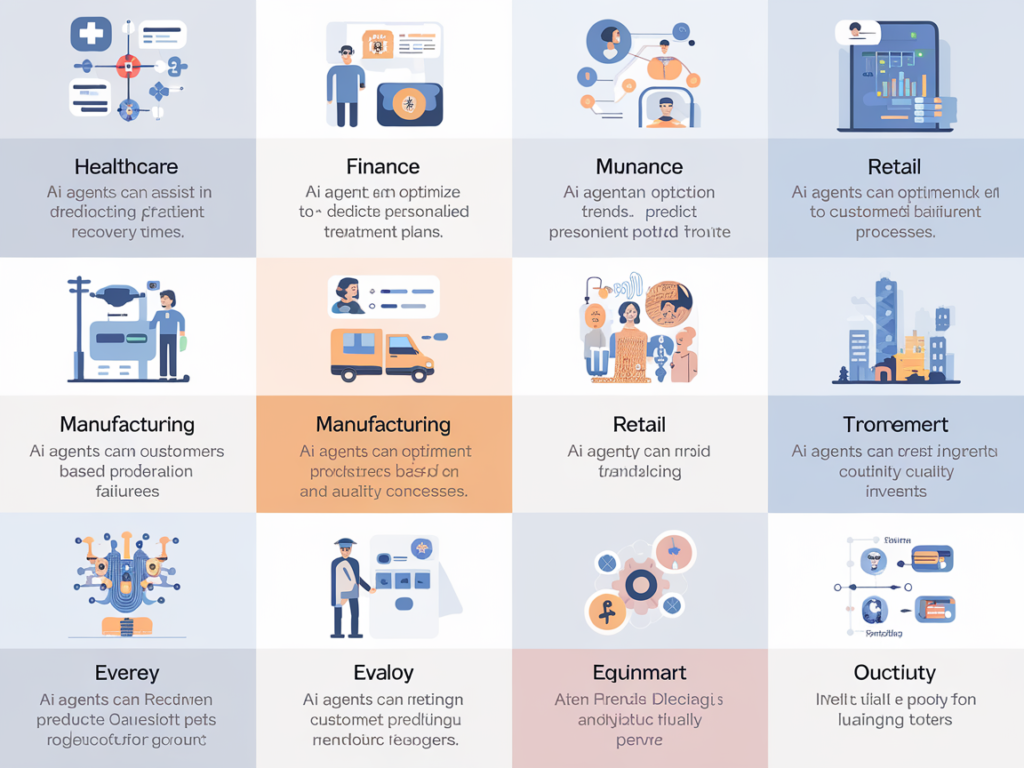
Of course, AI agents aren’t perfect. They bring challenges such as:
- Privacy concerns — especially in healthcare and finance.
- Bias in decision-making — if the training data is flawed.
- Job displacement fears — particularly in customer service and logistics.
But experts argue that with proper regulation and ethical use, AI agents will likely create more opportunities than they eliminate.
FAQs About AI Agents Practical Uses
Q1: Are AI agents replacing human jobs?
Not directly. They’re more likely to handle repetitive tasks, freeing humans for strategic, creative, and complex work.
Q2: What devices use AI agents at home?
Examples include Alexa-powered devices, smart thermostats, and AI-enhanced security systems.
Q3: How safe are AI agents in cybersecurity?
They’re among the most advanced tools today, but they must be paired with human oversight for maximum security.
Q4: Can AI agents be biased?
Yes, bias can exist if the training data contains flaws. Ethical frameworks and diverse datasets help reduce this risk.
Conclusion: Why AI Agents Practical Uses Matter Today
AI agents practical uses aren’t just a passing trend — they are the infrastructure of the future. From protecting your digital life to powering your smart home and enhancing healthcare, their role will only grow.
For U.S. consumers, embracing AI responsibly means higher productivity, better security, and more personalized experiences. Whether you’re buying your first smart home gadget, securing your data with a VPN, or streamlining your business with automation, AI agents are already here — shaping tomorrow, today.