

Introduction: The Promise and Power of Advanced Technologies
Advanced technologies are no longer a distant vision—they’re here, shaping how we live, work, and interact. By 2025, innovations in artificial intelligence, biotechnology, sustainable energy, and digital trust are set to redefine entire industries. According to the World Economic Forum and recent reports from leading U.S. research centers, these disruptive breakthroughs could dramatically change global economies, healthcare systems, and our daily lives.
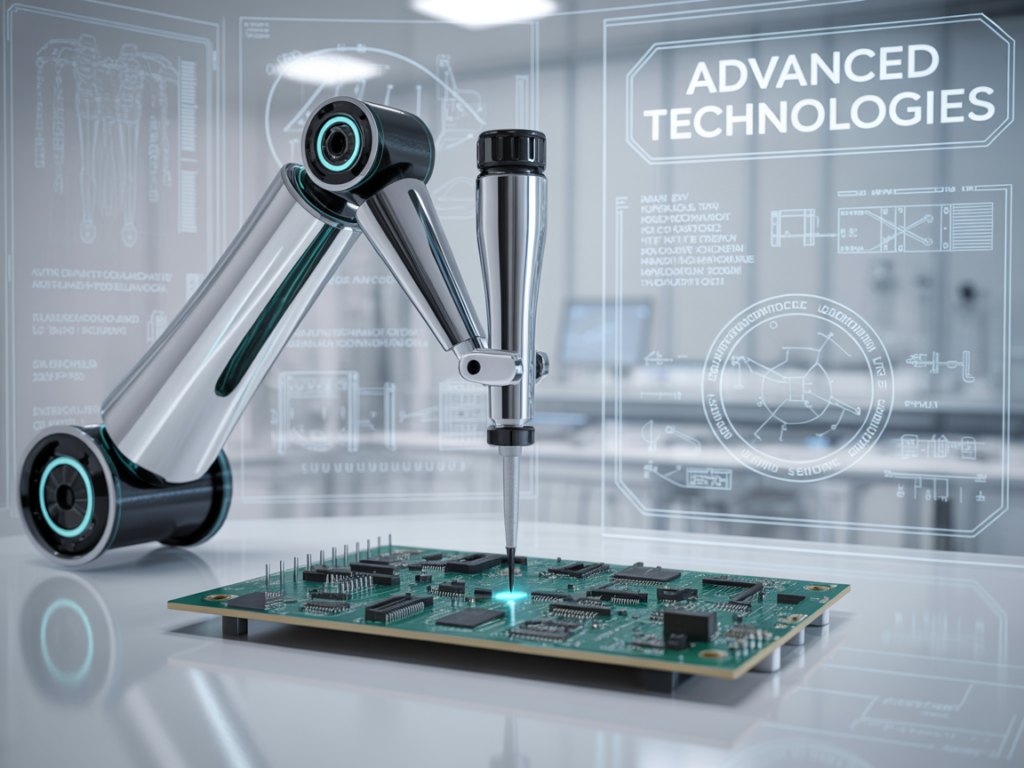
In this long-form analysis, we’ll explore 10 powerful emerging technologies of 2025, their real-world impact, and what they mean for the future of society, business, and sustainability. Whether you’re an investor, policymaker, or tech enthusiast, understanding these innovations is essential for navigating what’s ahead.
1. Strengthening Digital Trust with Generative Watermarking
In an age of deepfakes and AI-generated misinformation, trust in digital content is a growing concern. Generative watermarking—embedding invisible markers into AI-produced text, images, and videos—offers a solution.

- Why it matters: With tools like ChatGPT and MidJourney producing human-like content, it’s harder than ever to verify authenticity. Generative watermarking helps regulators, companies, and users identify whether a piece of content was machine-generated.
- U.S. context: The White House’s AI Bill of Rights has emphasized accountability in AI, and watermarking aligns with these principles.
- Impact: Expect social platforms, media outlets, and even government agencies to adopt watermarking to combat disinformation campaigns ahead of the 2024 U.S. elections.
📊 Did you know? According to a Pew Research survey, 79% of Americans worry about AI being misused to spread false information.
2. Collaborative Sensing for Smarter Cities
Imagine a city where streetlights, cars, and sensors communicate in real time to reduce traffic jams and pollution. Collaborative sensing networks are turning this vision into reality.

- Applications: Traffic optimization, environmental monitoring, and emergency response systems.
- Example: In New York City, collaborative sensor networks are already being piloted to track air quality block by block.
- Future potential: U.S. smart cities could reduce carbon emissions and save billions in infrastructure costs by deploying large-scale sensing systems.
3. Breakthrough Biotechnology: Living Therapeutics
Healthcare is entering a new frontier with living therapeutics—genetically engineered cells or microbes that live inside the human body and continuously produce treatments.

- How it works: Instead of taking daily medication, patients could host engineered cells that release medicine automatically.
- Case study: Startups in Boston are pioneering microbes that release insulin-like proteins for diabetes management.
- Impact: Lower costs, long-term efficiency, and potentially life-changing outcomes for chronic illness patients.
4. GLP-1 Treatments for Neurodegenerative Diseases
GLP-1 drugs, originally designed for diabetes, are now showing promise in treating Alzheimer’s and Parkinson’s.

- Medical significance: These drugs reduce brain inflammation, one of the root causes of neurodegeneration.
- Market opportunity: By 2030, the U.S. Alzheimer’s treatment market could exceed $15 billion (Statista).
- Social impact: With nearly 7 million Americans projected to suffer from Alzheimer’s by 2025, breakthroughs like GLP-1 could transform public health.
5. Structural Battery Composites
What if your car’s body wasn’t just a shell but also a battery? Enter structural battery composites, materials that store energy while also serving as part of a device’s physical frame.
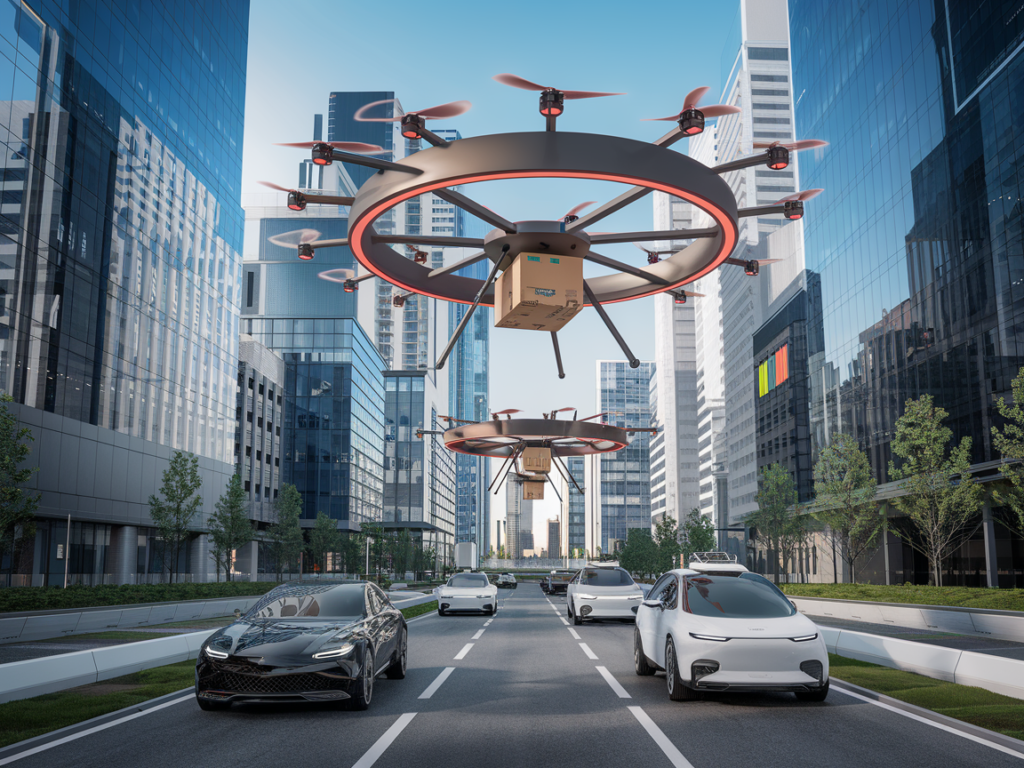
- Applications: Electric vehicles, drones, and even aircraft.
- Benefits: Lighter vehicles, longer ranges, and lower costs.
- U.S. relevance: With the Biden administration investing $7.5 billion in EV infrastructure, structural batteries could accelerate mainstream adoption.
6. Green Nitrogen Fixation
Fertilizer production consumes vast amounts of energy. But green nitrogen fixation offers a cleaner alternative.

- Innovation: Producing ammonia for fertilizers without fossil fuels.
- Global stakes: Fertilizer accounts for 1.8% of global CO₂ emissions (International Energy Agency).
- Impact in the U.S.: Could lower farming costs and reduce reliance on natural gas for agriculture.
7. Osmotic Power Systems
Osmotic power, which generates electricity from the salinity difference between freshwater and seawater, is gaining traction.

- Potential: The U.S., with its extensive coastline and rivers, is well-positioned to harness osmotic energy.
- Advantages: Clean, renewable, and highly scalable.
- Challenge: Technology is still expensive, but rapid progress could make it commercially viable by the 2030s.
8. Advanced Nuclear Technologies
Despite decades of debate, nuclear energy is making a comeback. Small Modular Reactors (SMRs) and other advanced nuclear systems promise safer, cheaper, and more flexible energy generation.
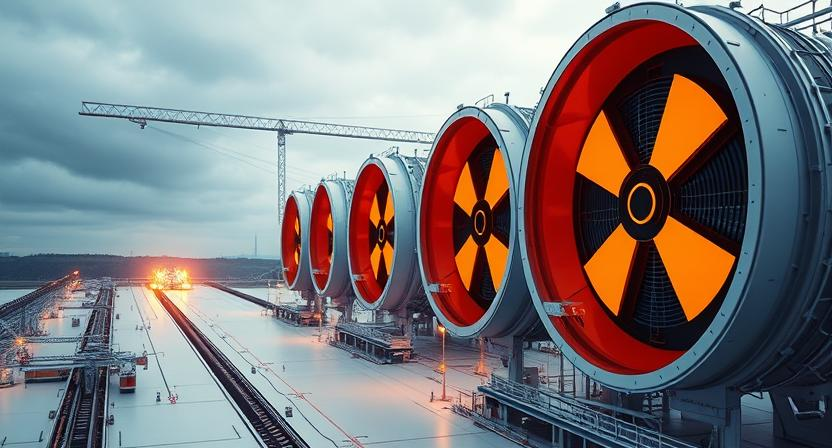
- Why it matters: As the U.S. pushes for net-zero carbon by 2050, nuclear energy could provide the stable baseload power that renewables can’t.
- Advantage: SMRs can be deployed in remote areas, reducing dependence on fossil fuels.
- Market outlook: By 2035, SMRs could represent a $150 billion global industry.
9. Nanotechnology for Sustainable Manufacturing

Nanomaterials are enabling stronger, lighter, and more efficient industrial products.
- Applications: From aerospace to consumer electronics.
- Example: U.S. startups are developing nano-coatings that make EV batteries safer and more durable.
- Environmental impact: Less waste, better recycling, and higher energy efficiency.
10. AI-Driven Healthcare Diagnostics
AI isn’t just for chatbots—it’s revolutionizing medical diagnostics.
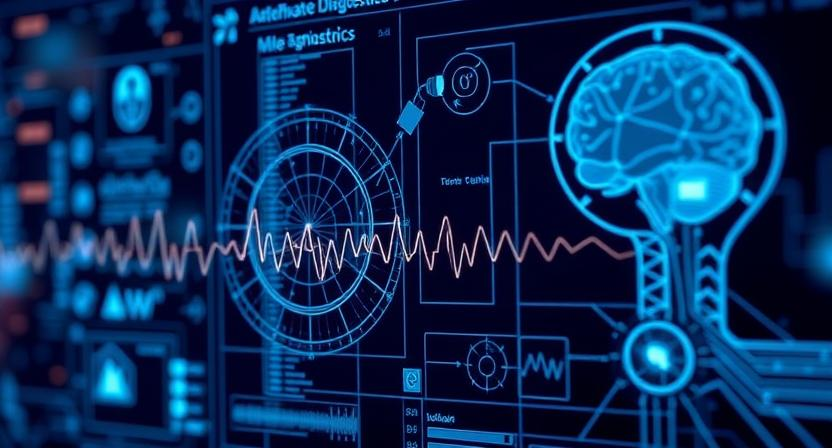
- Applications: Detecting cancer in early stages, predicting heart attacks, and even analyzing mental health patterns.
- Real-world case: The Mayo Clinic is testing AI tools that analyze CT scans more accurately than traditional methods.
- Benefit: Lower healthcare costs, faster diagnosis, and improved patient outcomes.
Broader Implications: Economy, Jobs, and Ethics
These advanced technologies go beyond science—they’re reshaping economies and raising ethical questions.
- Economy: By 2030, emerging technologies could contribute $15 trillion to the global economy (PwC).
- Jobs: Automation may displace certain roles, but new tech-focused jobs will emerge.
- Ethics: Who owns data in AI-driven healthcare? How do we regulate genetic engineering? These debates will intensify.
FAQs
Q1: Which advanced technology will impact daily life the most in the U.S. by 2025?
AI-driven healthcare and digital trust innovations (like watermarking) are set to have the most immediate impact.
Q2: Are these technologies affordable for small businesses?
Yes—cloud platforms and government incentives are lowering entry costs for startups.
Q3: What’s the biggest risk of these innovations?
Short product lifespans and regulatory uncertainty, particularly in the biotech and nuclear industries.
Conclusion: A Future Powered by Advanced Technologies
By 2025, advanced technologies will not only redefine industries but also transform the way Americans live and work. From cleaner energy and breakthrough healthcare to stronger digital trust, the coming decade promises both challenges and opportunities.
At Wiztechno.com, we’ll continue tracking these shifts, helping you stay ahead in a rapidly evolving world.




This article provides a fascinating glimpse into the transformative potential of emerging technologies. Im excited about the advancements in healthcare and sustainability, but concerned about the ethical and economic implications discussed. Great overview!J.League
Thank you so much for your thoughtful feedback!
We’re glad you enjoyed the article and share your excitement about the potential of these technologies—especially in fields like healthcare and sustainability, where they can truly make a meaningful difference.
You’ve raised a crucial point about ethical and economic implications. These are essential conversations, and we believe that responsible innovation must include ongoing dialogue about equity, access, and ethical governance. It’s how we ensure progress benefits everyone.
We appreciate you adding depth to the discussion. Feel free to share any specific concerns or ideas—we’d love to hear more of your perspective!
The article highlights exciting advancements, but I wonder how accessible these innovations will truly be for average people and if the ethical concerns will be addressed effectively.
Thank you for your thoughtful comment! You’ve highlighted two crucial aspects of any technological advancement: accessibility and ethics
You got a very excellent website, Gladiolus I detected it through yahoo.