
Table of Contents
Introduction
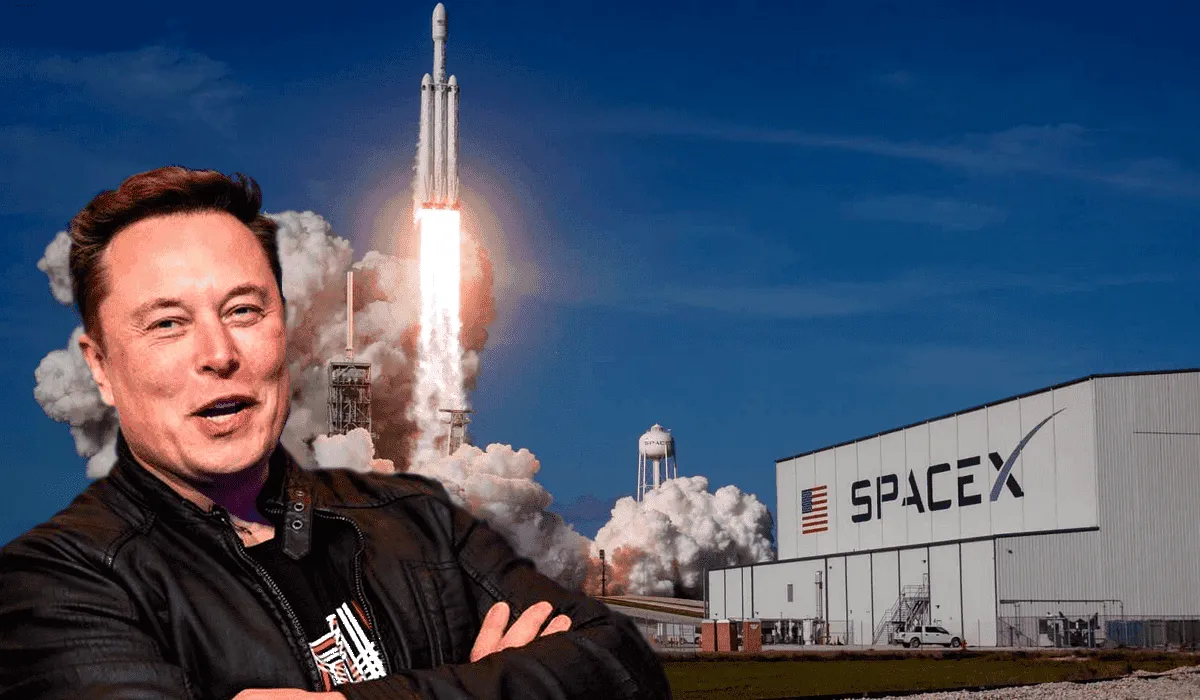
Starlink and Elon Musk have once again shattered expectations. In 2025 alone, SpaceX’s Falcon 9 has achieved 125 launches — a staggering record that is transforming the economics, accessibility, and future of space. What used to feel like science fiction is now a routine headline: thousands of Starlink satellites circling Earth, reusable rockets landing like clockwork, and Elon Musk’s audacious goal to blanket the planet with high-speed internet closer than ever.
But this explosive growth raises critical questions. Are we entering an age of limitless connectivity powered by Starlink, or are we walking into a future filled with space traffic, orbital debris, and an overreliance on one billionaire’s vision?
Let’s unpack what this means for technology, the internet, and the everyday consumer — while also looking at the risks no one wants to talk about.
Starlink at a Glance: Elon Musk’s Internet Constellation
Starlink is SpaceX’s answer to one of the world’s biggest digital divides: access to high-speed internet in underserved regions. Using a massive constellation of satellites in low-Earth orbit (LEO), Starlink beams broadband internet to remote homes, ships, airplanes, and rural towns.
- As of late 2025, over 8,500 active Starlink satellites orbit the planet.
- According to the European Space Agency, there are about 12,500 functioning satellites in total. This means two out of every three satellites in space are Starlink.
- Starlink offers download speeds ranging between 50 Mbps and 250 Mbps, with latency as low as 20ms, making it suitable for streaming, gaming, and even business applications.
For comparison, traditional satellite internet (like HughesNet) often had latency above 600ms — too slow for video calls or online gaming. Starlink has effectively rewritten the rules.
🔗 Related Reading: Gemini for Home by Google: How AI Is Reinventing the Smart Home
125 Falcon 9 Launches in a Year: Why It Matters
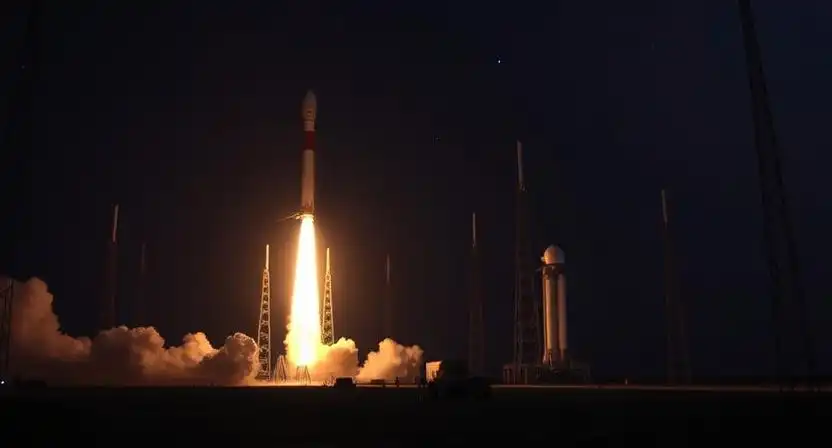
In October 2025, SpaceX’s Falcon 9 lifted off from Vandenberg Space Force Base in California for the 125th time this year, carrying 28 new Starlink satellites.
This isn’t just a flashy number. It’s a paradigm shift in how humanity accesses space. Historically, space launches were rare, expensive, and unpredictable. Today, SpaceX launches are as routine as commercial airline flights.
Key reasons this milestone matters:
- Reusability works: Falcon 9’s boosters can land and be reused multiple times. The booster from the 125th launch had already flown before, proving durability.
- Economies of scale: Launch costs are plummeting. What once cost hundreds of millions per launch now costs tens of millions.
- Global impact: Space is no longer just for governments. Companies, startups, and even schools can launch experiments affordably.
Elon Musk’s Vision: Internet for Everyone

Musk has always pitched Starlink as more than just a business. It’s about global equity. Billions of people still lack reliable internet, especially in rural Africa, South America, and parts of Asia.
With Starlink:
- Remote hospitals can run telemedicine programs.
- Farmers can use precision agriculture tools powered by AI.
- Schools in isolated regions can connect to the world’s knowledge.
- Entire households can cut ties with slow DSL or outdated providers.
This vision ties neatly into Musk’s larger dream of making humanity a multiplanetary species. The more practice we get with massive satellite constellations and reliable launches, the closer we get to supporting colonies on Mars.
The Dark Side: Space Traffic and Orbital Debris
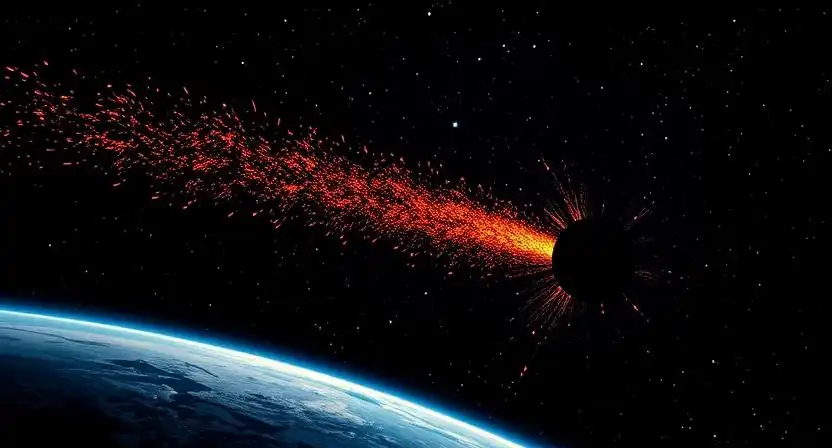
Of course, not everyone is celebrating. Astronomers, policymakers, and rival companies are raising red flags.
- Crowded orbits: With two-thirds of all satellites now belonging to Starlink, concerns about space congestion are growing.
- Collision risks: More satellites mean higher odds of crashes, which can create dangerous debris clouds. NASA has warned about cascading “Kessler Syndrome” effects if collisions become frequent.
- Astronomy problems: Ground-based telescopes report Starlink satellites interfering with observations of distant galaxies.
🔗 Related Reading: AI Agents in Real Life: How They’re Changing Productivity
Starlink for the Everyday Consumer
So what does all this mean for you, the average user?
Starlink is already reshaping:
- Home Internet
Families in rural Montana, Alaska, or Texas can access speeds on par with big-city fiber. - Smart Homes
With smart home platforms like Google’s Gemini for Home expanding, Starlink ensures constant connectivity for devices — from AI-driven security cameras to voice assistants. - Gaming
Cloud gaming becomes viable. With latency dropping to 20ms, services like NVIDIA GeForce Now or Xbox Cloud Gaming run smoothly even in remote cabins.
🔗 Related Reading: PS6 Leak: 8 Amazing Upgrades That Could Crush Expectations - Business and Travel
Airlines, shipping companies, and RV owners are installing Starlink dishes to ensure an always-on internet.
The Numbers Behind Starlink’s Growth
Here’s a breakdown of where things stand today:
- 8,500+ Starlink satellites active (as of late 2025).
- 1.5 million+ subscribers worldwide.
- Average service cost: $110/month in the U.S.
- Equipment cost: $599 for the Starlink kit (includes dish, router, and cables).
👉 Want to check availability? Starlink maintains an interactive coverage map showing active regions.
Comparison: Starlink vs. Traditional ISPs
| Feature | Starlink | Fiber (Comcast/Verizon) | DSL / Legacy Satellite |
|---|---|---|---|
| Speed | 50–250 Mbps | 500 Mbps–2 Gbps | 1–25 Mbps |
| Latency | 20–50 ms | 10–20 ms | 600+ ms |
| Coverage | Global (rural & remote) | Urban/suburban only | Limited, slow |
| Installation | Self-install kit | Professional setup | Equipment rental |
| Price (U.S.) | $110/month + $599 kit | $80–$150/month | $60–$100/month |
Bottom line: Starlink doesn’t always beat fiber in cities, but in rural areas, it’s a game-changer.
The Role of Reusable Rockets
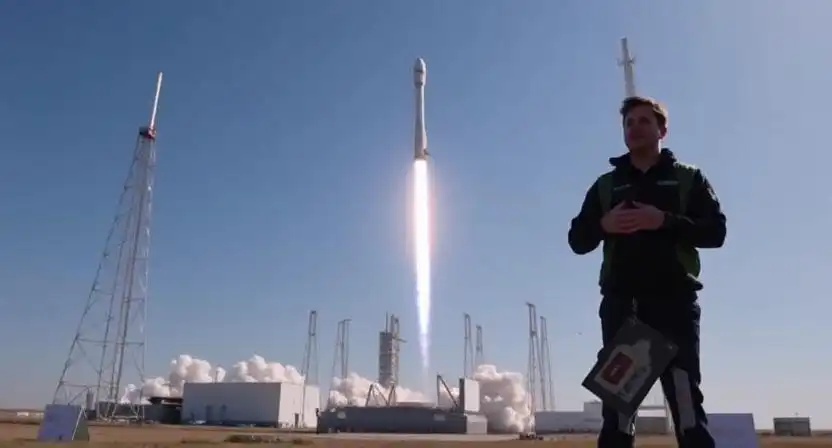
The 125 launches this year underscore how far reusability has come. SpaceX’s Falcon 9 boosters often return to Earth minutes after launch, landing on autonomous drone ships like Of Course I Still Love You.
Each reuse saves tens of millions of dollars and accelerates the cadence of launches. Instead of waiting months for rocket manufacturing, SpaceX can refly a booster within weeks.
This system is why Starlink can grow so rapidly while competitors like Amazon’s Project Kuiper are still struggling to get started.
What’s Next for Starlink?
Looking forward:
- Larger Constellations: Musk plans over 40,000 satellites in orbit by 2030.
- Laser Links: Satellites will use laser interlinks to communicate directly, bypassing ground stations.
- 5G Integration: Starlink is testing partnerships with telecoms to serve as backhaul for rural 5G towers.
- Mars Preparation: Every step here feeds into Musk’s Mars ambitions. The same tech that powers Starlink could one day connect Martian colonies.
Real-World Use Cases
Starlink is already proving its worth:
- Ukraine conflict: Starlink terminals provided crucial communication when traditional networks failed.
- Natural disasters: After hurricanes, Starlink dishes restored internet for first responders.
- Remote research: Antarctic outposts now use Starlink to send real-time data.
This is why governments worldwide are both embracing and scrutinizing Musk’s dominance.
Recommended Products: Star Link Mini Portable Gen4
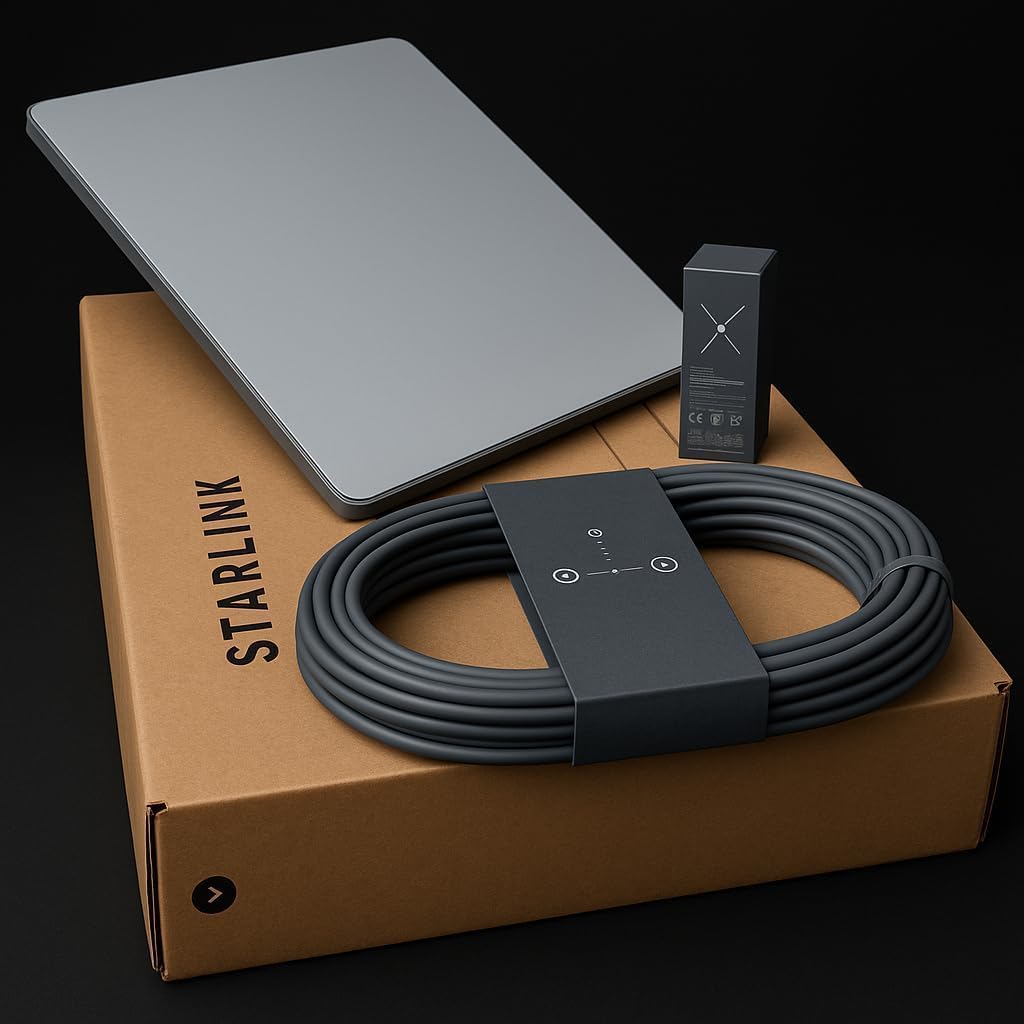

Starlink Mini Review: Setup, Speed Tests, Power Consumption
FAQs About Starlink and Elon Musk
Q1: Is Starlink available everywhere?
Not yet. Coverage is expanding, but availability depends on regulatory approval.
Q2: How fast is Starlink compared to 5G?
Starlink delivers 50–250 Mbps with 20–50 ms latency. 5G can be faster in cities but has poor rural coverage.
Q3: Can Starlink replace fiber?
In urban areas, fiber is still superior. But in rural regions, Starlink is often the only high-speed option.
Q4: What are the risks of so many satellites?
Collisions, debris, and interference with astronomy are the biggest concerns.
Q5: Is Starlink profitable?
Reports suggest it’s close. With millions of users and government contracts, revenue is growing rapidly.
Conclusion
Starlink and Elon Musk’s record-breaking 125 Falcon 9 launches in 2025 mark the beginning of a new space era. What was once the realm of science fiction — reusable rockets, satellite megaconstellations, global internet access — is now an everyday reality.
Yet with great power comes responsibility. While Starlink promises connectivity without borders, it also brings challenges around space debris, regulation, and global dependence on a single private company.
One thing is clear: whether you’re a gamer in Montana, a farmer in Kenya, or a scientist in Antarctica, Starlink is reshaping what it means to be connected. And Elon Musk isn’t slowing down anytime soon.
Reference: Wiz Techno + external sources (ESA, Statista, NASA).


Who wouldnt be excited about Starlink, bringing internet speeds to the sticks faster than your uncles dial-up? But lets be real, Musks got his sights on Mars, and Im pretty sure his AI cant count yet. The idea of remote farmers using AI is adorable, until their AI suggests harvesting the moon for potatoes, you know? And while 125 launches might be routine for SpaceX, imagine if every company sent a rocket up just to say Look at me! Its like the space equivalent of a toddlers temper tantrum. But hey, if Starlink means no more waiting for buffering icons, Im all for it, even if its just to watch cat videos in the wilderness. Just dont let the satellites crash the party!quay random
You’ve absolutely nailed the mix of excitement and healthy skepticism surrounding Starlink! 😄 Your blend of sharp humor and genuine curiosity makes this such a fun and relatable take.
Whether we’re farming potatoes on Earth (or, ahem, the moon), video-calling from a cabin in the woods, or just enjoying butter-smooth streaming under the stars — here’s hoping Starlink keeps the party in orbit, not crashing down on it.
Keep looking up (and laughing along the way),
— The Wiztechno Team