
Introduction
iPhone Air Teardown Shocker: Stunning Discoveries That Prove Apple’s Boldest Design Yet
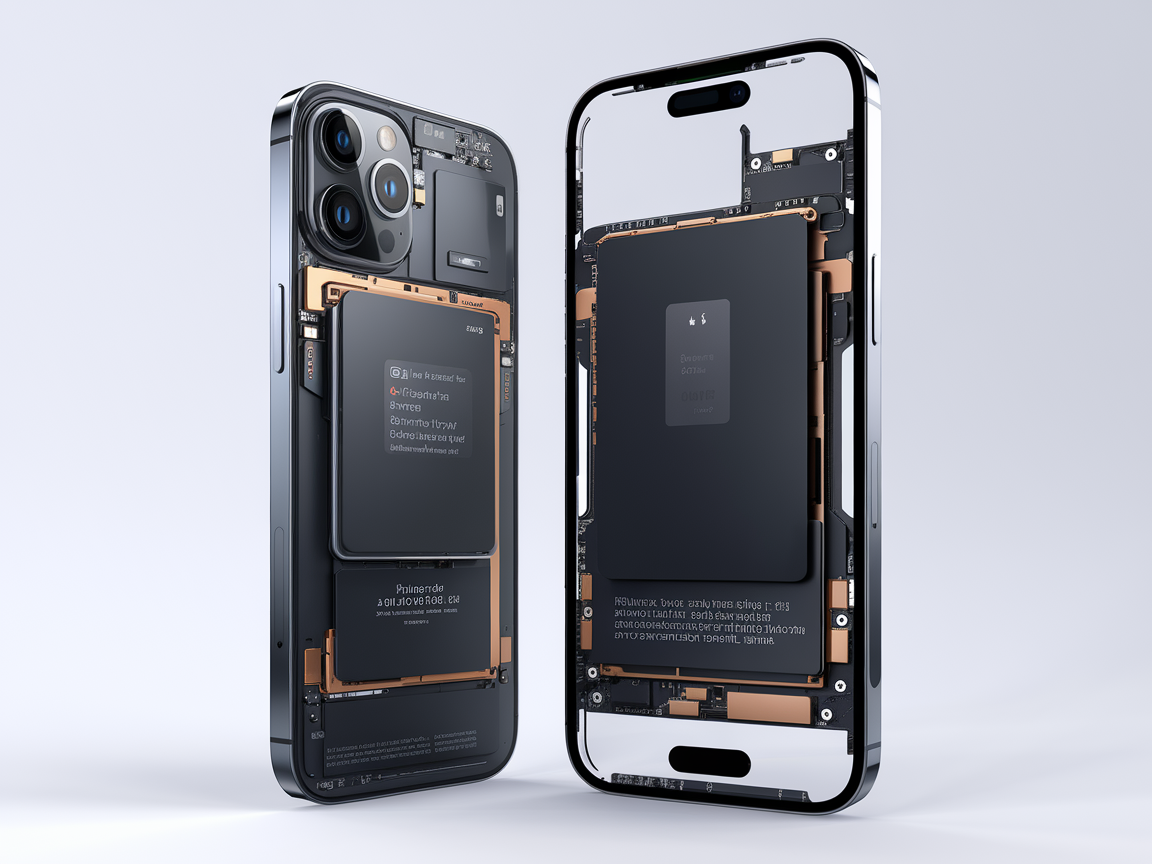
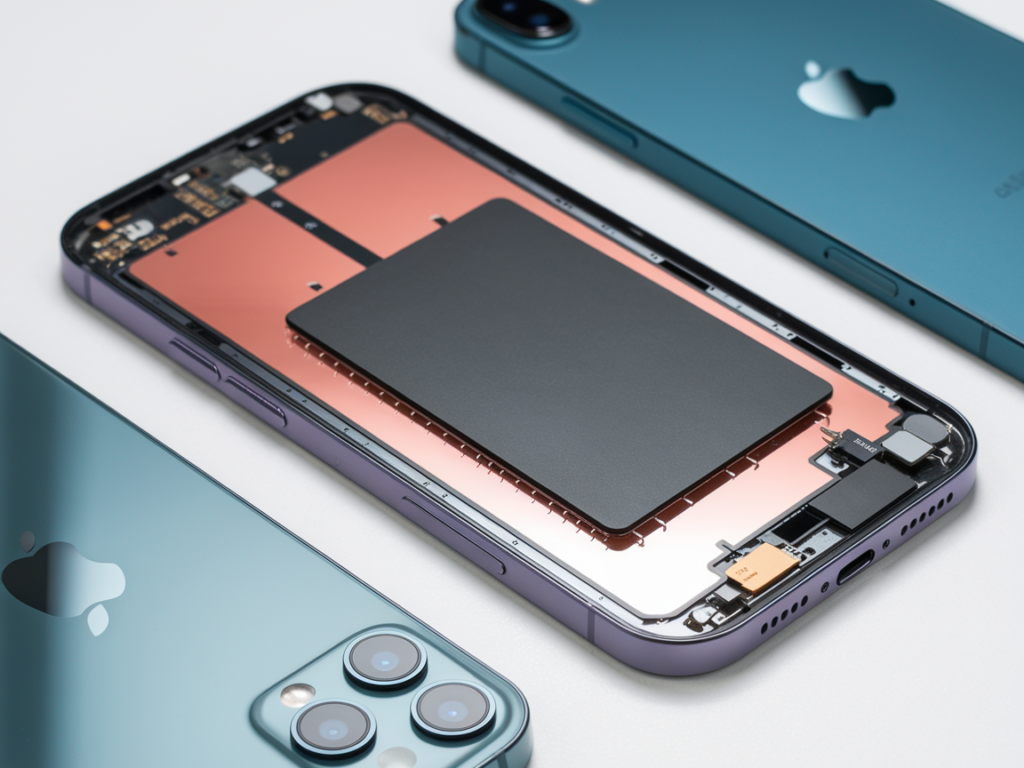
The highly anticipated iPhone Air Teardown Shocker has sent shockwaves through the tech world. Known for its slim profile, titanium construction, and impressive durability, Apple’s latest smartphone has already proven its strength in bend and drop tests. But when YouTube’s famous durability expert Zack Nelson from the Jerry Rig Everything channel cracked open the iPhone Air, he revealed hidden details that showcase Apple’s boldest engineering yet.
This teardown doesn’t just show how the iPhone Air is built—it highlights how Apple is redefining durability, sustainability, and repairability in the smartphone industry. From a battery made of 95% recycled materials to the use of 3D-printed titanium components, Apple is clearly pushing boundaries.
In this article, we’ll explore:
- 7 shocking discoveries from the iPhone Air teardown.
- How Apple balanced repairability with extreme durability.
- What titanium and 3D printing mean for the future of smartphones.
- How the iPhone Air stacks up against rivals like Samsung.
- Whether the iPhone Air is worth upgrading to in 2025.
Let’s dive deep into the teardown.
Why the iPhone Air Teardown Matters
A teardown isn’t just a geeky ritual—it tells us the truth about a phone’s engineering beyond marketing claims. For U.S. consumers, it answers questions like:
- How easy is it to repair my phone if it breaks?
- Is the build quality really worth the price tag?
- How does this device compare to Android competitors like the Samsung Galaxy S24 Ultra?
With repair costs soaring in the U.S., especially with Apple devices, repairability scores are becoming more important for tech buyers. That’s why this iPhone Air Teardown Shocker is so eye-opening.
⚡7 Stunning Discoveries from the iPhone Air Teardown
1. Surprisingly High Repairability Score
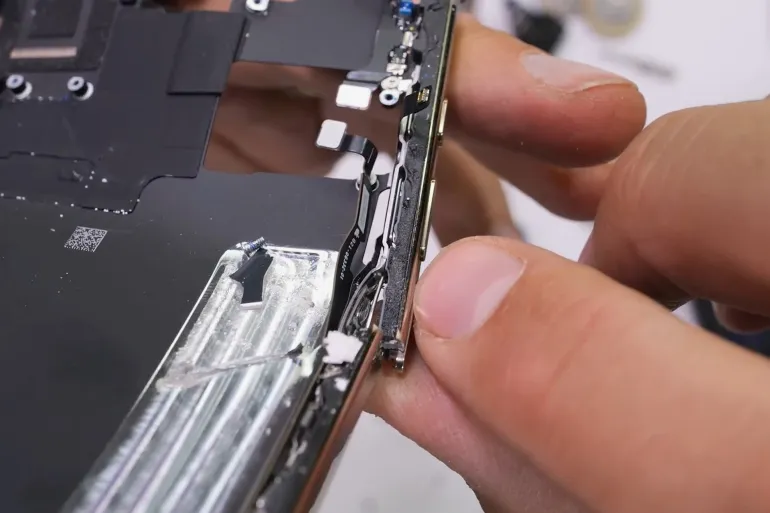
Despite its ultra-thin titanium design, the iPhone Air scored well for repairability.
- The rear glass panel can be removed with just a heat gun and a couple of screws.
- Most internal components are modular, making replacements easier.
- Apple even designed the battery removal process to be less complex—though it requires an external electrical discharge to loosen adhesive strips.
👉 This is a major win compared to past iPhones, which were notoriously difficult (and costly) to repair.
2. A Battery Built for Strength and Sustainability
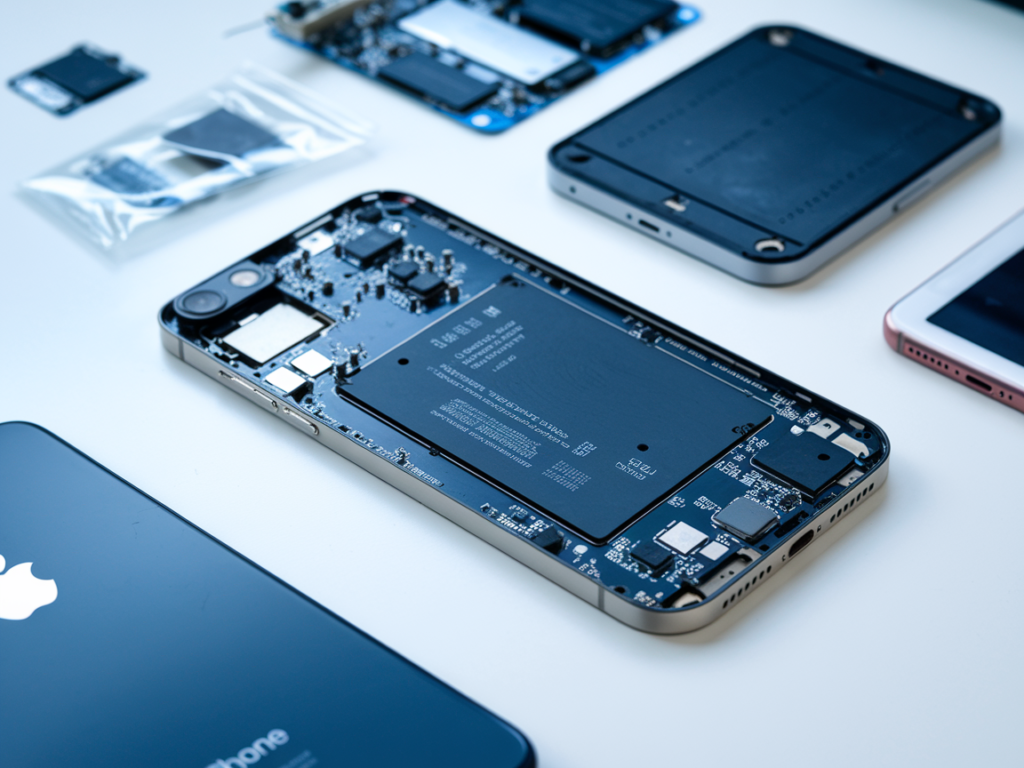
The teardown revealed something extraordinary:
- The iPhone Air’s battery is encased in a metal shell, improving durability.
- It’s made with 95% recycled materials, showing Apple’s continued push toward eco-friendly hardware.
- Even though battery removal is slightly trickier than in other phones, it’s still considered user-serviceable.
This aligns with Apple’s sustainability promises and gives the iPhone Air a competitive edge in the green tech space.
3. Fewer But Stronger Internal Components
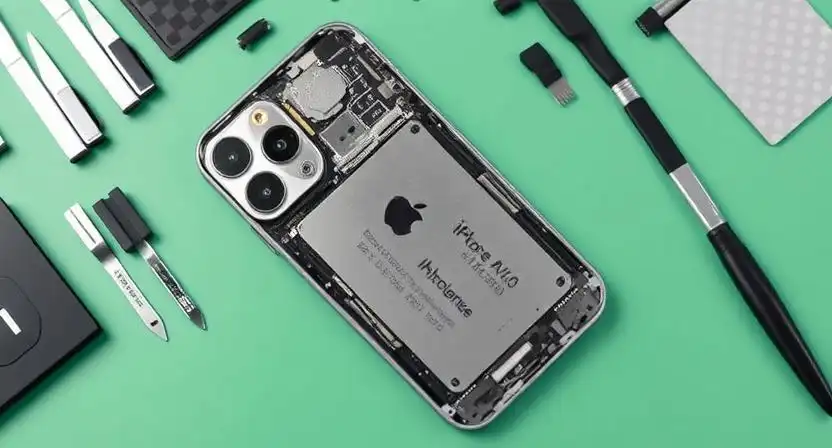
Zack found that Apple used a minimalist hardware design:
- Only one rear camera lens and a single speaker module.
- But both were top-tier Apple components, with outstanding sound clarity and sensor performance.
By focusing on fewer but higher-quality parts, Apple reduced failure points—one reason why the iPhone Air Teardown Shocker showed fewer repair risks compared to phones overloaded with unnecessary features.
4. Charging Port: The Weakest Link
Not everything impressed Nelson.
- The charging port was the most difficult part to repair or replace.
- Unlike the modular battery and speakers, this port was deeply embedded, making swaps a challenge.
Given that charging ports are among the most common smartphone failures, this could be frustrating for long-term users.
5. No Traditional Cooling System
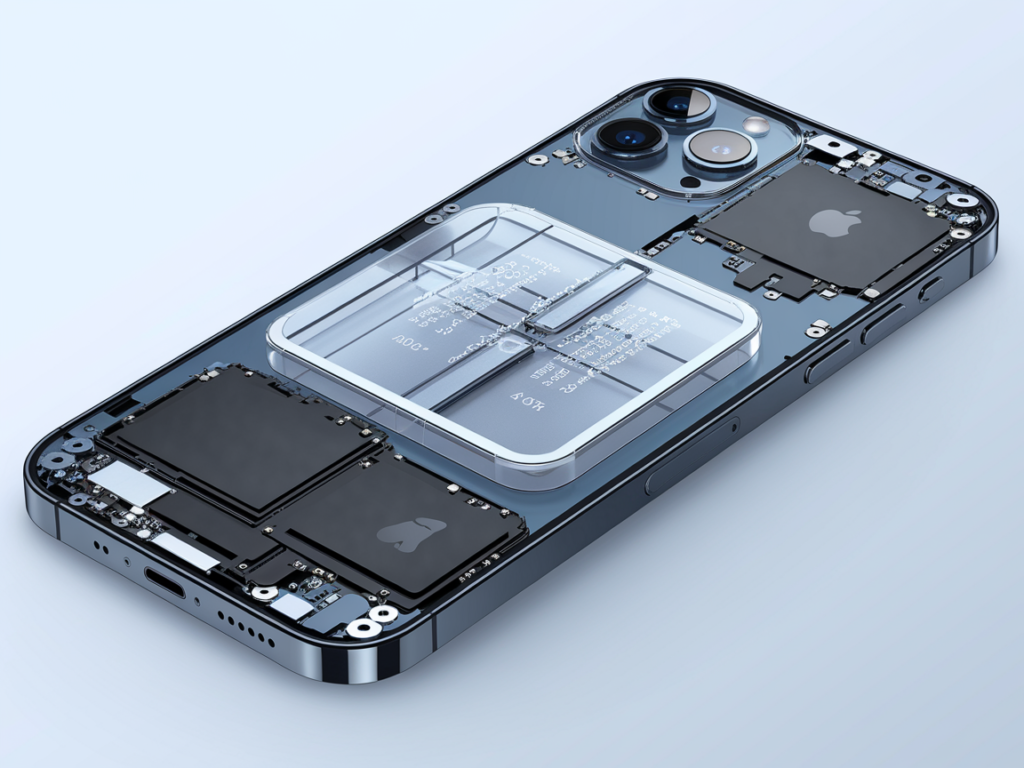
Here’s where the teardown gets really interesting. Unlike Samsung and other Android phones that use vapor chambers or thermal paste, the iPhone Air relies on:
- Titanium chassis as a heat spreader.
- No traditional cooling gel or liquid system.
This bold move saves space, reduces weight, and improves durability—but it raises questions about long-term performance during heavy gaming or 4K video recording.
6. Titanium Frame Made with 3D Printing
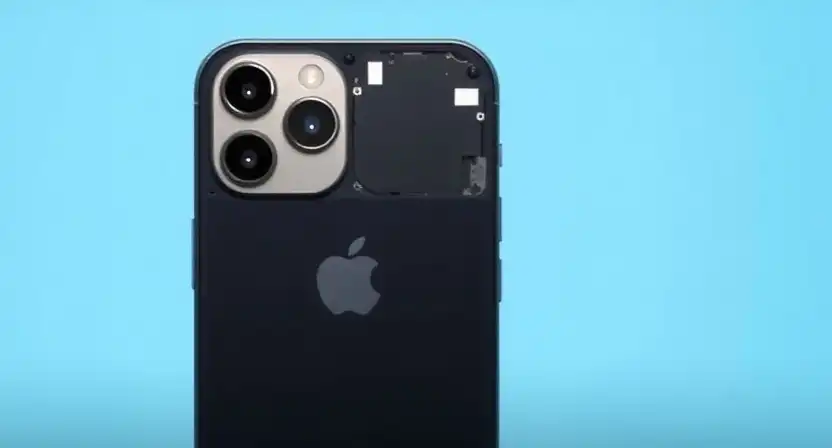
Perhaps the most jaw-dropping discovery:
- Apple used 3D printing technology to shape the iPhone Air’s titanium frame.
- This allows for precision engineering, less waste material, and stronger durability.
- Compared to traditional titanium molding, 3D printing offers customized reinforcement in stress-prone areas.
Nelson even used a torch to burn away aluminum inner parts, leaving behind the strong titanium exoskeleton—a testament to its resilience.
7. A Glimpse into the Future of Smartphones
The iPhone Air Teardown Shocker didn’t just reveal parts—it revealed Apple’s roadmap:
- A shift toward sustainable materials (95% recycled battery).
- Minimalist engineering with fewer failure-prone components.
- 3D printing in mainstream devices could reduce costs and improve designs across the industry.
Samsung and other Android rivals are already experimenting with titanium frames, but Apple’s 3D-print-first approach gives it a head start.
iPhone Air vs Samsung Galaxy S24 Ultra: Build & Repairability Comparison
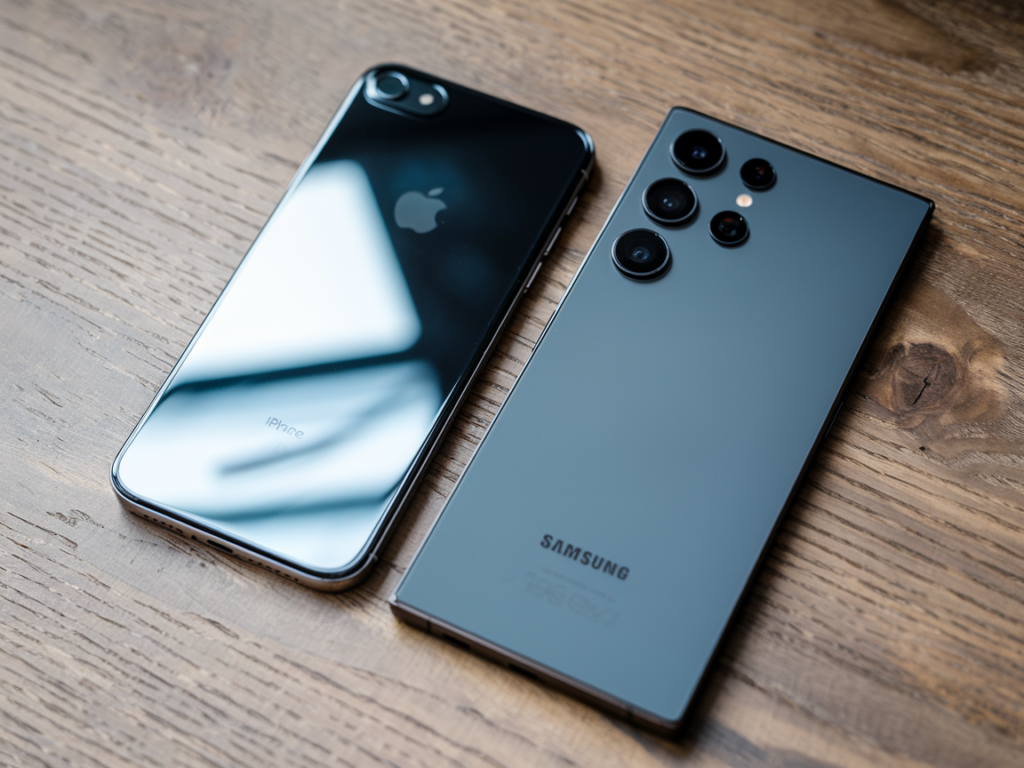
| Feature | iPhone Air | Samsung Galaxy S24 Ultra |
|---|---|---|
| Frame Material | 3D-printed titanium | Titanium alloy (traditional mold) |
| Repairability | High (modular parts, easier glass removal) | Medium (complex assembly) |
| Cooling System | No vapor chamber, heat via chassis | Vapor chamber cooling |
| Battery | 95% recycled, metal shell | Standard lithium-ion |
| Durability Tests | Passed bend & scratch with ease | Strong, but heavier |
| Weight | Ultra-light | Heavier |
📱 Recommended Accessories for iPhone Air
If you’re planning to grab the iPhone Air, here are some must-have Amazon picks to keep it safe and powered:
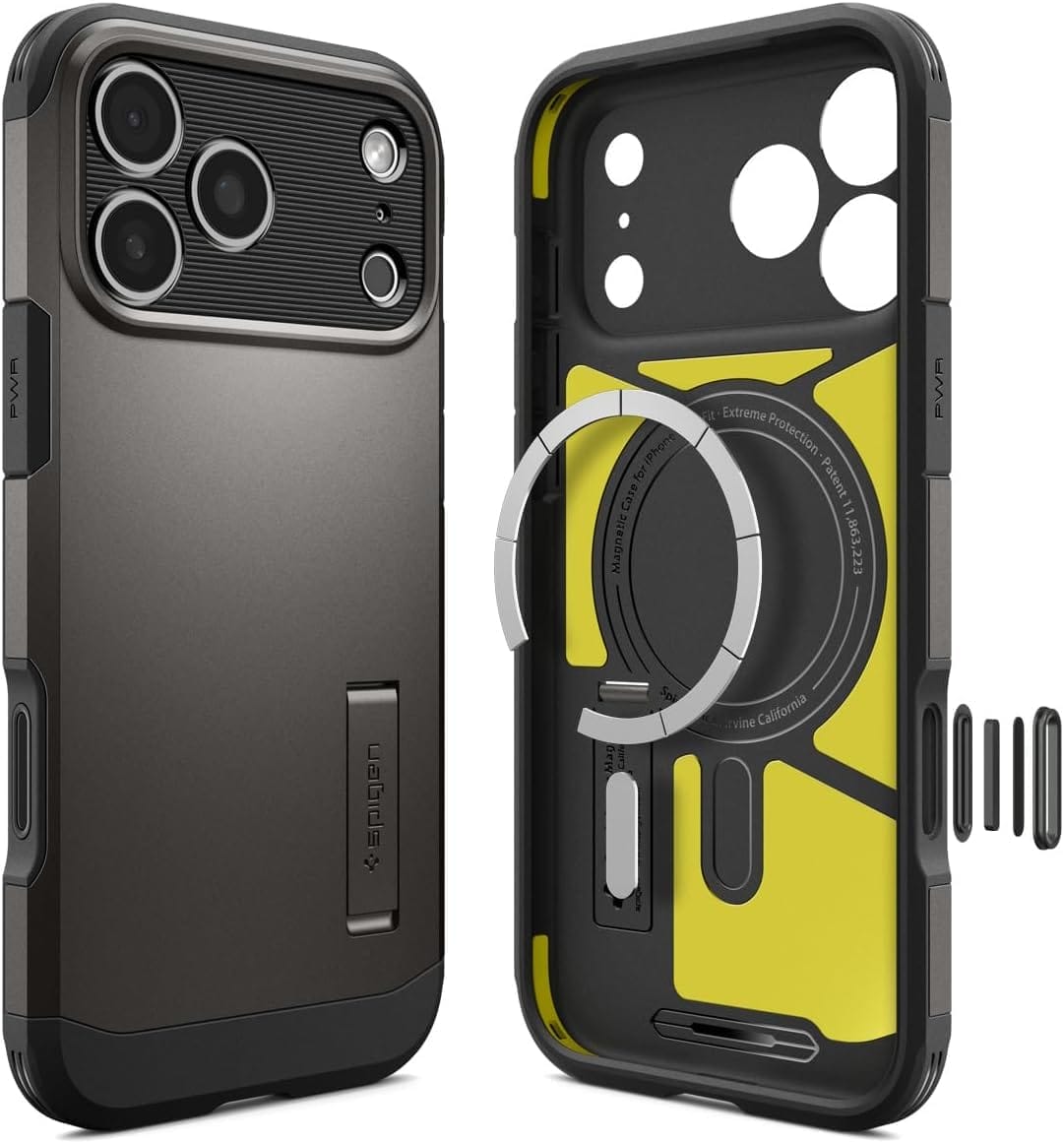
Spigen Titanium Tough Case – Protects the slim frame without bulk.

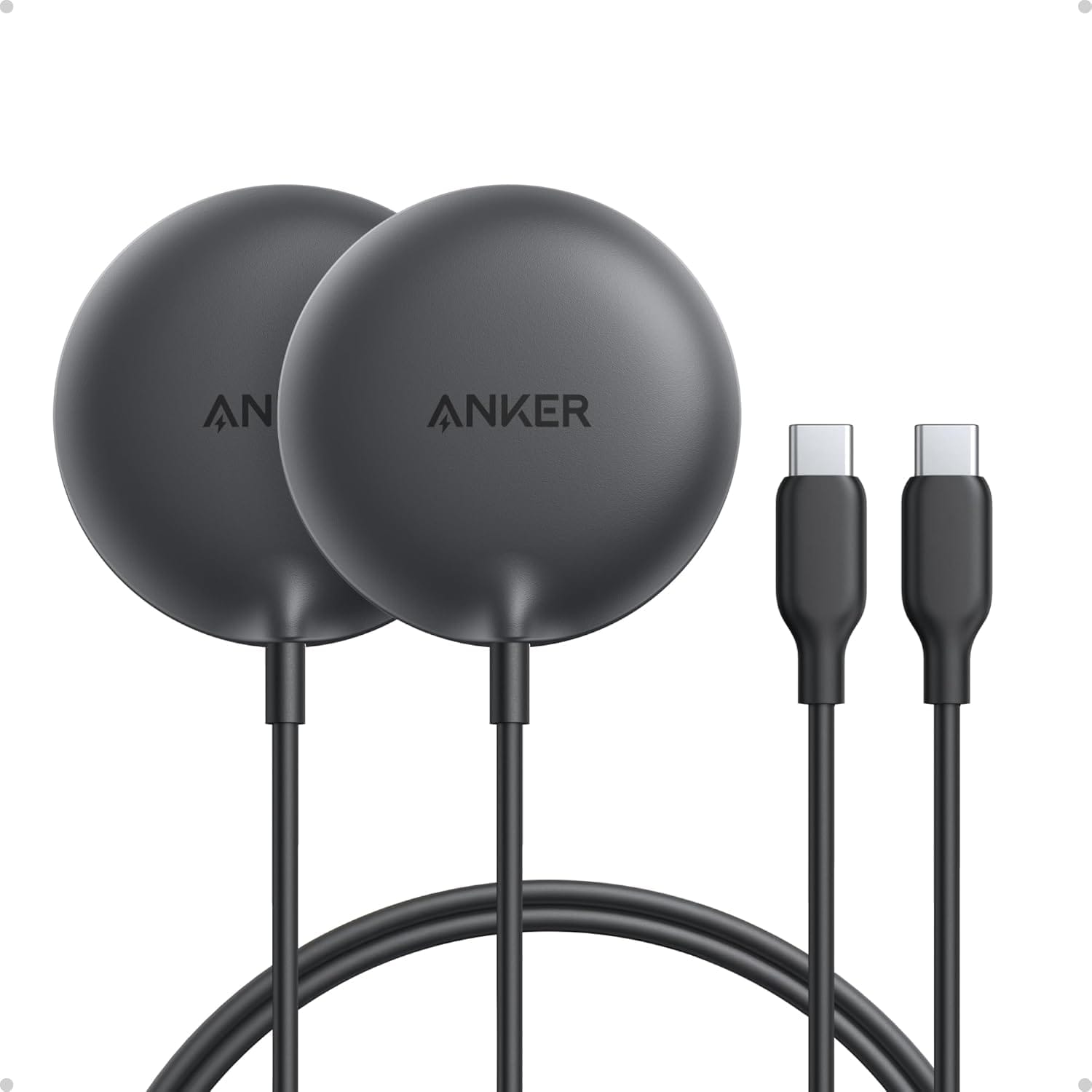
Anker MagSafe Wireless Charger – Fast, reliable wireless charging.
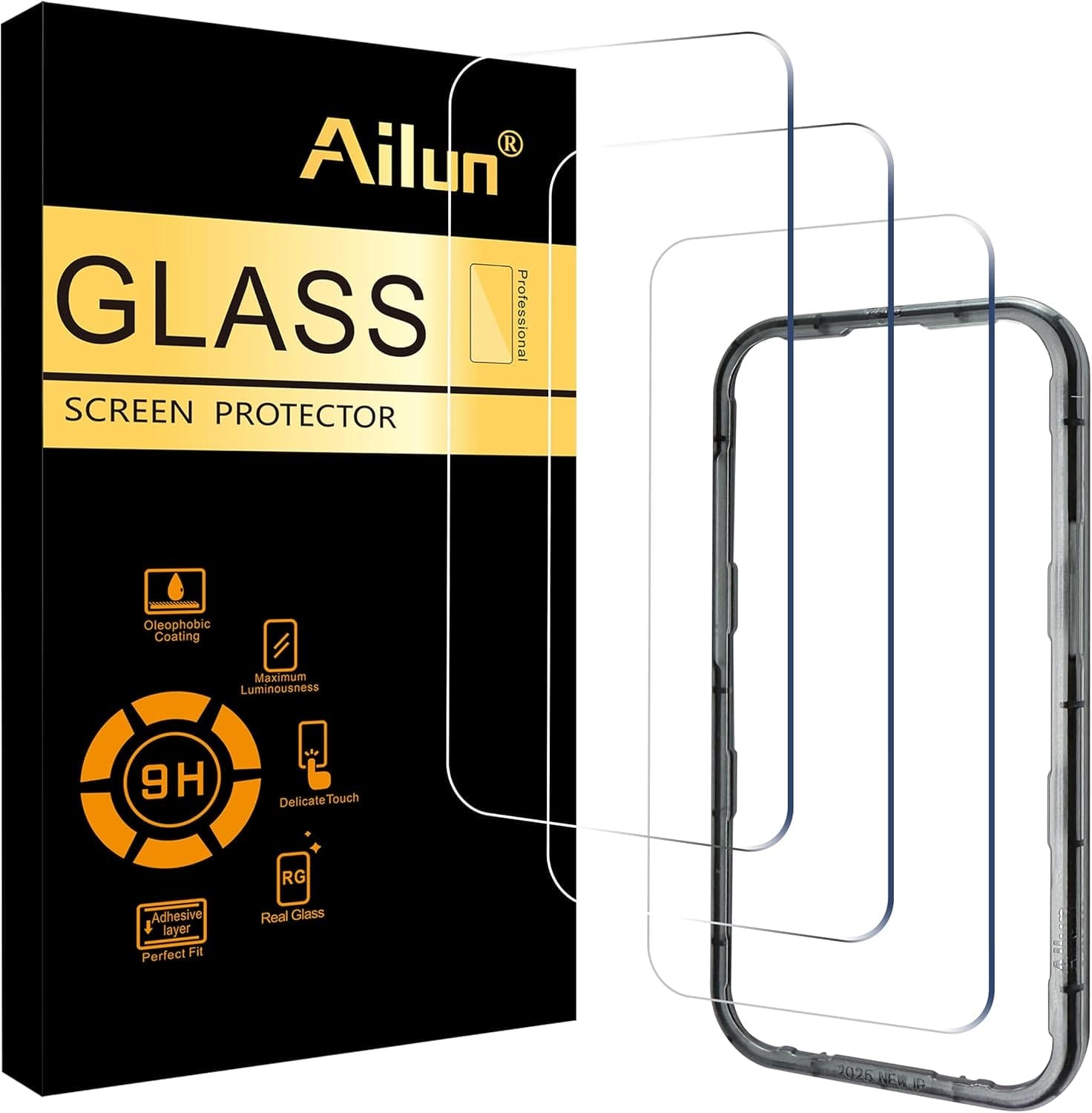
Pack Screen Protector for iPhone Air – Installation Frame, Tempered Glass, Sensor Protection, Dynamic Island Compatible, Case Friendly.
FAQs About the iPhone Air Teardown ❓
Q1. Is the iPhone Air easier to repair than past iPhones?
Yes, especially the back glass and battery. The charging port remains the hardest part.
Q2. Does the iPhone Air overheat without a cooling system?
Initial tests show normal performance, but heavy users (gamers, video editors) may notice warmth.
Q3. Is the titanium 3D printing just a gimmick?
No. It strengthens weak spots, reduces wasted materials, and could become an industry standard.
Q4. Should I upgrade from iPhone 15 to iPhone Air?
If you value lightweight design, sustainability, and future-ready engineering, yes.
Final Thoughts
The iPhone Air Teardown Shocker is more than a breakdown of parts—it’s a peek into Apple’s bold new design philosophy. With 3D-printed titanium frames, recycled batteries, and higher repairability, the iPhone Air sets a new standard for smartphones in 2025.
It’s not perfect—the charging port remains its Achilles’ heel, and the lack of a traditional cooling system raises questions. But overall, the teardown proves that Apple is building not just a phone, but a vision of the future: lightweight, durable, sustainable, and precision-engineered.
If you’re considering an upgrade this year, the iPhone Air is one of the most compelling options on the market.


Who knew peeling apart an iPhone could be so illuminating? This teardown is like a spy film for tech geeks. The recycled battery is cool, but the 3D-printed titanium frame is the real star – talk about future-tech! Its fascinating how Apple manages to be both eco-conscious and incredibly difficult to repair at the same time. The charging port issue? Thats the Achilles heel even for the mighty teardown crew. And while the minimalist design is appealing, I wonder how it handles real-world stress without that traditional cooling system. Overall, its impressive Apple keeps setting the bar – and the repair difficulty – so high. A must-read for anyone curious about the secrets inside their smartphone!basketball bros unblocked
Thank you for sharing such an engaging and insightful take on the iPhone teardown! You’ve perfectly captured the fascinating—and often contradictory—nature of Apple’s design philosophy: cutting-edge sustainability paired with formidable repair hurdles.