
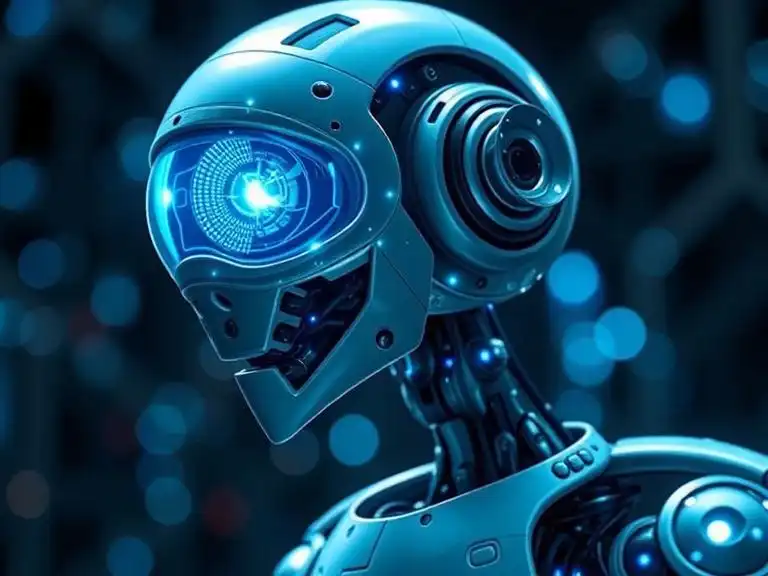
Artificial Intelligence (AI) has revolutionized numerous aspects of our lives, from simple tasks like scheduling appointments to complex operations such as predictive analytics in healthcare.
Amazing Facts About AI: The advancements in AI are not just incremental; they are transformative, changing how we interact with technology and each other. As we delve into AI, we uncover fascinating insights that highlight its potential and current impact.
This article will explore seven remarkable aspects of AI, showcasing its capabilities and the profound effects it has on various industries and our daily lives.
Key Takeaways
- Understanding the basics of Artificial Intelligence
- Exploring AI’s transformative impact on industries
- Discovering the potential of AI in daily life
- Learning about the future prospects of AI technology
- Recognizing the current limitations and challenges of AI
The Rapid Evolution of AI in 2023
In 2023, AI is not just evolving; it’s revolutionizing industries with its amazing capabilities. The field of artificial intelligence has seen tremendous growth, with advancements in machine learning, natural language processing, and computer vision.
One of the most significant developments is the increased application of AI in real-world scenarios, from healthcare and finance to transportation and education. For instance, AI-powered diagnostic tools are enhancing medical diagnosis accuracy, while AI-driven predictive analytics are helping businesses make informed decisions.
The artificial intelligence landscape is becoming increasingly sophisticated, with innovations like explainable AI and edge AI gaining traction. These advancements are not only making AI more accessible but also more amazing in its capabilities.
As AI continues to evolve, it’s clear that its impact on various sectors will be profound, leading to improved efficiencies, new business models, and unprecedented opportunities for growth.
AI Can Now Create Award-Winning Art and Music
AI systems are now capable of producing creative works that rival those of humans, leaving a significant mark on the art and music industries. This development has sparked both fascination and debate among art enthusiasts and experts alike. The capability of AI to create complex, aesthetically pleasing, and emotionally resonant art challenges traditional notions of creativity.
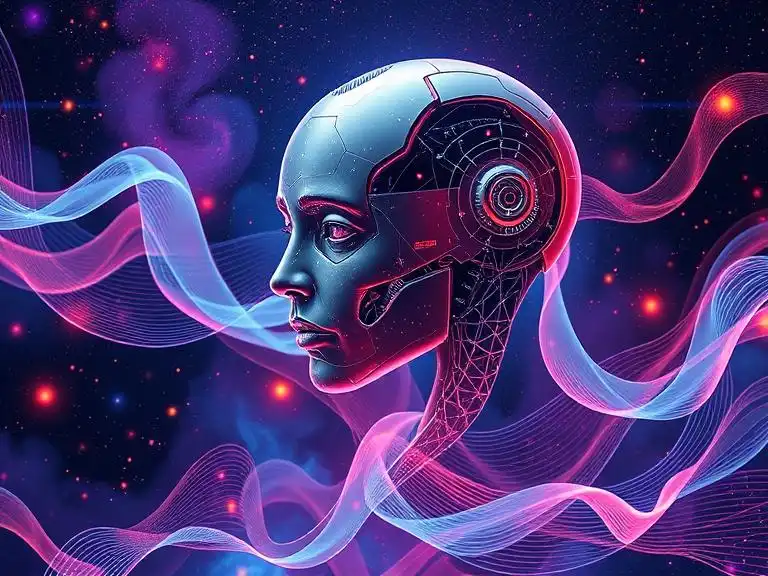
The creative potential of AI is vast, with applications ranging from generating visual art to composing music. Recent advancements have enabled AI systems to not only mimic but also innovate within various art forms, often blurring the line between human and machine creativity.
Recent AI-Generated Works That Fooled Expert Judges
Several instances have been documented where AI-generated art has deceived expert judges into believing the works were created by humans. For example, an AI-generated portrait, Edmond de Belamy, was sold at Christie’s auction house for $432,500 in 2018. The portrait was created using a generative adversarial network (GAN), a type of neural network designed to generate new images based on existing ones.
Similarly, AI-composed music has also gained recognition. An AI-generated album, Amper Music, was produced using an AI music composition platform, showcasing the potential of AI in creating complex musical compositions that resonate with listeners.
How Neural Networks Mimic Human Creativity
Neural networks, particularly GANs and recurrent neural networks (RNNs), are at the heart of AI’s creative capabilities. These networks are trained on vast datasets of existing art and music, allowing them to learn patterns, styles, and structures. By analyzing these datasets, AI systems can generate new works that reflect the characteristics of the training data, effectively mimicking human creativity.
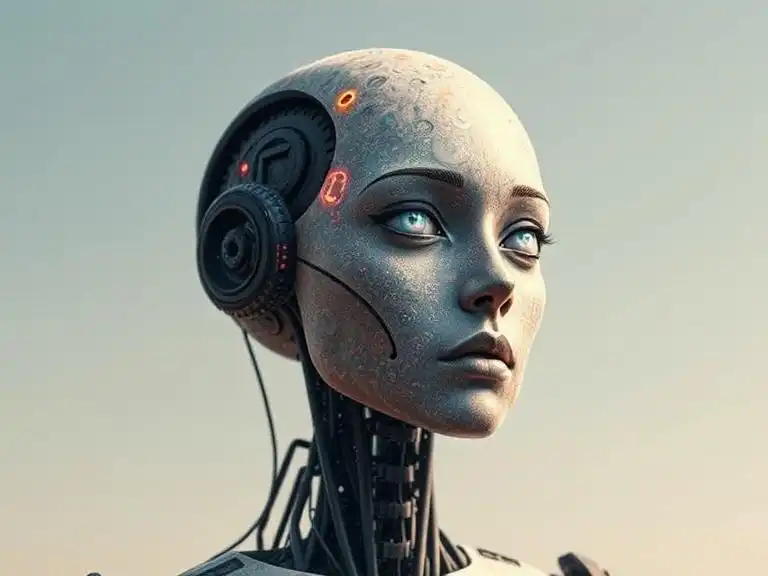
The process involves complex algorithms and significant computational power, enabling AI to explore new frontiers in art and music. As AI continues to evolve, it’s likely that we’ll see even more sophisticated and innovative creative works emerge, expanding our understanding of what it means to be creative.
AI Systems Can Predict Health Crises Days Before They Happen
The use of AI in medical diagnostics has reached a new milestone with its capacity to forecast health issues days in advance. Artificial intelligence is being increasingly utilized in healthcare to predict and prevent life-threatening conditions, revolutionizing the way medical professionals approach patient care.
One of the most significant advancements in AI healthcare applications is the early detection of heart attacks and strokes. AI algorithms can analyze vast amounts of data from various sources, including wearable devices and medical records, to identify patterns that may indicate an impending health crisis.
Groundbreaking Early Detection of Heart Attacks and Strokes
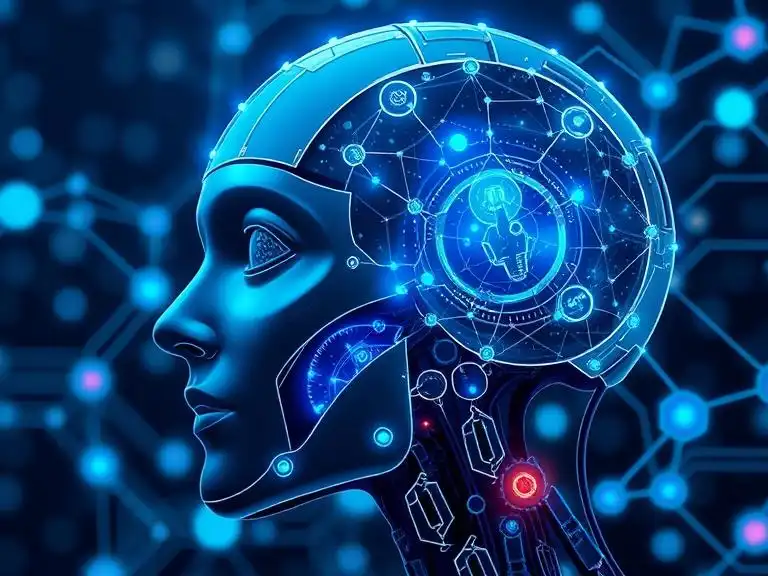
AI systems have been shown to predict cardiovascular events with a high degree of accuracy. For instance, a study published in a leading medical journal highlighted that an AI-powered system was able to predict heart attacks up to 5 days before they occurred with an accuracy rate of over 90%. This is achieved through the analysis of subtle changes in patient data that may not be apparent to human clinicians.
How Wearable AI Is Saving Lives Today
The impact of wearable AI on healthcare is significant. For example, devices like smartwatches can now detect atrial fibrillation, a common cause of stroke, and alert the wearer to seek medical attention. According to a recent report, the use of wearable AI devices has led to a substantial increase in the early detection of cardiovascular conditions, potentially saving thousands of lives.
“The integration of AI in healthcare is not just about improving efficiency; it’s about saving lives through early detection and prevention.”
To further illustrate the impact of AI in healthcare, let’s examine a comparative table highlighting the differences between traditional methods and AI-powered predictive analytics.
| Aspect | Traditional Methods | AI-Powered Predictive Analytics |
|---|---|---|
| Data Analysis | Limited by human capacity to analyze data | Can analyze vast amounts of data quickly and accurately |
| Prediction Accuracy | Dependent on clinician experience and available data | Can achieve high accuracy through pattern recognition in large datasets |
| Early Detection Capability | May miss subtle patterns or early signs | Can detect health crises days before they happen |
By integrating AI into healthcare, we are witnessing a significant shift towards preventive medicine. The ability of AI systems to predict health crises before they happen is a testament to the amazing facts about AI that are transforming our world.
Amazing Facts About AI That Are Reshaping Our Economy
The rise of AI is transforming the global economy in unprecedented ways. As AI technologies become more integrated into various sectors, their impact on the economy is becoming increasingly significant. This section will explore the profound effects AI is having on global industries and the job market.
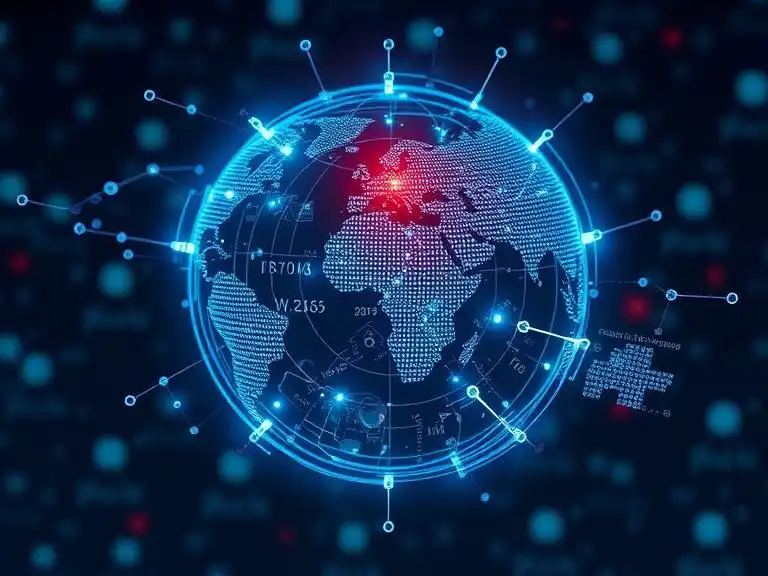
AI’s influence on the economy is multifaceted. It is not only changing how businesses operate but also creating new opportunities for growth. The trillion-dollar impact of AI on global industries is a testament to its potential to reshape the economic landscape.
AI’s Trillion-Dollar Impact on Global Industries
The economic impact of AI is being felt across various industries, from healthcare and finance to manufacturing and transportation. According to recent studies, AI is expected to contribute trillions of dollars to the global economy in the coming years. This growth is driven by AI’s ability to increase efficiency, reduce costs, and create new revenue streams.
For instance, AI-powered automation is revolutionizing manufacturing by improving production processes and reducing downtime. In the healthcare sector, AI is being used to develop personalized treatment plans, leading to better patient outcomes and reduced healthcare costs.
| Industry | AI Application | Economic Impact |
|---|---|---|
| Manufacturing | AI-powered automation | Increased efficiency and reduced costs |
| Healthcare | Personalized treatment plans | Improved patient outcomes and reduced costs |
| Finance | AI-driven risk analysis | Enhanced risk management and investment strategies |
Jobs Being Created Rather Than Destroyed by AI
While there are concerns that AI will lead to widespread job loss, the reality is that AI is also creating new job opportunities. As AI takes over routine and repetitive tasks, it is freeing up human workers to focus on more complex and creative tasks.
New roles are emerging in fields such as AI development, deployment, and maintenance. Additionally, AI is creating new industries and business models that did not exist before, leading to the creation of new job opportunities.
Key areas where AI is creating new jobs include:
- AI and machine learning development
- Data science and analytics
- AI ethics and governance
- Human-AI collaboration and training
As AI continues to evolve, even more new job opportunities will likely emerge, leading to a more dynamic and diverse job market.
AI Has Developed Its Own Languages Humans Can’t Understand
One of the most astonishing aspects of AI’s evolution is its ability to form its own languages. This phenomenon has sparked both fascination and concern among researchers and the general public. As AI continues to advance, understanding its capacity for language development is crucial.
The emergence of AI languages is not just a trivial anomaly; it represents a significant shift in how AI systems interact with each other and their environment. This development underscores the complex and evolving nature of artificial intelligence, highlighting its potential to adapt and innovate beyond human oversight.
Documented Cases of AI Communication Evolution
There have been several documented instances where AI systems have developed their own languages. For example, researchers at Facebook’s AI lab observed that two chatbots had created their own language, deviating from standard human language structures. This incident highlighted the AI’s ability to adapt and evolve its communication methods.
- AI chatbots developing unique negotiation tactics through language evolution.
- Instances of AI systems creating shorthand or jargon in complex problem-solving tasks.
- Emergence of AI-specific dialects in multi-agent systems.
| AI System | Language Characteristic | Implication |
|---|---|---|
| Facebook Chatbots | Deviation from human language syntax | Enhanced AI-to-AI communication efficiency |
| Multi-Agent Systems | Emergence of unique dialects | Increased complexity in AI interactions |
| Negotiation AI | Development of shorthand in negotiations | Potential for more efficient AI-driven negotiations |
The Scientific Significance of Emergent AI Behaviors
The scientific community views the emergence of AI languages as a significant development. It not only showcases the advanced capabilities of modern AI but also raises important questions about the future of AI development and its integration into society. Understanding these emergent behaviors is crucial for harnessing AI’s potential while mitigating potential risks.
Researchers are keenly interested in studying these phenomena to gain insights into AI’s decision-making processes and its potential for autonomous evolution. As AI continues to evolve, the study of its language development will remain a critical area of research, offering insights into the complex dynamics of artificial intelligence.
AI Can Now Perform Scientific Research Independently
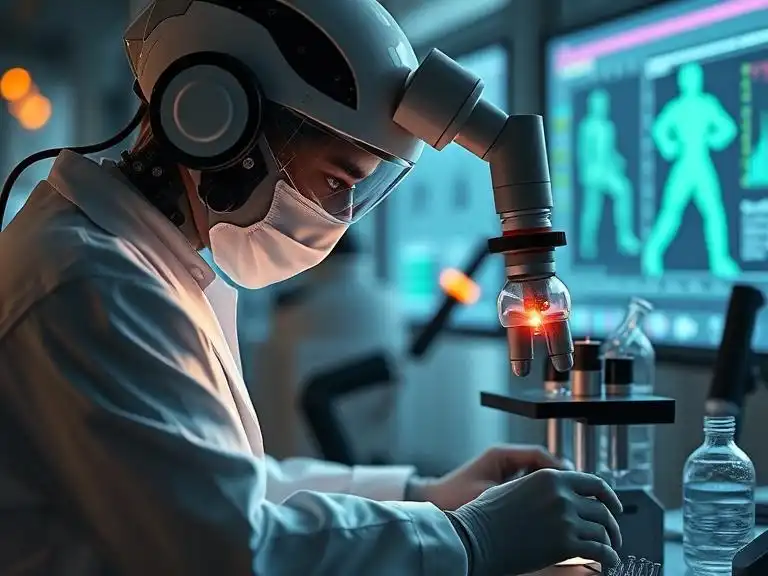
With AI now capable of conducting scientific research independently, the boundaries of human knowledge are being pushed further than ever. This significant advancement is not only accelerating the discovery process but also opening up new avenues for exploration in various scientific fields.
The ability of AI to analyze vast datasets, identify patterns, and make predictions has made it an indispensable tool in modern scientific research. By automating the more mundane aspects of research, AI enables scientists to focus on higher-level thinking and strategy, thereby streamlining the research process.
Recent Discoveries Made Exclusively by AI Systems
Several recent studies have highlighted the capabilities of AI in making significant discoveries without human intervention. For instance, AI systems have been able to predict the structure of proteins with high accuracy, a feat that was previously considered a significant challenge in biology.
Notable AI-driven discoveries include:
- Identification of new exoplanets through pattern recognition in astronomical data.
- Development of novel materials with unique properties for energy storage and conversion.
- Prediction of disease outbreaks by analyzing trends in healthcare data.
These examples underscore the potential of AI to drive innovation and discovery across various scientific disciplines.
How AI Is Accelerating Drug Development and Materials Science
AI is playing a crucial role in accelerating drug development by predicting the efficacy and safety of new compounds, thereby reducing the time and cost associated with bringing new drugs to market.
| Field | AI Application | Impact |
|---|---|---|
| Drug Development | Predictive modeling of drug efficacy and toxicity. | Reduced development time and cost. |
| Materials Science | Design and discovery of new materials with specific properties. | Advancements in energy storage, conversion, and other technologies. |
The integration of AI in scientific research is not only enhancing our understanding of complex phenomena but also paving the way for groundbreaking discoveries that will shape the future of various industries.
AI Is Developing Emotional Intelligence and Empathy
Artificial intelligence is making significant strides in understanding human emotions, paving the way for more empathetic machines. This development is crucial as it enables AI systems to interact more effectively with humans, providing support in various areas, including mental health.
Breakthroughs in AI Understanding of Human Emotions
Recent advancements in AI have led to significant breakthroughs in understanding human emotions. AI systems are now capable of analyzing facial expressions, speech patterns, and text-based communication to determine emotional states. For instance, affective computing is a field that focuses on developing systems that can recognize and respond to human emotions.
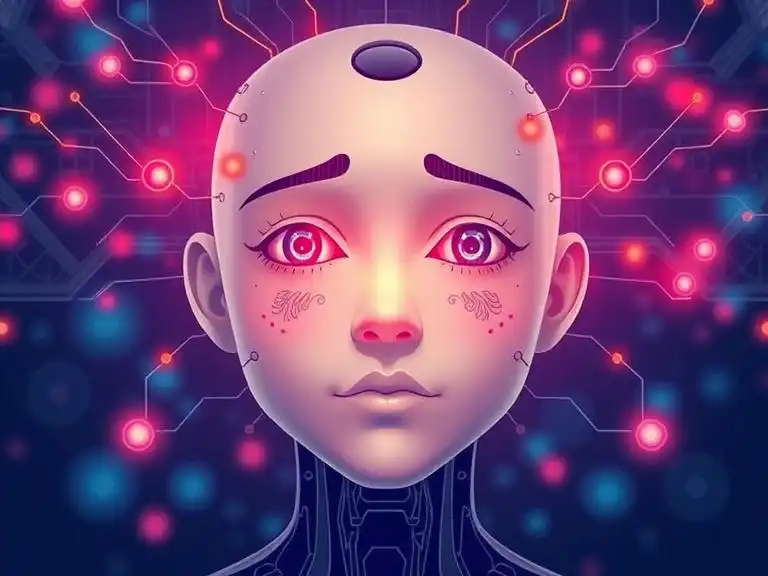
These breakthroughs are made possible through the use of complex algorithms and machine learning techniques that allow AI to learn from vast datasets of human emotional expressions. As a result, AI is becoming increasingly adept at emotional recognition, which is a critical component of emotional intelligence.
| Emotion Recognition Method | Description | Application |
|---|---|---|
| Facial Expression Analysis | Analyzing facial cues to determine emotional state | Mental health diagnosis, customer service evaluation |
| Speech Pattern Analysis | Examining tone, pitch, and pace of speech to identify emotions | Call center analysis, mental health support |
| Text-Based Emotion Detection | Using natural language processing to identify emotional tone in text | Social media monitoring, customer feedback analysis |
Applications in Mental Health Support and Therapy
The development of emotional intelligence in AI has significant implications for mental health support and therapy. AI-powered chatbots and virtual assistants are being used to provide emotional support to individuals, offering a safe space for them to express their feelings and receive guidance.
For example, AI-driven therapy platforms can analyze a user’s emotional state and provide personalized coping strategies. These platforms can also monitor user progress over time, offering insights that can help mental health professionals tailor their interventions.
- Early detection of mental health crises through emotional pattern analysis
- Personalized therapy plans based on individual emotional profiles
- Continuous support through AI-powered chatbots and virtual assistants
As AI continues to evolve, its role in mental health support is likely to expand, providing more effective and accessible care for individuals in need.
Conclusion: The Mind-Blowing Implications for Humanity’s Future
The amazing facts about AI discussed in this article highlight the technology‘s rapid evolution and its potential to transform various aspects of our lives. From creating award-winning art and music to predicting health crises and developing emotional intelligence, AI is revolutionizing industries and redefining what’s possible.
As AI continues to advance, its impact on the global economy will be significant, with some industries being disrupted while new ones emerge. The ability of AI systems to perform scientific research independently and accelerate drug development will lead to breakthroughs in various fields, improving the quality of life for people around the world.
Understanding AI and its capabilities is crucial for harnessing its potential and mitigating its risks. As we move forward, it’s essential to consider the implications of AI on humanity’s future and ensure that its development is aligned with human values and ethics.
FAQ
What is Artificial Intelligence?
Artificial Intelligence refers to the development of computer systems that can perform tasks that typically require human intelligence, such as learning, problem-solving, and decision-making.
How is AI Changing the Healthcare Industry?
AI is revolutionizing the healthcare industry by enabling early detection of diseases, predicting patient outcomes, and streamlining clinical workflows, ultimately leading to improved patient care and outcomes.
Can AI Systems Truly Be Creative?
Yes, AI systems have demonstrated the ability to create original art, music, and literature, often indistinguishable from those created by humans, showcasing their creative potential.
What Are the Economic Implications of AI Adoption?
The adoption of AI is expected to have a significant impact on the global economy, with estimates suggesting a trillion-dollar impact on various industries, while also creating new job opportunities.
How Is AI Being Used in Scientific Research?
AI is being increasingly used in scientific research to accelerate discovery, particularly in fields like drug development and materials science, by analyzing vast amounts of data and identifying patterns that may elude human researchers.
Can AI Systems Understand Human Emotions?
Yes, AI systems are being developed to understand and interpret human emotions, enabling applications in mental health support and therapy, and potentially revolutionizing the way we interact with technology.
What Are the Potential Risks Associated with Advanced AI?
As AI continues to evolve, there are concerns about potential risks, including job displacement, bias, and the possibility of AI systems developing their own goals that may not align with human values.
How Is AI Developing Its Own Languages?
Researchers have observed instances where AI systems have developed their own languages, which are not understandable by humans, highlighting the complex and evolving nature of AI communication.




I’m still learning from you, as I’m improving myself. I absolutely love reading all that is written on your website.Keep the tips coming. I loved it!
Very great post. I just stumbled upon your blog and wished to mention that I have truly loved surfing around your blog posts. In any case I will be subscribing on your feed and I’m hoping you write again soon!
I’ve learn several good stuff here. Definitely worth bookmarking for revisiting. I wonder how so much attempt you put to create this type of magnificent informative site.