
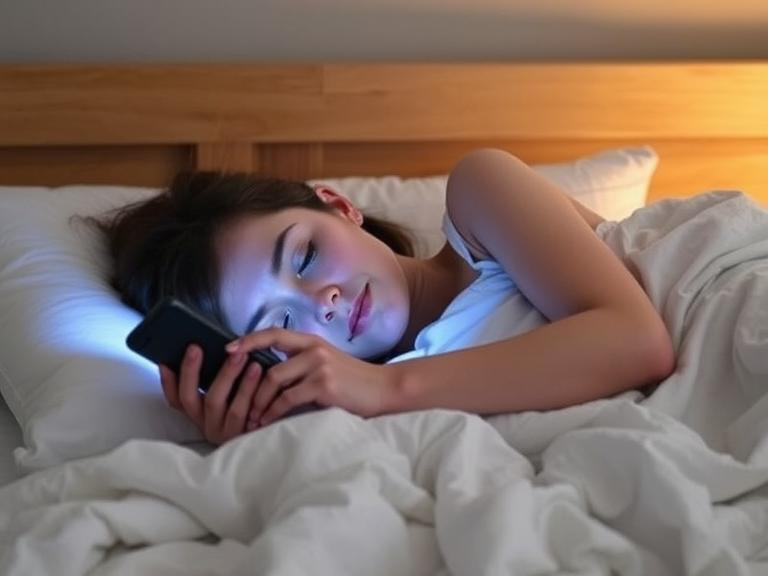
Your sleep health is crucial. With screens all around, from phones to TVs, technology influences our bedtime habits. The technology sleep impact is real: blue light from devices delays melatonin, the hormone that signals sleep. This article will dive into the 6 ways technology affects your sleep health and how to improve it.
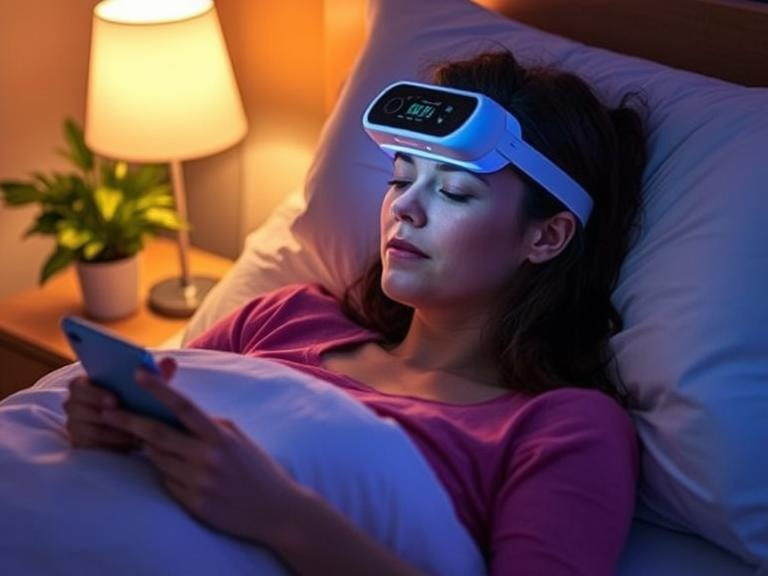
More than 35% of Americans don’t get enough sleep, and digital devices sleep quality issues are a big part of the problem. From scrolling to streaming, our bedtime habits often mess with our natural sleep cycles. This guide will explain the science behind these disruptions and offer practical steps to balance tech use and rest.
Table of Contents
Key Takeaways
- Blue light from screens can delay sleep by suppressing melatonin.
- The 6 ways technology affects your sleep health include both light exposure and mental stimulation.
- Many Americans experience poor sleep linked to nighttime device use.
- Actionable solutions exist to reduce technology sleep impact without quitting tech entirely.
- Small changes to bedtime routines can improve digital devices sleep quality significantly.
Understanding the Relationship Between Technology and Sleep
Modern devices can change your sleep patterns in ways you might not see. Let’s look at how technology affects your body’s natural rhythms and the science behind it.
The Science Behind Sleep Disruption
Blue light from screens delays melatonin, the sleep hormone. This circadian rhythm disruption makes your brain think it’s still daytime. Your body’s internal clock has trouble adjusting, causing broken sleep.
How Modern Devices Impact Sleep Cycles
Smartphones and tablets give off light that affects your sleep. Browsing social media or watching videos keeps your brain active even after you turn off the screen. Notifications, even if silenced, make you feel stressed and alert.
Statistics on Technology Use and Sleep Quality in America
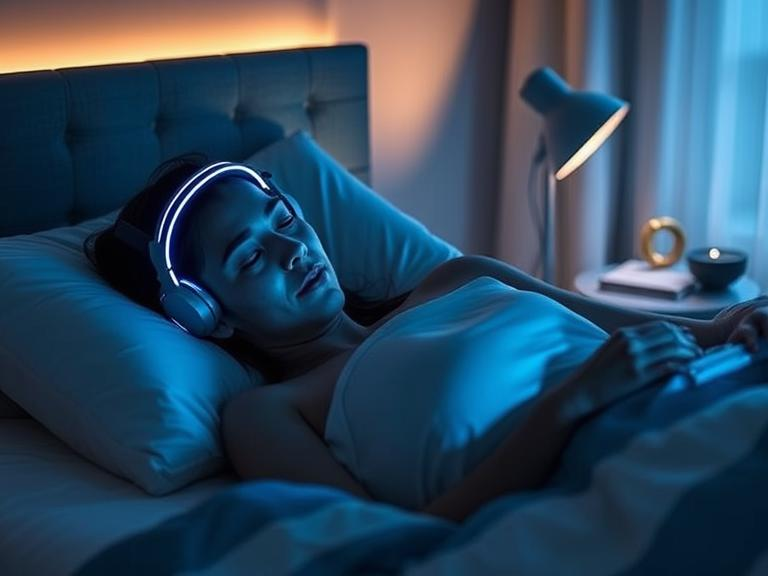
- 68% of Americans use phones in bed every night, a 2023 National Sleep Foundation study found.
- Heavy tech users have 23% more insomnia symptoms than those who limit screen time.
- 79% of teens keep devices in their bedrooms, leading to 1.5 hours less sleep each night.
These numbers show how 6 ways technology affects your sleep health are real and can be changed. Simple steps, like dimming screens at dusk, can help your body get back in sync.
6 Ways Technology Affects Your Sleep Health
Electronic devices can really mess with your sleep. Technology can change how you rest. Here are six main ways modern tech disrupts your sleep:
- Blue light from phones or tablets delays melatonin, the sleep hormone. Studies show screens can make bedtime 1–2 hours later, causing digital sleep disruption.
- Scrolling or gaming keeps your brain active, making it hard to relax. The brain’s alert state goes against natural wind-down routines.
- Social media can make you feel like you’re missing out, leading to late-night checks. A 2023 survey found 68% of users stay up because of social comparisons.
- Notifications and alerts can wake you up, even if you don’t fully wake up. This breaks up sleep cycles and lowers rest quality.
- Some research suggests electromagnetic fields (EMF) from devices might affect sleep by stressing the nervous system. But, evidence is still debated.
- Time spent on screens cuts into sleep hours. Binge-watching or gaming often makes bedtimes later, leading to exhaustion.
Starting to address these issues begins with being aware. Making small changes, like setting device curfews or using blue light filters, can help. Prioritizing sleep hygiene balances tech use without losing convenience.
The Digital Bedroom: Identifying Sleep-Disrupting Devices
Your bedroom is more than just a place to sleep. It’s also a spot for bedroom technology that can mess with your rest. Let’s look at the devices that might be ruining your sleep.
Smartphones and Social Media
Smartphones are big sleep thieves. They keep you awake with blue light and endless scrolling. A 2023 study showed 70% of adults check their phones before bed, making it hard to fall asleep.
Notifications can also make you feel stressed. This keeps your brain awake even after you close the app.
- Blue light disrupts circadian rhythms
- Social media’s endless scroll traps
- Notifications = mental “go” signals
Television and Streaming Services
That late-night TV show? Streaming services like Netflix and Hulu are made to keep you watching. The streaming services sleep impact includes light exposure and the urge to watch just one more episode.
The CDC says screen time after 9 PM can cut REM sleep by up to 25%. Scary movies or intense shows can also make you anxious, affecting your dreams.
Gaming Consoles and Sleep Patterns
PlayStation and Xbox consoles aren’t just for daytime fun. They can raise your heart rate and stress levels, making it hard to wind down after playing. Competitive games or multiplayer features can keep you hooked, delaying bedtime.
Gamers often find it 30% harder to fall asleep after playing for over 90 minutes.
E-Readers and Tablets
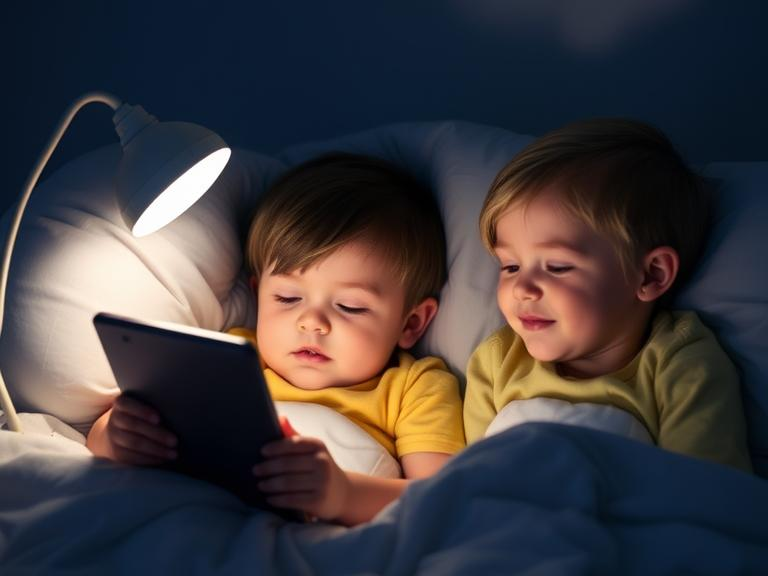
E-readers like Kindles are safer than backlit tablets. Devices like iPads or Surface tablets emit harmful light. Physical books are still the best choice for bedtime reading.
A Harvard study found tablet users took twice as long to fall asleep compared to e-ink readers.
“The bedroom is no longer a sanctuary—it’s a tech battleground,” says Dr. Jessica Payne, sleep neuroscientist. “Every device competes for your attention when you need to recharge.”
Creating a Tech-Friendly Sleep Routine
Making small changes to your bedtime routine can greatly improve digital wellness sleep. Start by setting tech boundaries bedtime that fit your lifestyle. Here’s how to create habits that fit modern life:
- Set a digital sunset: Turn off screens 60 minutes before bed. This step cuts down on blue light, which can mess with sleep. Use this time for relaxing activities like reading or stretching.
- Charge outside the bedroom: Keep devices in another room. This helps you avoid tech temptation. Use an old-fashioned alarm clock instead of your phone.
- Activate device settings: Turn on Night Shift or Dark Mode to lessen blue light. Set Do Not Disturb mode to block notifications during sleep. These settings help without deleting apps.
- Track and replace habits: Use free tools like Apple Screen Time or Google Digital Wellbeing to track usage. Swap scrolling for apps like Calm or yoga on YouTube’s “Relaxation” channel.
Compare old habits with these swaps:
| Old Routine | New Routine |
|---|---|
| Late-night social media | Journalling or puzzles |
| TV in the bedroom | White noise machine |
Building these changes slowly makes them stick. Start with the “digital sunset” before adding more. Small tech changes can lead to better sleep without giving up devices.
Conclusion: Balancing Technology Use for Better Sleep
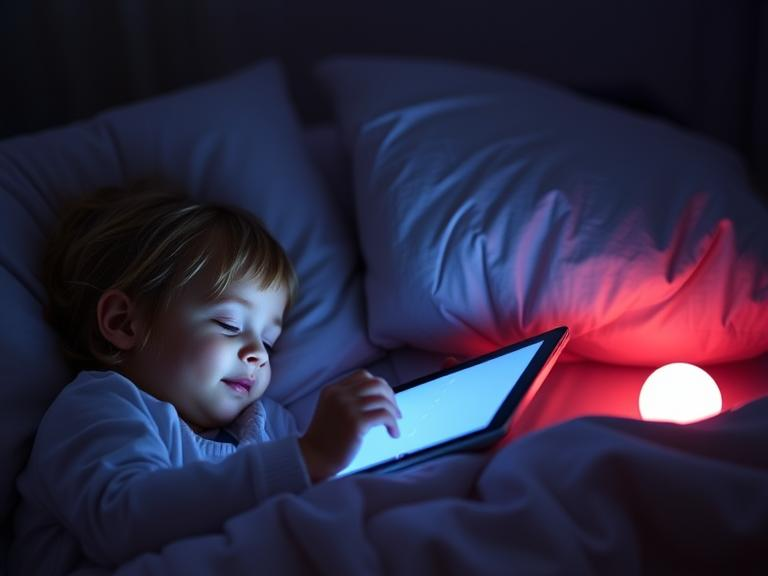
Managing tech and sleep needs careful choices. The 6 ways technology affects your sleep health show how screens and notifications can mess with sleep. But, setting timers or making tech-free zones can help find a balance.
Making small changes can help a lot. Turning off blue light after dark or cutting down on streaming before bed helps. Using apps to track sleep habits is also key. It’s about using tech wisely, not cutting it out completely.
Begin with a simple change, like no phones in bed, and see the difference. These steps build good sleep habits in our tech-filled lives. Remember, your sleep is important, even in a world full of devices.
FAQ
How does blue light from screens affect my sleep?
Blue light from screens can stop your body from making melatonin. This hormone helps you sleep. Not having enough melatonin makes it hard to fall asleep and can lower your sleep quality.
What are some devices that negatively impact sleep health?
Devices like smartphones, TVs, gaming consoles, and e-readers can hurt your sleep. They distract you or keep your brain active when it should be relaxing.
How can I reduce technology’s negative impact on my sleep?
Start by setting a “digital sunset” and using devices’ night modes. Also, charge your devices outside your bedroom. Try relaxing activities before bed that don’t involve screens.
Is it possible to improve sleep quality while still using technology?
Yes, you can still use technology and sleep well. Set limits on device use, cut down on blue light, and use features that reduce distractions. This way, you can enjoy tech without sacrificing sleep.
What role does social media play in sleep disruption?
Social media can mess with your sleep. It can make you feel bad about yourself and worry about missing out. Using it before bed can keep your brain active and make it hard to sleep.
How much screen time before bed is considered too much?
Experts say to avoid screens for at least an hour before bed. This lets your body start making melatonin again. It helps you sleep better without blue light’s interference.
Are there apps that can help me sleep better?
Yes, there are apps that can help you sleep. They include apps that track your sleep, play calming music, and offer guided meditation. These can help you relax at night.


Hello! I could have sworn I’ve been to this blog before but after browsing through some of the post I realized it’s new to me. Anyways, I’m definitely happy I found it and I’ll be book-marking and checking back frequently!
That’s such a lovely message—thank you! 😊 It’s always a great feeling when you stumble upon something fresh that still feels familiar. I’m really glad the content caught your attention and that you’re planning to come back for more.
If there’s a particular topic you’d love to see covered, or if you ever want to dive deeper into something you’ve read, I’m here to help make your next visit even more rewarding.
What’s Happening i’m new to this, I stumbled upon this I have found It absolutely helpful and it has aided me out loads. I hope to contribute & help other users like its aided me. Good job.
Welcome! We’re so glad you stumbled upon us and found the post helpful. It’s great to have you here, and we’re thrilled you’re already thinking about helping others. Thanks for the kind words!
You are my inspiration , I own few blogs and occasionally run out from to brand.
Thank you so much for your kind words — that truly means a lot! 😊
I adore gathering utile information , this post has got me even more info! .
Absolutely pent content material, Really enjoyed reading.